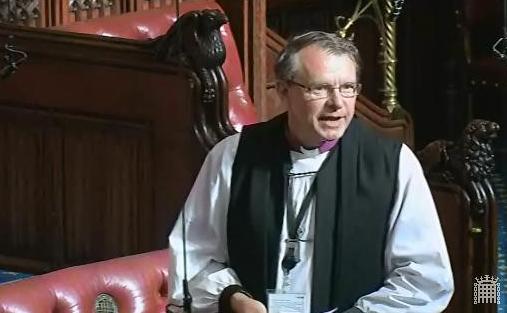
Bishop of St Albans leads debate on civil society, the common good and the Bishops’ General Election pastoral letter

“I am convinced that there is urgent work to be done to establish a new politics that seeks the common good. Indeed, I am keen that we will be able to explore the forms that such an approach to politics might take and the role that churches, charities and voluntary organisations, and indeed all intermediate institutions, can play in moving us in that direction.” – Bishop of St Albans, 11/6/15

On the 11th June 2015 the Bishop of St Albans, Rt Revd Alan Smith, led a House of Lords debate on the pastoral letter of the House of Bishops for the General Election of 2015. The debate was titled:

‘That this House takes note of the role played by civil society, in the light of the pastoral letter from the Church of England’s House of Bishops, Who is my neighbour?’

The Bishop’s speech is below in full, along with his closing remarks and links to the speeches of the other 16 participants.The speech and subsequent debate can also be watched here.
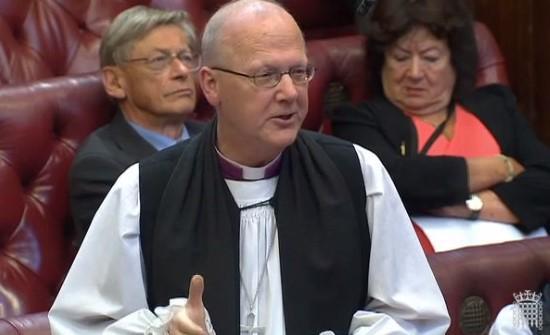
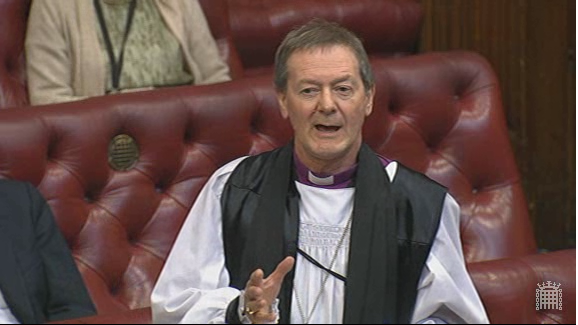
Bishop St Albans June 2015The Lord Bishop of St Albans: My Lords, there is much in our nation for which we can be profoundly grateful. Next week, as we mark 800 years since the sealing of Magna Carta, we give thanks for the long, yet sometimes tortuous, path that has led us to becoming a modern democracy. That moment was if not the birth then perhaps at least the conception of civil society at the beginning of a long gestation.

Last month, we celebrated 70 years of peace since the end of the Second World War, by which time civil society as we know it today was coming of age. As a nation, we have experienced extraordinary levels of economic growth over recent decades. Life expectancy has increased significantly and, importantly for this debate, in many communities in our nations, civil society is still strong and thriving. I for one am immensely grateful to be living in modern Britain and do not want to give any time to sentimental talk about a bygone era that probably never existed. Continue reading “Bishop of St Albans leads debate on civil society, the common good and the Bishops’ General Election pastoral letter”
Bishop of St Albans asks Government about religious freedom in Saudi Arabia and case of Raif Badawi

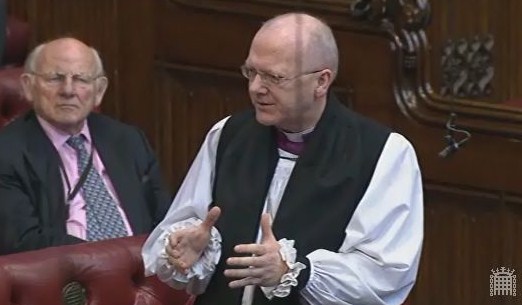
On the 11th June 2015 Lord Avebury asked Her Majesty’s Government “what representations they have made to the government of Saudi Arabia about the confirmation of a sentence of 1,000 lashes and 10 years in prison against Raif Badawi.” The Bishop of St Albans , Rt Revd Alan Smith, asked a supplementary question:

Bishop of St AlbansThe Lord Bishop of St Albans: My Lords, your Lordships’ House will not be unaware of the discrepancy between the attitude to human rights displayed in Saudi Arabia’s public condemnation of the Charlie Hebdo atrocities and this case, where somebody is being punished on the basis of religion. Does the Minister agree that there is a considerable dissonance between the public image that Saudi Arabia is seeking to present and the country’s internal affairs?

Baroness Anelay of St Johns: My Lords, I think we have to recognise that the actions of the Saudi Government in these respects have the support of the vast majority of the Saudi population. Against that background, we maintain our view that freedom of religion and belief and freedom of expression are core rights that lead to long-term stability and good governance.

(via Parliament.uk)

Rules on bats in churches – Second Estates Commissioner asks DEFRA

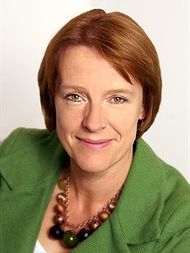
On 10th June 2015 the Second Church Estates Commissioner, Rt Hon Caroline Spelman MP, received a written answer to a question she had asked of DEFRA on bats in churches. 

Caroline SpelmanAsked by Mrs Caroline Spelman (Meriden) on: 04 June 2015

Department for Environment, Food and Rural Affairs

Bats: Churches

To ask the Secretary of State for Environment, Food and Rural Affairs, what information her Department holds on the application and interpretation of provisions in the Habitats Directive on bats inhabiting church premises in other EU member states. Continue reading “Rules on bats in churches – Second Estates Commissioner asks DEFRA”

Right to buy and rural housing – Bishop of Rochester question to Government

On 9th June 2015 Baroness Gardner of Parkes asked the Government “what plans they have to consult Housing Associations, local authorities and the general public before finalising the proposal to extend the right to buy to Housing Association properties”. The Bishop of Rochester, Rt Revd James Langstaff, asked a supplementary question:

Bishop of RochesterThe Lord Bishop of Rochester: My Lords, I am grateful to the Minister for confirming that intention to consult the sector. Is she able to offer any indication of how Her Majesty’s Government propose to implement this right to buy in relation to housing-association properties in small and rural communities, where such housing is often built on rural exception sites defined in the National Planning Policy Framework as intended,

“for affordable housing in perpetuity”?

Baroness Williams of Trafford: The right reverend Prelate is absolutely correct when he says that rural communities are different. The development of that particular policy is ongoing, and details will be set out in due course.

(via Parliament.uk)

Written answers: Female and LGBT clergy numbers in the CofE

On 8th June 2015 the Second Church Estates Commissioner, Rt Hon Caroline Spelman MP, replied to two written parliamentary questions, on women and LGBT clergy.

Asked by Mr Virendra Sharma (Ealing, Southall) on: 02 June 2015

Clergy: Females

To ask the right hon. Member for Meriden, representing the Church Commissioners, how many members of the clergy in each of the last 10 years have been women.

Caroline SpelmanAnswered by: Mrs Caroline Spelman on: 08 June 2015

The most recent statistics available on the number of women in ordained ministry in the Church of England can be found in the table below. Continue reading “Written answers: Female and LGBT clergy numbers in the CofE”

Bishop of Derby on the Cities and Local Government Devolution Bill

On the 8th June 2015 Peers debated the Government’s Cities and Local Government Devolution Bill at its Second Reading. The Bishop of Derby, Rt Revd Alastair Redfern, spoke in the debate. He raised the potential for inequality arising from urban areas being prioritised over rural ones, the changing role of London and the reality of people’s growing involvement in local politics. The text of his speech is below:

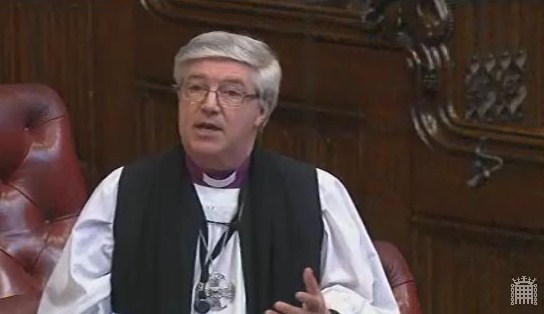
DerbyThe Lord Bishop of Derby: My Lords, I, too, thank the Minister for her very clear introduction to the Bill and for showing us how it can be a creative, flexible way into the future. It ticks many of the boxes that we are concerned about today: localism, devolution, inclusivity, electoral accountability and enabling growth. I will make three very short points and ask three questions of the Minister. Continue reading “Bishop of Derby on the Cities and Local Government Devolution Bill”

Church of England Week in Westminster 28th May – 5th June 2015

Welcome to the Church of England’s weekly round-up of activity in Parliament.

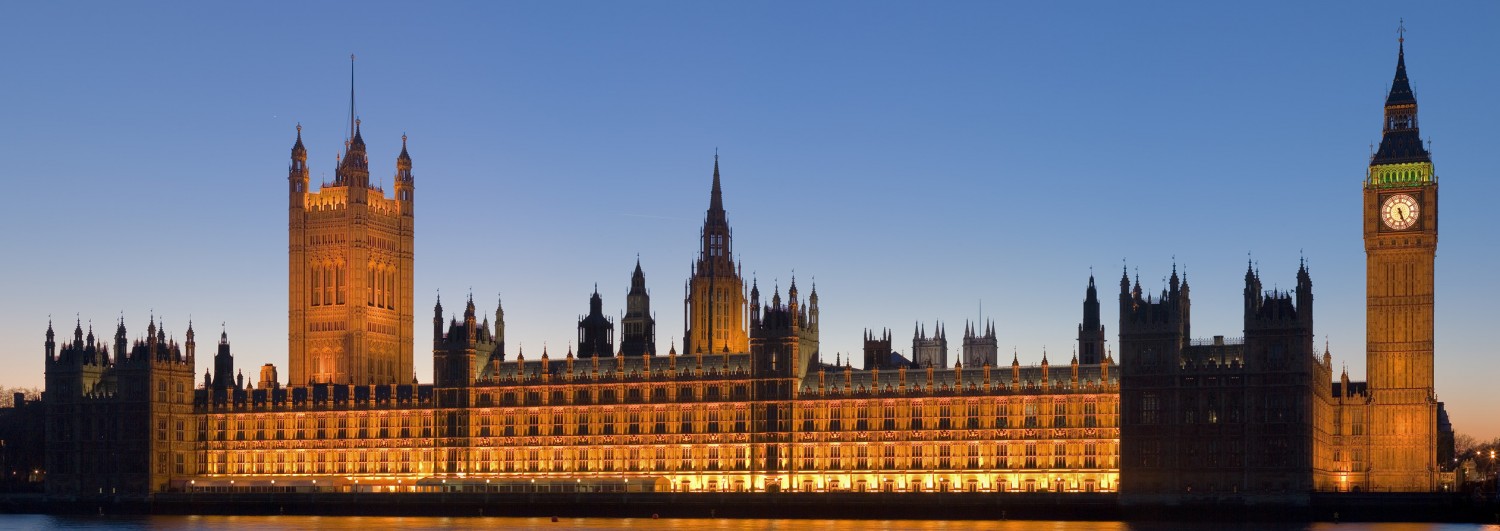
cropped-palace_of_westminster_london_-_feb_2007.jpgThe State Opening of Parliament and the Queen’s Speech announcing the Government’s legislative proposals for the coming year took place on May 27th. The House of Lords debated the contents of the Gracious Speech over successive days, with several bishops taking part. Their speeches focused on international development, foreign affairs, children and families, education, the environment, housing, constitutional affairs and welfare reform. There were also two maiden speeches – from the Bishops of Leeds and Salisbury. Oral questions were also asked on apprenticeships and humanitarian aid.

In the House of Commons the newly appointed Second Church Estates Commissioner, Rt Hon Caroline Spelman MP, answered her first written question, on the impact of bats in churches.

Continue reading “Church of England Week in Westminster 28th May – 5th June 2015”

Bishop of Rochester call for improvements to housing

On 3rd June 2015, during the debate on the Queen’s Speech, the Bishop of Norwich, the Rt Revd James Langstaff, spoke on improvements needed to the housing market and the far-reaching impacts that these would have. The text of his speech is below and can be watched online here:

Bishop of Rochester

The Lord Bishop of Rochester: My Lords, I welcome the opportunity to speak in this debate on the gracious Speech. I am delighted to follow the noble Earl because he has paved the way for me in reminding us of some of the contributions which were made in yesterday’s debate on matters to do with housing and the proposed housing Bill. He has illustrated the points rather more graphically and personally than I might be able to do. I make that connection between yesterday and today because I think it is very clear that issues to do with housing have a real relevance to the matters which are our main focus in today’s debate in your Lordships’ House. For example, research over decades has underlined the point which has just been so graphically made—that there is a clear connection between the quality and conditions of housing on the one hand, and people’s mental and physical health and well-being on the other. There can be very little debate about that; I do not need to labour the point. Continue reading “Bishop of Rochester call for improvements to housing”

Bishop of Norwich draws attention to social impacts of education and media

On 3rd June 2015, during the debate on the Queen’s Speech, the Bishop of Norwich, the Rt Revd Graham James, spoke on the social and cultural aspects of education, as well as those of broadcast media. The text of his speech is below and can be watched online here:

14.06.12 Bishop of Norwich

The Lord Bishop of Norwich: My Lords, the gracious Speech said that the Government intend,

“to improve schools … and create more academies”.

I declare an interest as one of the sponsors of the first academy in Norfolk, the Open Academy, set up under the last Labour Government. It is now part of a thriving diocesan academies trust committed to school improvement. So I support the Government’s overall aim to improve schools, but there are areas where the direction of travel needs a few extra signposts. Continue reading “Bishop of Norwich draws attention to social impacts of education and media”

Bishop of Durham speaks on reducing child poverty and improving childcare

On 3rd June 2015, during the debate on the Queen’s Speech, the Bishop of Durham, the Rt Revd Paul Butler, spoke on the need to provide good quality childcare, alleviate child poverty, and fully address the complex needs of families, in order to enable equality of opportunity at the start of life. The text of his speech is below and can be watched here:

14.06.10 Bishop of Durham 5The Lord Bishop of Durham: My Lords, the stated intention of the Education and Adoption Bill is to,

“give all children the best possible start in life”.

Of course we all want this, so we must scrutinise carefully whether the proposals on adoption will produce it for children for whom adoption is the best route. Given that some of the most successful adoption agencies are small, localised ones, care will need to be taken in any move to regional agencies—which certainly has its strengths—so that the smaller agencies’ special skills and experience are not lost, particularly as they are often the most effective at placing and maintaining adoptions of the most hard-to-place children. Durham Family Welfare in my own area is a fine example. Continue reading “Bishop of Durham speaks on reducing child poverty and improving childcare”