
 On the 29th January 2019, Rt Revd Stephen Conway, Bishop of Ely responded to a Government Statement on teacher recruitment.
The Lord Bishop of Ely: My Lords, I am grateful to the Minister for his Statement and for this way forward. First, he knows that the Church of England runs many small rural schools, and recruitment and retention is always a creative challenge. Have the Government considered how the strategy is to be rural-proofed for full application across the country?
Continue reading “Bishop of Ely asks Government about teacher recruitment in rural areas”
 The Lord Bishop of Worcester: My Lords, one does not need to be an avid follower of the news to realise the huge impact that religion has for good and for ill geopolitically in our world. That is happening at the
 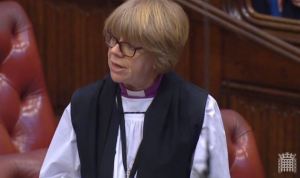 On 17th January 2019 the Earl of Clancarty asked the Government “what steps they are taking to encourage the teaching of art and design in schools”. The Bishop of London, Rt Revd Sarah Mullally, asked a follow-up question:
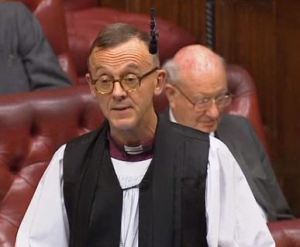 On 29th November 2018 Baroness Morris of Yardley led a debate in the Lords on the motion “That this House takes note of the impact on schools of Her Majesty’s Government’s approach to school funding.” The Bishop of Worcester, Rt Revd John Inge, spoke in the debate:
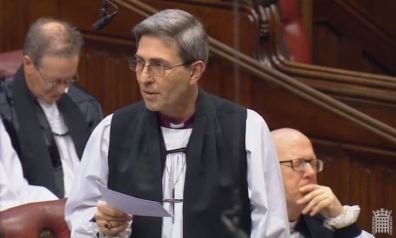 On the 19th November 2018, Lord Stevenson of Balmacara tabled an Oral Question ‘To ask Her Majesty’s Government when the review of the Teaching Excellence Framework is due to report and whether this review will include recommendations for judgements to be made on the change in the percentage of first class and upper second class degrees awarded by higher education institutions’. The Bishop of Winchester, the Rt Revd Tim Dakin, asked a supplementary question:
 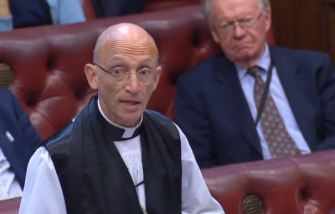 The Lord Bishop of Chichester: My Lords, I am grateful to the noble Lord, Lord Black, for his magnificent introduction to this debate, and for the opportunity for us to remind ourselves of the vital importance of music and the arts generally to the creative industries and the life of our nation.
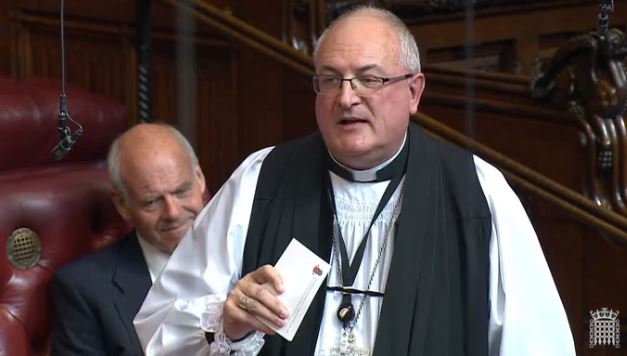
 On 18th July 2018 Baroness Garden of Frognal asked Her Majesty’s Government “what plans they have to increase knowledge of work skills, careers and jobs amongst primary school children.” The Bishop of Southwark, Rt Revd Christopher Chessun, asked a follow-up question:
 The Church of England in Parliament
You must be logged in to post a comment.