
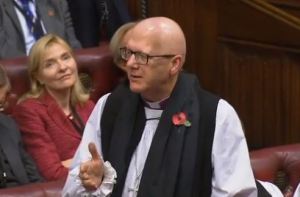
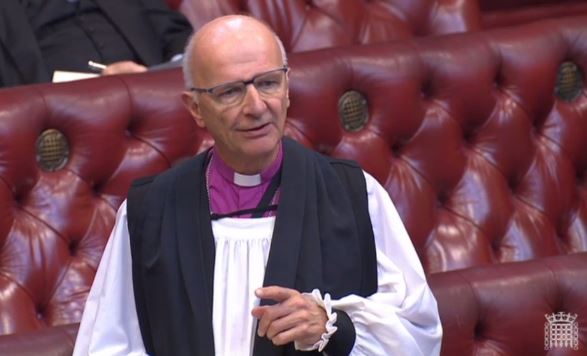
 On 28th November 2017 Baroness Wheeler asked Her Majesty’s Government “what actions they are taking to address the concerns raised by the Care Quality Commission in its review published in October about the particular difficulties faced by children and young people in vulnerable circumstances, such as looked-after children and those with learning disabilities, in accessing mental health care.” The Bishop of Worcester, Rt Revd John Inge, asked a follow up question:
The Lord Bishop of Worcester: Does the Minister agree that there remains, despite lots of good work, a terrible stigma attached to mental health problems? Will he assure us that the Government are committed to tackling it, as we seek to do in the Church, while also improving provision for identification and treatment? Continue reading “Bishop of Worcester asks Government to improve mental health treatment and tackle stigma”
 The Lord Bishop of Durham: To ask Her Majesty’s Government what is their assessment of the impact of changes to NHS charging regulations on refused asylum seekers and other vulnerable groups, including (1) victims of trafficking, (2) homeless people, and (3) those living with mental health conditions.
  The Lord Bishop of St Albans: My Lords, there are many valuable statistics in the report, but also some quite worrying ones. Apparently 35% of the people interviewed thought that if they had had depression they would be far less likely to get any sort of promotion, while half of those interviewed said that they would not be willing to discuss mental health issues with their line manager. First, in the light of that, is there not a pressing need for a new public mental health awareness campaign? Secondly, will the Minister look into the contribution that workplace chaplaincy can make to addressing this problem?
  The Archbishop of Canterbury: I declare an interest as having members of the family who have used child and adolescent mental health services. Does the Minister not agree that the fundamental principle of the NHS is free treatment at the point of need? Does he also agree that one of the major failures in CAMHS—it has been well evidenced by academic studies over the last two years—has been that, because of the shortage of resources, only those with the most critical needs are treated at all, and the early intervention which would help prevent needs becoming critical has been deeply neglected owing to an absence or lack of specialised therapies, particularly talking therapies? Will he confirm that the work on the most critical side is going to be extended so that children and adolescents can get care earlier and more effectively, saving the state money and fulfilling the purposes of the NHS?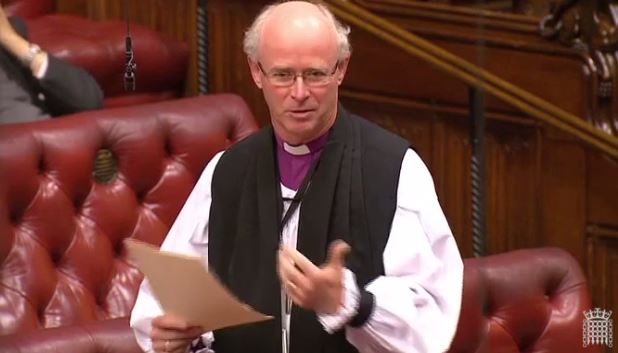


 The Church of England in Parliament
You must be logged in to post a comment.