Bishop of Oxford speaks in a debate on the Schools Bill

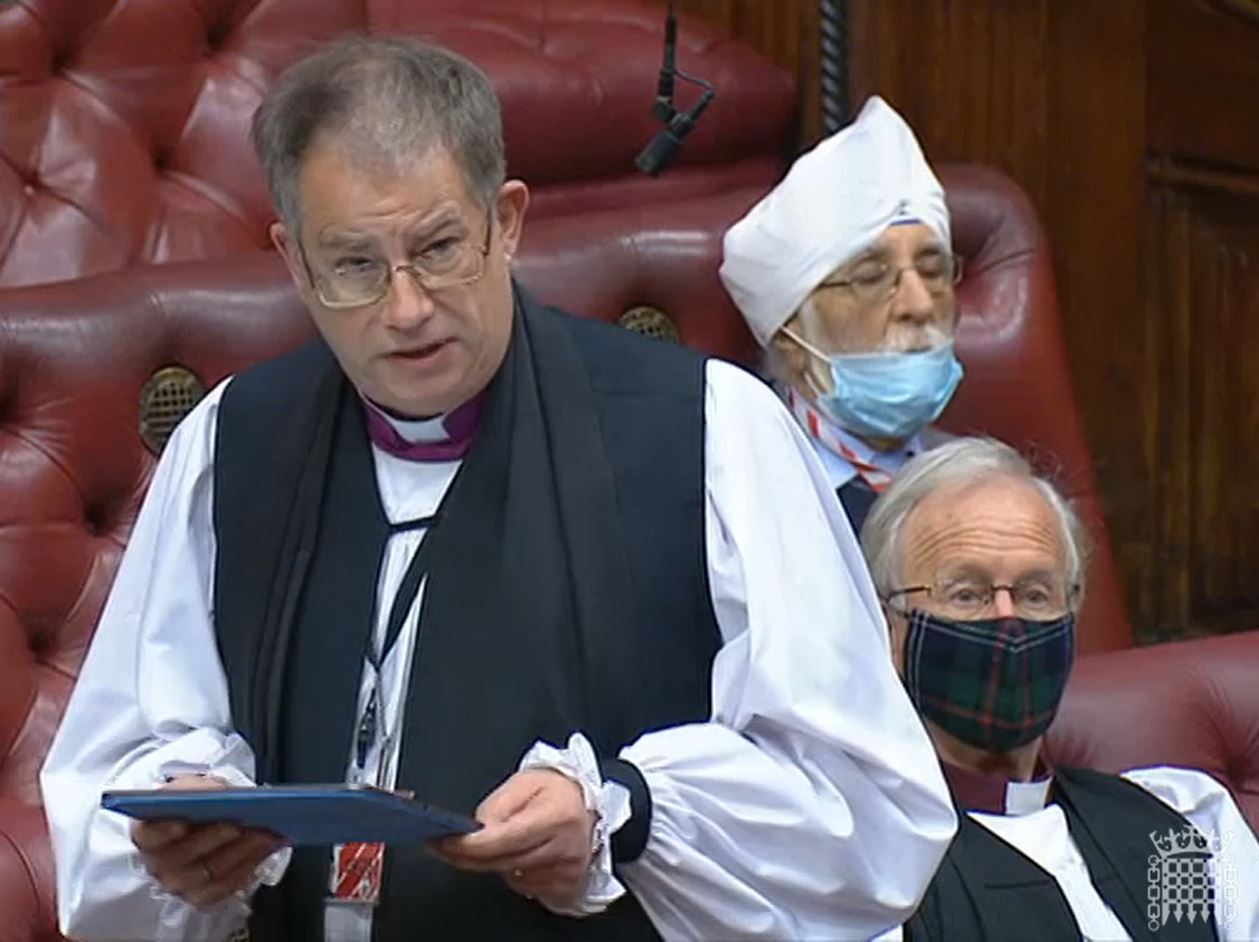
On 23rd May 2022, the House of Lords debated the Schools Bill (2022) in its second reading. The Bishop of Oxford spoke in the debate in regards to faith schools and rural schools. The Bill was read through and committed to a committee of the whole house:

The Lord Bishop of Oxford: My Lords, there is much to welcome in the new Bill, as my colleague the right reverend Prelate the Bishop of Durham and other noble Lords have indicated. In particular, it is good to know the Government’s direction of travel on academisation and the continued emphasis on raising standards. I support the comments made by other noble Lords on the need properly to resource our schools, particularly in the aftermath of the pandemic, to safeguard the morale of heads, governors and teachers and to pay much greater attention to mental health provision.

It is vital as well to continue to build on secure partnerships across the statutory, voluntary, church and faiths sector. The education of our children has never been the sole responsibility of central government—it is the responsibility of all. These vital partnerships have flourished for many decades to the mutual benefit of all and the common good. It is very good to note the Government’s intention to safeguard those partnerships into the future through the Bill and the process of academisation which will follow. One of the tests of the Bill will be the strengthening of social capital and intermediate institutions.

Continue reading “Bishop of Oxford speaks in a debate on the Schools Bill”

Queen’s Speech: Bishop of Oxford speaks about levelling up and the environment

On 11th May 2022, the House of Lords debated the Queen’s Speech. The Bishop of Oxford spoke in the debate:

The Lord Bishop of Oxford: My Lords, it is a privilege to share in this debate, and I thank the Minister for her careful and thoughtful introduction. I particularly look forward to the maiden speech of my colleague, the right reverend Prelate the Bishop of Guildford. I have heard him speak before, and it is always a profitable experience.

I congratulate the Government warmly on the priority given to the levelling-up agenda and the ambition of 11 of the 12 missions outlined in the White Paper. I know from my seven years as Bishop of Sheffield that the gap between different parts of the country has been widening for many years, and it is very good that this is being addressed.

Continue reading “Queen’s Speech: Bishop of Oxford speaks about levelling up and the environment”

Bishop of Oxford asks about use of surveillance technology in the workplace

The Bishop of Oxford asked a question on surveillance technology on 6th April 2022, during a debate on the introduction of a future Employment Bill:

The Lord Bishop of Oxford: My Lords, technology has intruded further into the world of work over the last five years. Many developments are helpful, but some are not. Almost 60% of workers now report some form of technological surveillance at work, often through so-called bossware, often introduced without consultation with unions and workers. How will the employment Bill eventually keep pace with this development, and will it introduce a statutory requirement on employers to consult and disclose the use of algorithmic and AI surveillance on employees, and protect workers from excessive surveillance by technology?

Continue reading “Bishop of Oxford asks about use of surveillance technology in the workplace”

Bishop of Oxford asks about facial recognition technology (FRT)

On 4th April 2022, the Bishop of Oxford asked a question during a debate on facial recognition technology and policing:

The Lord Bishop of Oxford: My Lords, I declare an interest as a former board member of the Centre for Data Ethics and Innovation. I wonder if the Minister would comment on the vital importance of establishing public trust and confidence in the deployment of FRT and indeed any new technology, especially in such a sensitive area as policing. A range of concerns have been raised about rapid deployment, governance and bias by the CDEI, the European Union and the makers of popular documentaries. Yet, in the face of this, the Met and South Wales Police have both announced a ramping up of the use of FRT. Does the Minister agree that it is time to slow this down and for urgent parliamentary scrutiny and better governance of the police’s use of facial recognition technology?

Continue reading “Bishop of Oxford asks about facial recognition technology (FRT)”

Votes: Health and Care Bill

On 16th March 2022, the House of Lords debated the Health and Care Bill in its report stage. Votes were held on several amendments to the bill, in which Bishops took part.

Continue reading “Votes: Health and Care Bill”

Bishop of Oxford on freedom of speech and online safety

“search engines free of advertising, social networking freed from the blind pursuit of profit, messaging services which do not mine our data—and all protecting the rights of the child? Perhaps the Government might be willing to explore this kind of radical intervention—social media in public service—in this vital area”

On 10th December 2021 the Bishop of Oxford spoke in a House of Lords debate led by the Archbishop of Canterbury on contemporary challenges to freedom of speech and the role of the public, private and third sectors in upholding it:

The Lord Bishop of Oxford: My Lords, it is a great privilege and honour, as always, to follow the noble and right reverend Lord, Lord Harries, one of my distinguished predecessors. I am grateful for this timely debate and to the most reverend Primate for his very comprehensive introduction. In a few days’ time, as we have heard, the scrutiny committee of both Houses will publish its report on the online safety legislation: a potentially vital web of provisions to prevent harm to individuals and, I hope, to society.

Continue reading “Bishop of Oxford on freedom of speech and online safety”

Bishop of Oxford supports Age Assurance (Minimum Standards) Bill

On 19th November 2021, the House of Lords debated the Age Assurance (Minimum Standards) Bill in its second reading. The Bill, tabled by Baroness Kidron, would require Ofcom to produce a code of conduct setting out minimum standards for any system of age assurance, with the aim of protecting children from exploitation and harmful online content. The Bishop of Oxford spoke in support of the bill:

The Lord Bishop of Oxford: My Lords, it is a real pleasure to follow the noble Lord, Lord Russell, and indeed every other noble Lord who has spoken in this debate. It has been extraordinary and very moving. I join other noble Lords in congratulating the noble Baroness, Lady Kidron, on securing this Second Reading and on her passionate and brilliant opening speech. With others, I thank and commend her for her tireless commitment to protecting children online. That she does so with such consistent grace and good humour, against the backdrop of glacially slow progress and revelations about both the variety and scale of harms to children, is no small achievement in itself.

Continue reading “Bishop of Oxford supports Age Assurance (Minimum Standards) Bill”

Bishop of Oxford speaks on community care and gaps in the social care sector

The Bishop of Oxford spoke in a debate on social care on 14th October 2021, raising issues of the need for community care and the risks posed by high vacancies in the care sector:

The Lord Bishop of Oxford: My Lords, it is an honour to contribute to this key debate. Like others, I am grateful to the noble Baroness, Lady Pitkeathley, for her excellent introduction. I welcome the Minister to his new responsibilities. It is a privilege to follow the noble Baroness, Lady Finlay.

One of the key texts on which so much of our human civilisation is based contains these lines:

“Honour your father and mother, so that your days may be long in the land that the Lord your God is giving you.”

The care offered by one generation to another is fundamental to human flourishing and a good society. As we have heard, that care is offered in families generously and unstintingly, but it needs to be supported by the wider community, through creative partnerships with the third sector, and by the state. These principles have led to our current system of social care, which now stands in urgent need of fresh vision and reform.

Continue reading “Bishop of Oxford speaks on community care and gaps in the social care sector”

Votes: Skills and Post-16 Education Bill

On 12th October 2021, the House of Lords debated the Skills and Post-16 Education Bill in the report stage. Votes were held on amendments to the bill, in which a Bishop took part:

Continue reading “Votes: Skills and Post-16 Education Bill”

Skills and Post-16 Education Bill: Bishop of Oxford speaks to Bishop of Durham’s amendments on improving SEND provision in higher education

On 12th October 2021, the House of Lords debated the Skills and Post-16 Education Bill in the first day of the report stage. On behalf of the Bishop of Durham, the Bishop of Oxford spoke to three amendments to the bill aimed at improving provision of higher and further education to people with special educational needs and disabilities:

The Lord Bishop of Oxford: My Lords, I shall speak to Amendments 13, 16 and 19, tabled by the right reverend Prelate the Bishop of Durham, who is unable to be present because of his other engagements. Along with others, I welcome the Minister to her new role and join others in offering appreciation to her predecessor, the noble Baroness, Lady Berridge. I should also say, as a member of your Lordships’ Select Committee on the Environment and Climate Change, how much I welcome government Amendment 6, and I add my support to Amendment 64.

The context of my remarks is a general welcome for the Bill and recognition of its role in helping to meet the Government’s ambition on FE and skills. However, there is almost no specific reference to SEND provision in the Bill, despite the significant role that FE plays in provision for students with additional needs or disabilities. Noble Lords will know that around 202,000 students have special educational needs in further education, of whom 90% attend general FE colleges and make up almost one in six of all enrolments. Within those, almost a quarter of students are aged 16 to 18. In contrast to the school sector, there is a small number of specialist institutions. That situation makes a profound difference to the scale and range of support needed in general FE and sixth-form colleges.

Continue reading “Skills and Post-16 Education Bill: Bishop of Oxford speaks to Bishop of Durham’s amendments on improving SEND provision in higher education”