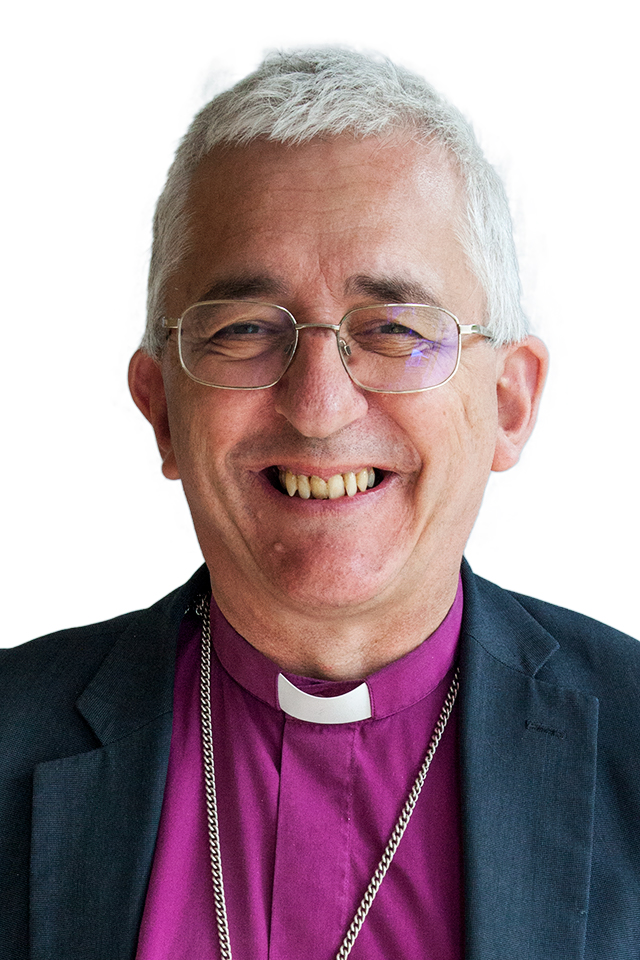
Bishop of Lichfield asks about faith literacy in public institutions

The Bishop of Lichfield received the following written answer on 24th May 2024:

The Lord Bishop of Lichfield asked His Majesty’s Government what steps they are taking to improve the faith literacy of those on the public payroll, including (1) civil servants, (2) the police, (3) NHS staff, and (4) HM Prison and Probation Service staff.

Continue reading “Bishop of Lichfield asks about faith literacy in public institutions”

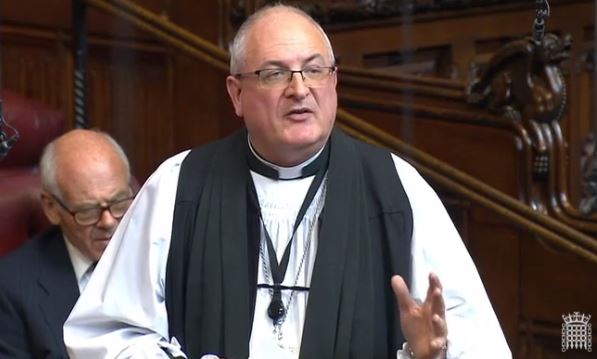
Media Bill: Bishop of Leeds supports amendments on standards and terms of reference for public service broadcasters

On 8th May 2024, the House of Lords debated the Media Bill in committee. The Bishop of Leeds spoke in support of a group of amendments on standards requirements for public service broadcasters, stressing the need for detailed terms of reference in public service broadcasting:

The Lord Bishop of Leeds: My Lords, I support the first four amendments in this group—Amendments 1 to 3 and 7—and will not repeat what has been said so far in the excellent two speeches. However, I support them for a different reason: I think that they lay the ground for later amendments, particularly Amendments 9, 13 and 32. I will make a serious point about those amendments now, partly because I may have to be on a train when the Committee gets to them.

If we take seriously the Reithian principles to inform, educate and entertain, it means doing what the inscription from George Orwell outside the BBC spells out: that people are enabled to be confronted by, or to hear and see things, that

“they do not want to hear”.

Continue reading “Media Bill: Bishop of Leeds supports amendments on standards and terms of reference for public service broadcasters”

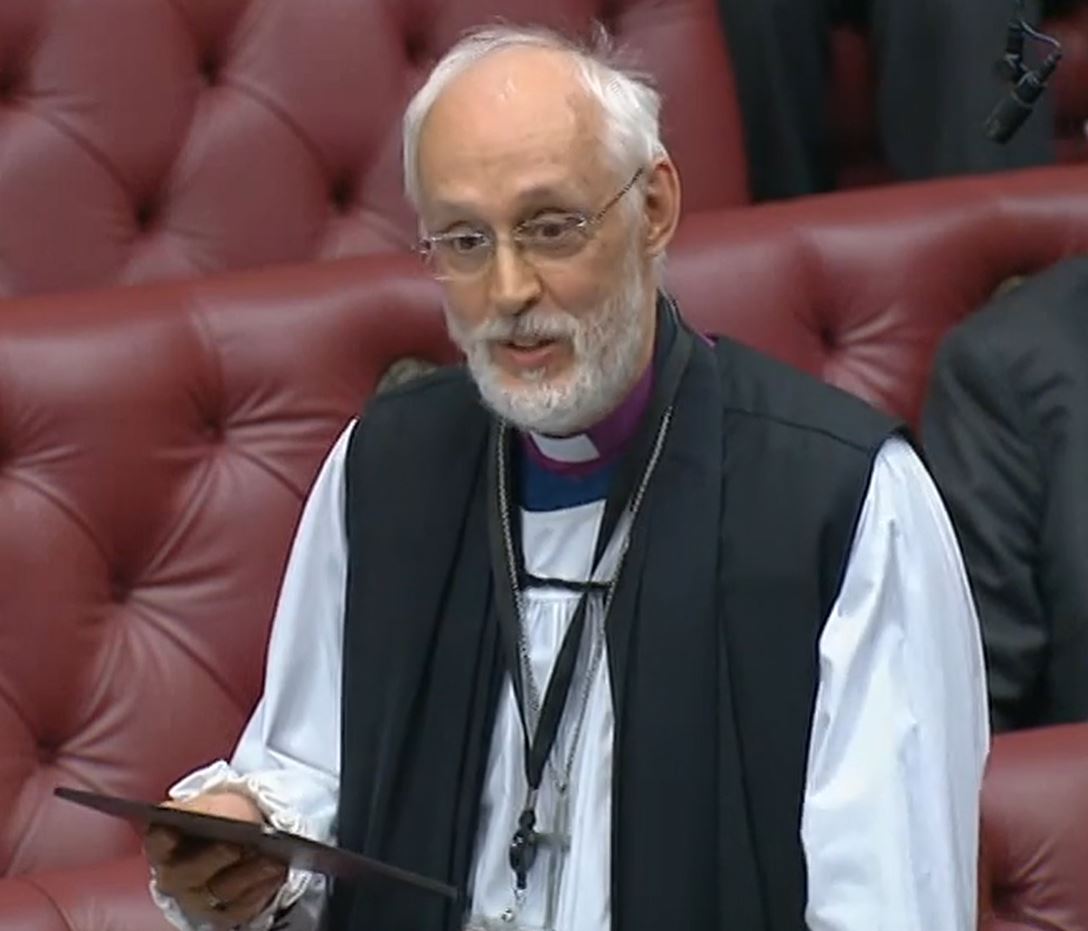
Victims and Prisoners Bill: Bishop of Lincoln supports amendments on duty of candour for public bodies dealing with major incidents

On 30th April 2024, the House of Lords debated amendments to the Victims and Prisoners Bill. The Bishop of Lincoln spoke in support of an amendment tabled by Lord Ponsonby, which “would require public authorities, public servants and officials to act in the public interest and with transparency, candour and frankness when carrying out their duties in relation to major incidents”, referencing the aftermath of the Hillsborough disaster and stressing the importance of candour in responses from public bodies:

The Lord Bishop of Lincoln: My Lords, I support the amendment tabled by the noble Lord, Lord Ponsonby. My right reverend friend the Bishop of Manchester is also a strong supporter of this amendment, which he has signed, and he regrets that he cannot be in his place today to speak to it himself.

Continue reading “Victims and Prisoners Bill: Bishop of Lincoln supports amendments on duty of candour for public bodies dealing with major incidents”

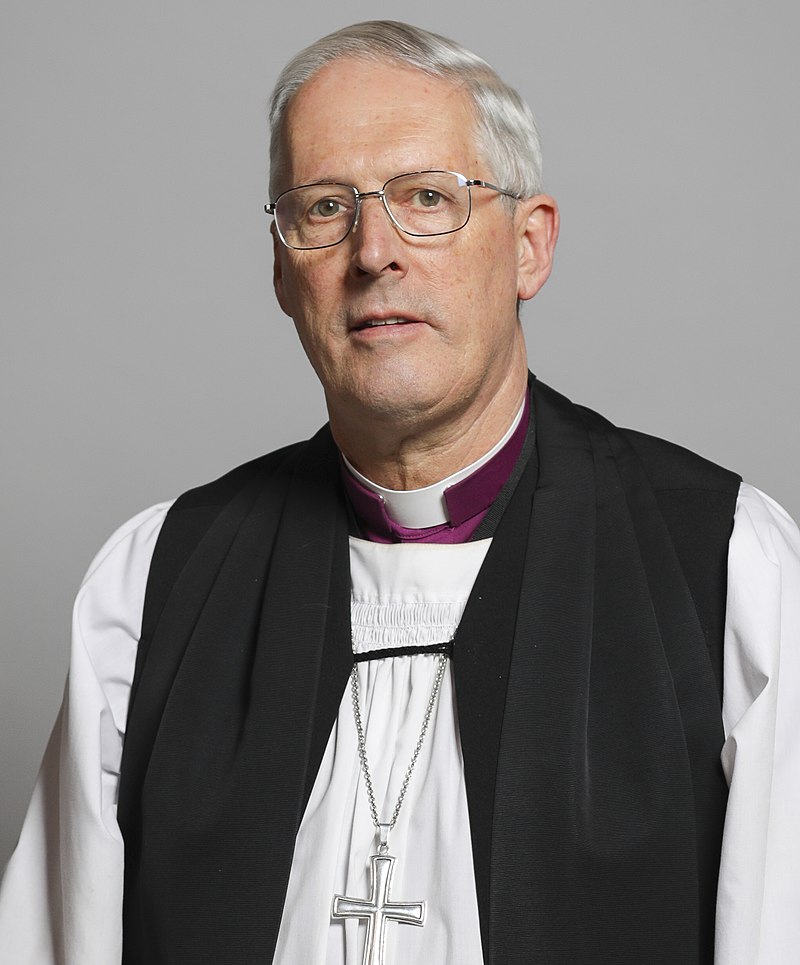
Victims and Prisoners Bill: Bishop of Manchester supports amendment on transparency of public officials

On 26th February 2024, the House of Lords debated amendments to the Victims and Prisoners Bill. The Bishop of Manchester spoke in support of amendment 133 to the bill, which “would require public authorities, public servants and officials to act in the public interest and with transparency, candour and frankness when carrying out their duties in relation to major incidents,” arguing that introducing this statutory duty would allow for greater support for victims and survivors of major incidents and crimes:

The Lord Bishop of Manchester: My Lords, I rise to speak to this amendment to which I have added my name. I declare my interest as co-chair of the national police ethics committee.

Before turning to the amendment, I follow other noble Lords by recording the deep gratitude of both myself and many in the Church for the wisdom and friendship of Lord Cormack. On behalf of both the party he served and the Church he loved, over so many decades, Patrick wonderfully embodied that concept of “critical friend” which is so vital to the functioning of all institutions. We were all better for his wisdom and friendship, and we all learned much from his challenges. He may not have been subject to a duty of candour, but that never stopped him from being very candid in expressing his views. We will miss his contributions, here and elsewhere greatly.

The former Bishop of Liverpool advocated for a duty of candour in his report on the Hillsborough disaster, The Patronising Disposition of Unaccountable Power. That title tells its story. His report was produced over six years ago; a duty of candour was finally contained in the College of Policing’s Code of Practice for Ethical Policing in the last two months, for which I and many others are deeply grateful.

Continue reading “Victims and Prisoners Bill: Bishop of Manchester supports amendment on transparency of public officials”

Bishop of Southwark asks about pay rates for keyworkers

The Bishop of Southwark received the following written answer on 25th January 2022:

The Lord Bishop of Southwark asked Her Majesty’s Government what assessment they have made of the claim by the Trades Union Congress that thousands of key workers are earning less in real terms than they were a decade earlier.

Viscount Younger of Leckie (Con, Treasury): To examine the real terms earnings of key workers, we focus on public sector workers – which represent the majority of key workers.

Public sector pay in real terms (total pay, deflated by CPI) has grown at an annualised rate of 0.2% over the last decade (since the three months to November 2011). The level of public sector average weekly earnings (in real terms) is now in line with that of the private sector in the three months to November 2021.

Continue reading “Bishop of Southwark asks about pay rates for keyworkers”

Bishop of Worcester asks about sourcing NHS pay rises

The Bishop of Worcester asked a question on tackling inefficiencies in NHS resources to provide for future pay rises for health workers, during a discussion on the NHS pay review on 9th March 2021:

The Lord Bishop of Worcester: My Lords, I appreciate the immense, unprecedented and unforeseen pressure that the Government are under as they struggle with the devastating effects of the pandemic on public finances. At the same time, as has been noted, we all want to recognise the huge debt of gratitude that we owe to nurses and other health workers. Recognising that would best be done by a pay increase. We are told that a 1% increase is all that can be afforded. Can the Minister comment on whether he thinks tackling the estimated £2 billion lost annually through inefficiencies related to unnecessary A&E attendance and GP consultations might give more wriggle room?

Continue reading “Bishop of Worcester asks about sourcing NHS pay rises”

Bishop of Worcester: Government plans to cap public sector payouts will have negative effect on pensions of lower paid

On 23rd September 2020 the House of Lords was asked to approve the Government’s Restriction of Public Sector Exit Payments Regulations 2020. The Bishop of Worcester, Rt Revd John Inge, spoke in the debate, highlighting the negative consequences of the Regulations for the pensions of longstanding and lower paid public sector workers:

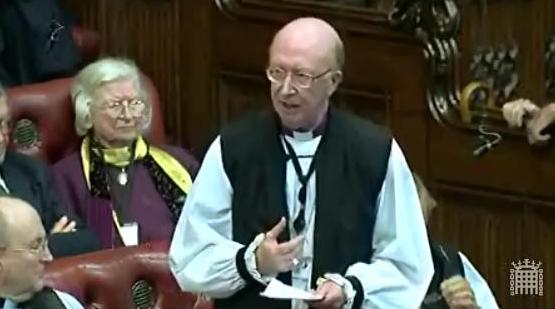
The Lord Bishop of Worcester: My Lords, the attempt to address egregiously large public sector exit payments is undoubtedly a good thing and I applaud it. However, to enact regulations without attention being given to unintended consequences for lower-paid staff is surely not. Continue reading “Bishop of Worcester: Government plans to cap public sector payouts will have negative effect on pensions of lower paid”

Bishop of Winchester asks Government about widening access to university

On 30th June Baroness Randerson asked Her Majesty’s Government “what support they are providing to universities to assist them in dealing with the impact of the COVID-19 pandemic”. The Rt Revd Tim Dakin, Bishop of Winchester, asked a follow up question focusing on students preparing to enter into key public service roles.

The Lord Bishop of Winchester: My Lords, universities make a significant contribution to their local communities and economies, particularly smaller institutions that attract a larger proportion of students from disadvantaged backgrounds. These make a significant contribution to their local context, particularly in this pandemic. In particular, several Cathedrals Group universities during the 2018-19 academic year had 20% undergraduate students from low-participation—POLAR4—backgrounds. How will the Government work with higher education institutions to maintain the widening of access and retention of students, especially those preparing for key public service roles that have been so important during this pandemic crisis?

Continue reading “Bishop of Winchester asks Government about widening access to university”

Bishop of Winchester asks Government about of students enrolling on public service focused courses

On 20th May 2020 the Bishop of Winchester, Rt Revd Tim Dakin, received a written answer to a question on students enrolling on courses with a public service focus.

The Bishop of Winchester: HL3912 To ask Her Majesty’s Government what plans they have, if any, to increase the number of students enrolling on courses with a public service focus, in the light of the COVID-19 pandemic.

Continue reading “Bishop of Winchester asks Government about of students enrolling on public service focused courses”

Bishop of Oxford asks for Government assurances on nurse / patient ratios in NHS

On 12th May 2014 Baroness Kennedy of Cradley asked Her Majesty’s Government “what steps are being taken to ensure adequate levels of nursing staff in the National Health Service.”

The Bishop of Oxford asked a supplementary question, drawing parallels between staffing obligations and the situation of Thanet Clinical Commissioning Group, which had been warned about disregarding NICE guidelines on another case:

11.12.15 Bishop of OxfordThe Lord Bishop of Oxford: My Lords, given the court ruling last week against  Thanet Clinical Commissioning Group, saying that it was obliged to follow NICE guidelines unless a special factor could be determined that would justify departure, will Her Majesty’s Government give an assurance that the same test will apply to NHS trusts in regard to the ratio of nurses and patients?

Earl Howe: The guidance issued today by NICE on staffing ratios, to which I think the right reverend Prelate is specifically referring, is in draft, but the deputy chief executive of NICE has stressed that there are no floor or ceiling numbers on the required number of nursing staff that can be applied either across the whole of the NHS or in a particular ward setting. What the profession is seeking, and what NICE is looking to give it, is a reference tool or guideline that will enable it to judge correct staffing levels in accordance with the particular circumstances of a ward and the skill mix of the staff on that ward. It is a guideline rather than a mandatory prescription.

(via Parliament.uk)