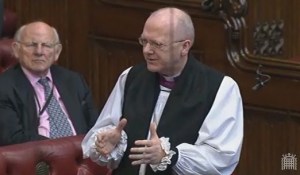
On 9th June 2016 Lord Berkeley of Knighton led a short debate to ask Her Majesty’s Government “what steps they intend to take in the light of NHS statistics showing that in 2015 over 1,000 cases of female genital mutilation were reported every three months and the lack of any successful prosecutions to date.” The Bishop of Derby, Rt Revd Alastair Redfern, spoke in the debate, highlighting the historic and cultural influences behind the practice and the work taking place at a local and grassroots level to reduce instances of FGM and support the law.
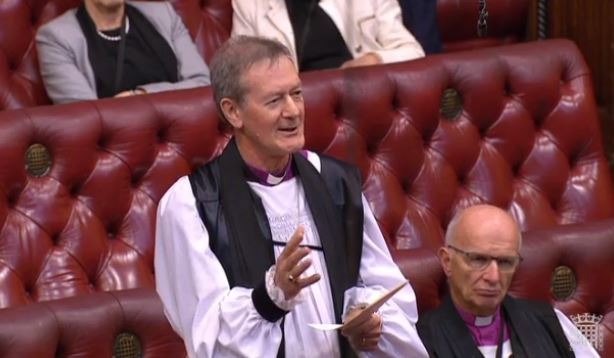 The Lord Bishop of Derby: My Lords, I, too, thank the noble Lord, Lord Berkeley, for introducing this vital debate and making the point that we need to keep this subject in the public domain to raise awareness and challenge people.
I want to offer some perspectives from my experience in Derby, where I operate as a bishop at grassroots level, to try to help understand why we are in this position and how we might best tackle things. Your Lordships will know that FGM is a very ancient practice going back to at least the fifth century BC. It was mentioned by Herodotus, especially in Egypt and Ethiopia, all that time ago. I remind noble Lords that FGM was practised until the 1950s in western countries as part of dealing with what was then called “female deviancy”. Things such as hysteria, epilepsy and lesbianism were dealt with by this horrific practice as an enlightened medical approach to those conditions. We have to recognise that it is not only deeply embedded in ancient culture, but until quite recently in the west, we have been implicated in using this barbaric method for medical reasons. Continue reading “Bishop of Derby highlights importance of local grassroots work in combating FGM”

 The Lord Bishop of Durham: My Lords, while recognising that faith communities have serious issues of domestic violence abuse within themselves, does the Minister also recognise that they contribute a great deal to tackling it through organisations such as the Mothers’ Union, Restored and Kahrmel Wellness, and that today, 16 days of global action begin to try to raise awareness of domestic violence and abuse? Continue reading “Bishop of Durham praises work of faith-based agencies in tackling domestic violence”
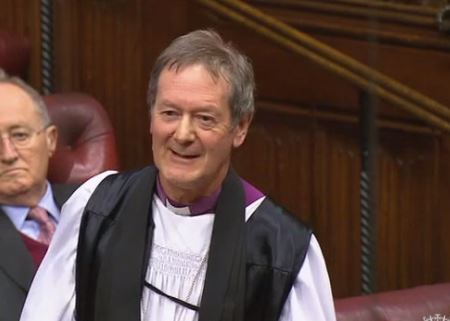
 The Lord Bishop of Gloucester: My Lords, I thank my noble friend the most reverend Primate the Archbishop of Canterbury on his foresight in tabling this debate on shared values. I also add my own congratulations to the noble Lord, Lord McInnes of Kilwinning, and the noble Baroness, Lady Bertin, on their poignant and insightful maiden speeches.
 On 25th May, Baroness Jones of Moulsecoomb asked Her Majesty’s Government “whether they will make it their policy routinely to publish statistical information on the detention of pregnant women under the Immigration Act 2014.” The Bishop of Southwark, Rt Rev Christopher Chessun, asked a follow-up question: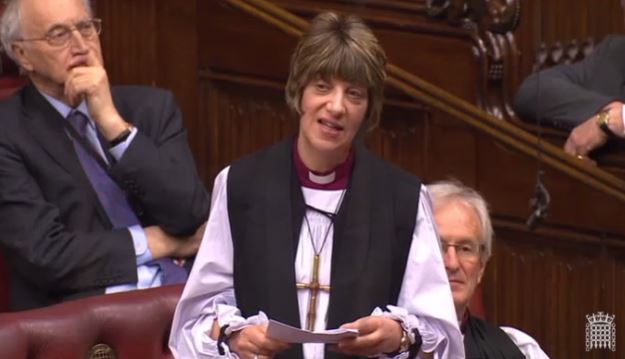

 The Lord Bishop of St Albans: To ask Her Majesty’s Government how many cases the Forced Marriage Unit was involved in, or gave support and advice to, in 2014.

You must be logged in to post a comment.