
On 28th November 2017 Lord Boateng led a debate in the House of Lords “To ask Her Majesty’s Government what progress they have made in improving mental health services for people from black and ethnic minority communities.” The Bishop of Worcester, Rt Revd John Inge, spoke in the debate:
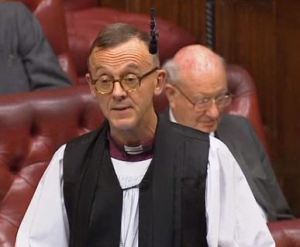 The Lord Bishop of Worcester: My Lords, I, too, am very grateful to the noble Lord, Lord Boateng, for securing this debate and, like the noble Lord, Lord Ouseley, pay tribute not only to his eloquent introduction but to all he has done in this area. We owe him a great debt of gratitude.
Some of the evidence which has already been cited—there is lots more— concerning black and minority-ethnic individuals and mental health is a dreadful indictment of our society. One of the most shocking statistics to me is that UK minority-ethnic individuals are 40% more likely than white Britons to come into contact with mental health services through the criminal justice system rather than through referral from GPs or talking therapies. Continue reading “Bishop of Worcester says church can help society improve mental health services for black and ethnic minority communities”
 On 28th November 2017 the Bishop of St Albans, Rt Revd Alan Smith, asked a question he had tabled to Government about its plans to reduce waste. The exchange with the Minister and subsequent questions from other Members are below:
 On 28th November 2017 Baroness Wheeler asked Her Majesty’s Government “what actions they are taking to address the concerns raised by the Care Quality Commission in its review published in October about the particular difficulties faced by children and young people in vulnerable circumstances, such as looked-after children and those with learning disabilities, in accessing mental health care.” The Bishop of Worcester, Rt Revd John Inge, asked a follow up question:
 The Lord Bishop of Durham: My Lords, while recognising that faith communities have serious issues of domestic violence abuse within themselves, does the Minister also recognise that they contribute a great deal to tackling it through organisations such as the Mothers’ Union, Restored and Kahrmel Wellness, and that today, 16 days of global action begin to try to raise awareness of domestic violence and abuse?
  This week in the House of Lords bishops spoke in a debate on defence and peacebuilding, and asked questions about religious freedom and the Commonwealth summit, universal Credit, Brexit, food banks, Israel, and schools. The Bishop of Birmingham issued a response to the Autumn Budget statement. The former Bishop of London, Rt Revd Lord Chartres, was introduced to the House as a life peer and took his seat on the crossbenches.
 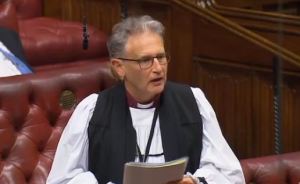 The Lord Bishop of Coventry: My Lords, I share with the Minister and the House a bit of local information. We find ourselves in an interesting situation in Coventry, with rising employment and yet a 30% increase in usage among those in the city—mostly single males—among whom universal credit has been rolled out. Like others, I very much welcome the changes and I am sure they will help enormously but, at the same time, I still have reservations about whether they have gone far enough and address other issues that some of us on the ground have identified.
  The Lord Bishop of Coventry: My Lords, I join others in commending the noble Lord, Lord Soley, for securing this debate and for framing it in this way. He made it clear that UK defence forces exist not only for the protection and promotion of immediate British interests but to contribute to global peace, stability and security. The scale of that task has obvious implications for the size of the defence budget and its distribution.
 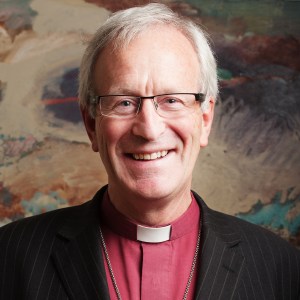 “The Chancellor’s Budget has gone some way to deal with the immediate problems facing our economy, housing and NHS, but it could have gone much further to help the many at the sharp end struggling to get by.
 On 22nd November 2017 Lord Lennie asked Her Majesty’s Government “what action they have taken to address the concerns raised in the Social Mobility Commission’s State of the Nation report published in November 2016.” The Bishop of Coventry, Rt Revd Christopher Cocksworth, asked a follow up question:

You must be logged in to post a comment.