
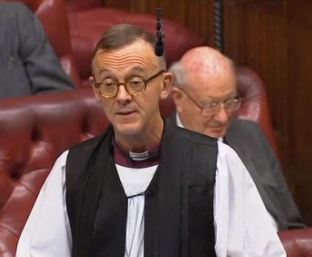
 On 21st May 2018, Lord Ahmed tabled an Oral Question ‘To ask Her Majesty’s Government what steps they are taking to encourage Iran and Saudi Arabia to work together to bring peaceful solutions to the conflicts in Syria and Yemen.’ The Bishop of Worcester, the Rt Revd Dr John Inge, asked a follow up question:
The Bishop of Worcester: My Lords, does the Minister accept the continuing pressing need to improve religious literacy, not least concerning Sunni and Shia, within and without Whitehall if we in this country are properly to understand, let alone address, the problems to which reference has been made? Continue reading “Bishop of Worcester asks about religious literacy in Government, especially of Islam”
 On 17th May 2018 Baroness Thornton asked Her Majesty’s Government “what steps the Department of Health and Social Care and the National Health Service are taking to support the mental health of the NHS workforce in England.” The Bishop of St Albans, Rt Revd Alan Smith, asked a follow-up question:
 On 17th May 2018 the Bishop of Durham, Rt Revd Paul Butler, received a written answer to three questions he had tabled on Universal Credit:
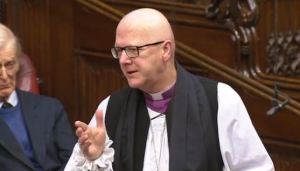 On 17th May 2018 the Bishop of St Albans, Rt Revd Alan Smith, received a written answer to a question on Forestry Commission Land:
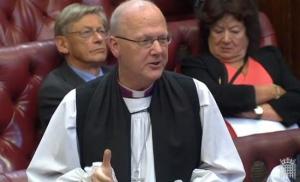 On 16th May 2018, Lord Roberts asked Her Majesty’s Government “what steps they are taking to improve the assessment of immigration applications by UK Visas and Immigration, given that 40 per cent of immigration appeals heard by the Immigration and Asylum Tribunals in 2016 were granted.” The Bishop of St Albans, Rt Revd Alan Smith, asked a follow up question.
 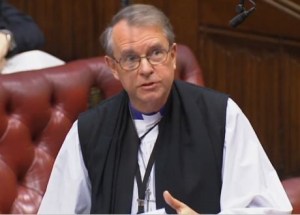 On 16th May 2018 the Bishop of Durham, Rt Revd Paul Butler received a written answer to a question on the costs of daycare for children:

You must be logged in to post a comment.