
On the 7th March 2016, Baroness Williams of Trafford led a debate in the House of Lords, “that this House takes note of the progress made in the United Kingdom in the areas of women’s representation and empowerment 150 years after the 1866 petition to the House of Commons for women’s suffrage.” During the debate, the Bishop of Gloucester, the Rt Revd Rachel Treweek, gave her maiden speech, becoming the first female bishop in history to speak in the House of Lords.
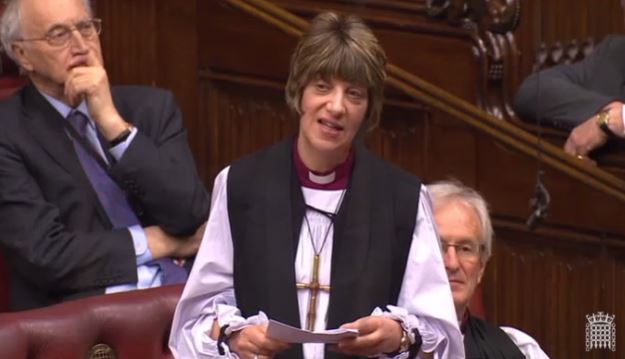 The Lord Bishop of Gloucester: My Lords,
“This is a maiden speech, my Lords, and I would crave your indulgence”.
So began the maiden speech in November 1958 of Baroness Elliot of Harwood, the first female Peer to speak in this House. She went on to say,
“except for Her Majesty’s gracious Opening of Parliament, probably this is the first occasion in 900 years that the voice of a woman has been heard in the deliberations of this House”.—[Official Report, 4/11/1958; col. 161.]
I cannot make that claim but it certainly feels poignant to be participating in this particular debate as the first female bishop to be introduced as a Lord Spiritual. It is on that note that I thank noble Lords for the overwhelming warmth of their welcome, and for the most practical support that I have received from officers and staff. Continue reading “Bishop of Gloucester gives Maiden Speech on International Women’s Day”

 The Lord Bishop of Salisbury: My Lords, I am very grateful for this debate. When I joined this House last year, I was really struck by how it was possible to work with Members from all parts of the House in preparation for Paris and by the strong sense of common purpose with which we could work together. I am grateful for the contribution from the noble Lord, Lord Deben, in terms of what now happens, post-Paris, and how we move on. However, I am unable to support a fatal Motion. On the other hand, it is really important that the House discusses where the Government are with their energy policy, and that is what this debate is able to do.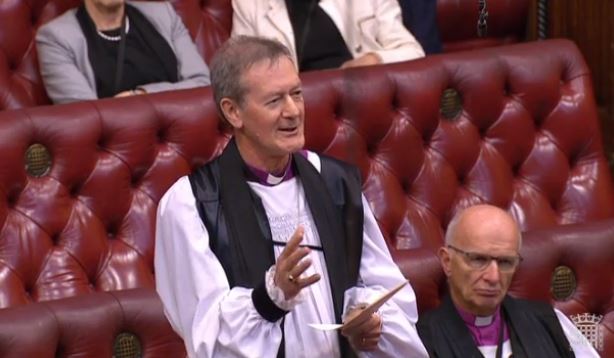
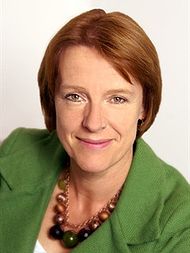 Mrs Caroline Spelman (Meriden) (Con): Like, I am sure, many others present, I have had to go through the process of a Criminal Records Bureau check, which is now a Disclosure and Barring Service check. Does my hon. Friend agree that it is an important butonerous process? Sometimes, one has to be checked more than once, because it does not transfer to another activity that one might undertake with children if one is foolish enough to do a full weekend with the Sunday school. It is a very rigorous process, and if it was applied to the people who teach children Islam in all teaching environments, it would be a very good tool to deal with any excess problem that there might be.
 The Lord Bishop of Peterborough: My Lords, I, too, am grateful for this debate. I also note with great pleasure a number of changes made to policy and practice in this area by Mr Gove since he became Secretary of State. I gladly thank him and the Government, particularly for allowing prisoners greater and easier access to books. But if educational standards in prisons are to be improved, as they desperately need to be, we still need much more joined-up thinking. I will give two examples.
  The Church of England in Parliament
You must be logged in to post a comment.