On 9th December 2022 the Archbishop of Canterbury led a debate in the House of Lords on the motion:
That this House takes note of the principles behind contemporary United Kingdom asylum and refugee policy, and of the response to the challenges of forced migration.
The Archbishop of Canterbury: My Lords, I am very grateful to the usual channels for facilitating this debate, to those among the staff of the House who have had to work extra hard to come in today, and to so many noble Lords for being present. I look forward to hearing the maiden speeches of the right reverent Prelate the Bishop of Leicester, the noble Lord, Lord Sahota, and the noble Baroness, Lady Twycross, on this subject.
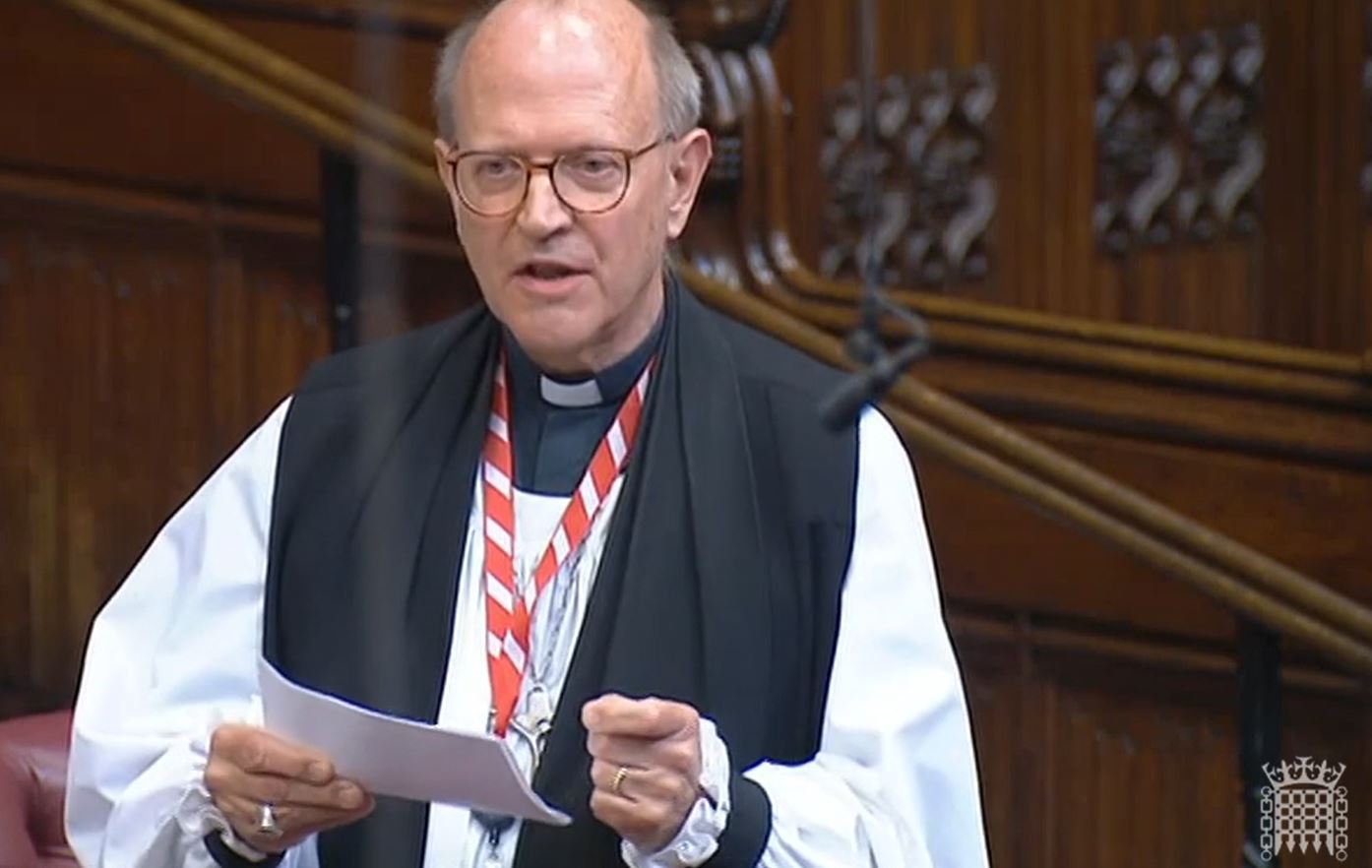
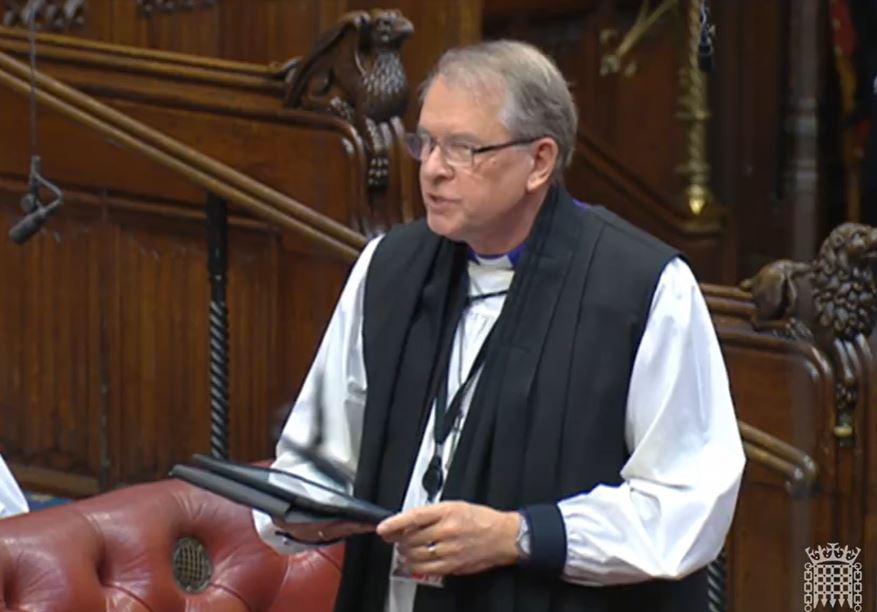
The Bishop of Durham spoke in a debate on 9th December 2022 led by the Archbishop of Canterbury, on the principles behind asylum and refugee policy.
The Lord Bishop of Durham: My Lords, it is a pleasure to follow the noble Baroness, Lady Prashar. We are not often afforded the opportunity to look at asylum policy forensically and dispassionately, so I thank the most reverend Primate the Archbishop of Canterbury for choosing this debate. I also congratulate those who have given their maiden speeches today, and note my registered interests as a trustee of Reset and a principal of RAMP.
I begin by laying out clear principles that come from how ancient Israel was called to treat refugees: to welcome people, to treat them with dignity as fellow humans, to provide support, and to enable self-support and integration. It is no secret that we are not doing the mechanics of “welcome” through asylum processing well. The applications backlog means we are unable to prioritise those in need or humanely return those not recognised as refugees. There were close to 140,000 unanswered applications in the system by the end of September, so men, women and children were left in limbo and unable to rebuild their lives. This is not treating people with dignity. Chronic underinvestment in both people and systems at the Home Office has caused this, but there are workable solutions, such as to recruit more caseworkers and set up a dedicated case clearance unit that effectively triages.
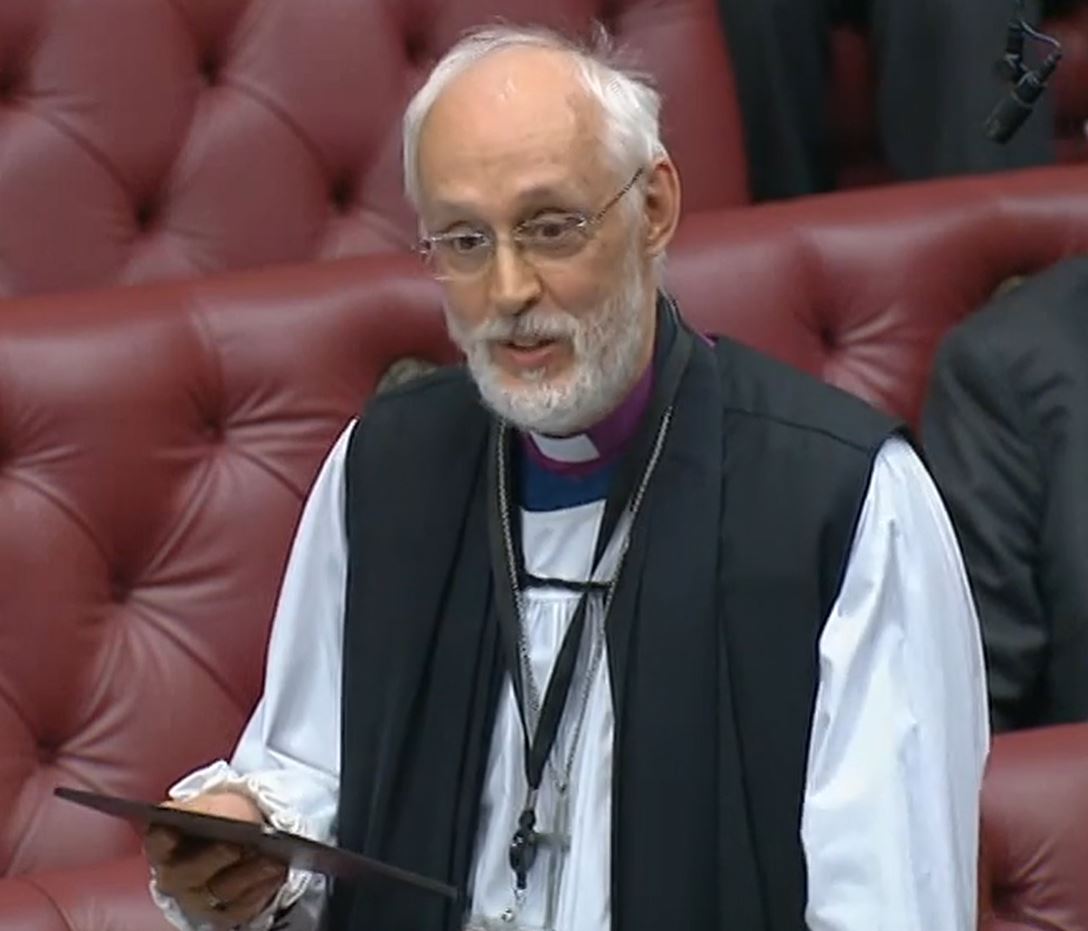
On 9th December 2022 the Archbishop of York spoke in the Archbishop of Canterbury’s debate on the principles behind UK asylum and immigration policy.
The Archbishop of York: My Lords, despite my probably sensible and timely demotion on the speakers’ list*, I am nevertheless delighted to speak in this very moving debate and to thank my brother, the most reverend Primate the Archbishop of Canterbury, for bringing it to us.
I also thank the noble Lord, Lord Robathan, for his kind words about our preaching earlier this year. I can assure him that on almost every other occasion when I rise to speak, although not on this occasion, it is to speak about the Christian gospel, whose values underpin everything I am about to say. I was also very moved by the noble Lord, Lord Singh, who quoted the Jewish and Christian scriptures to us. That is such a powerful sign of the generous spirit of the Sikh faith, which we can all learn so much from. I am also grateful for the three powerful maiden speeches that we have heard today
I want to emphasise a small but significant point. Getting this right, and doing the right thing, is a blessing for everyone in our society and the best way of shifting the opinion of the public, whose anxiety about this issue is fuelled by the dysfunction of our current system. The hard truth is that our asylum system simply does not treat everyone the same. It does not give people the dignity, safety and agency that their humanity deserves. I say to the noble Lord, Lord Lilley, that everyone is our neighbour. Of course, we cannot take everybody, but that makes it even more important that we have a fair system for everyone.
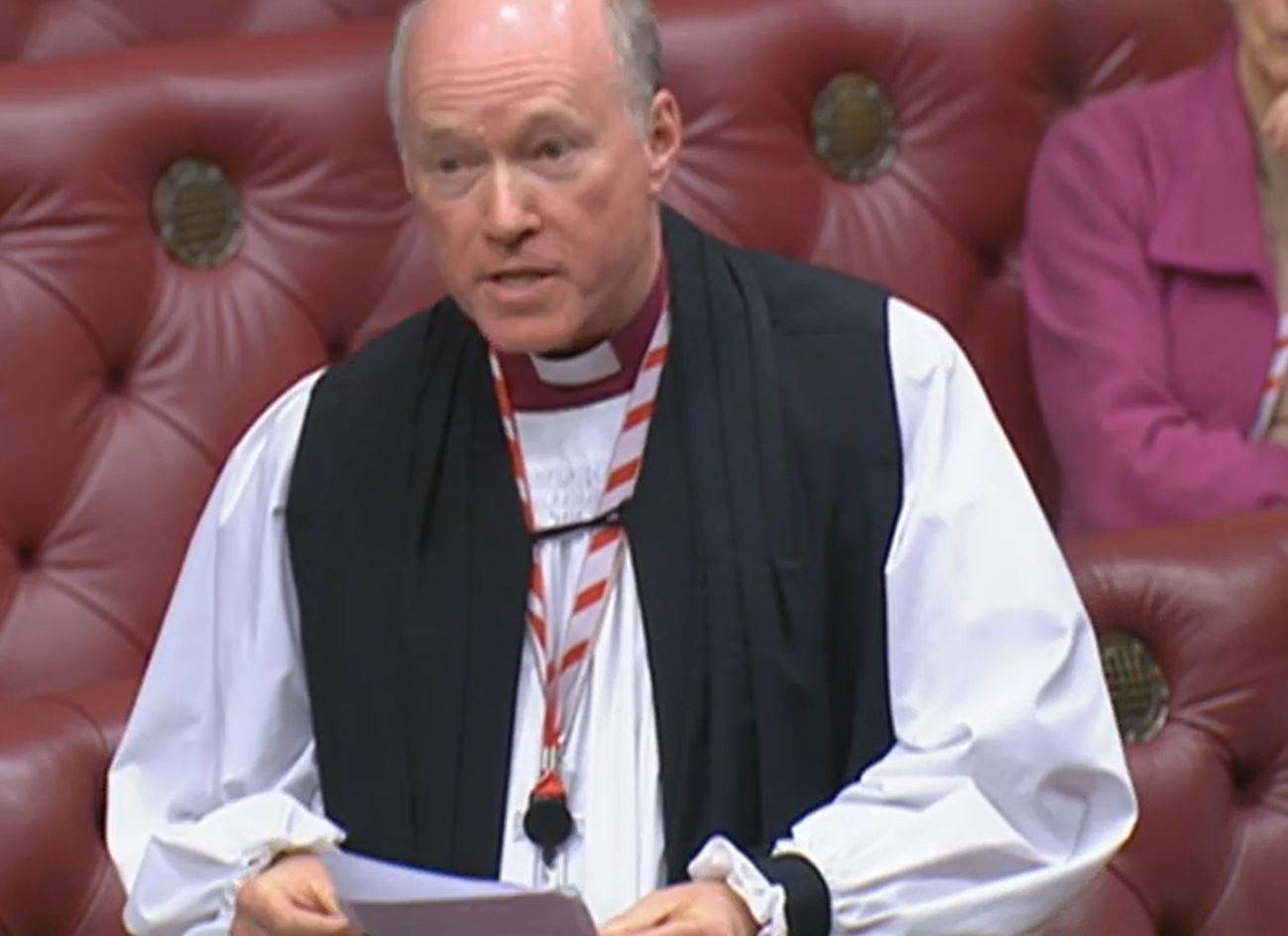
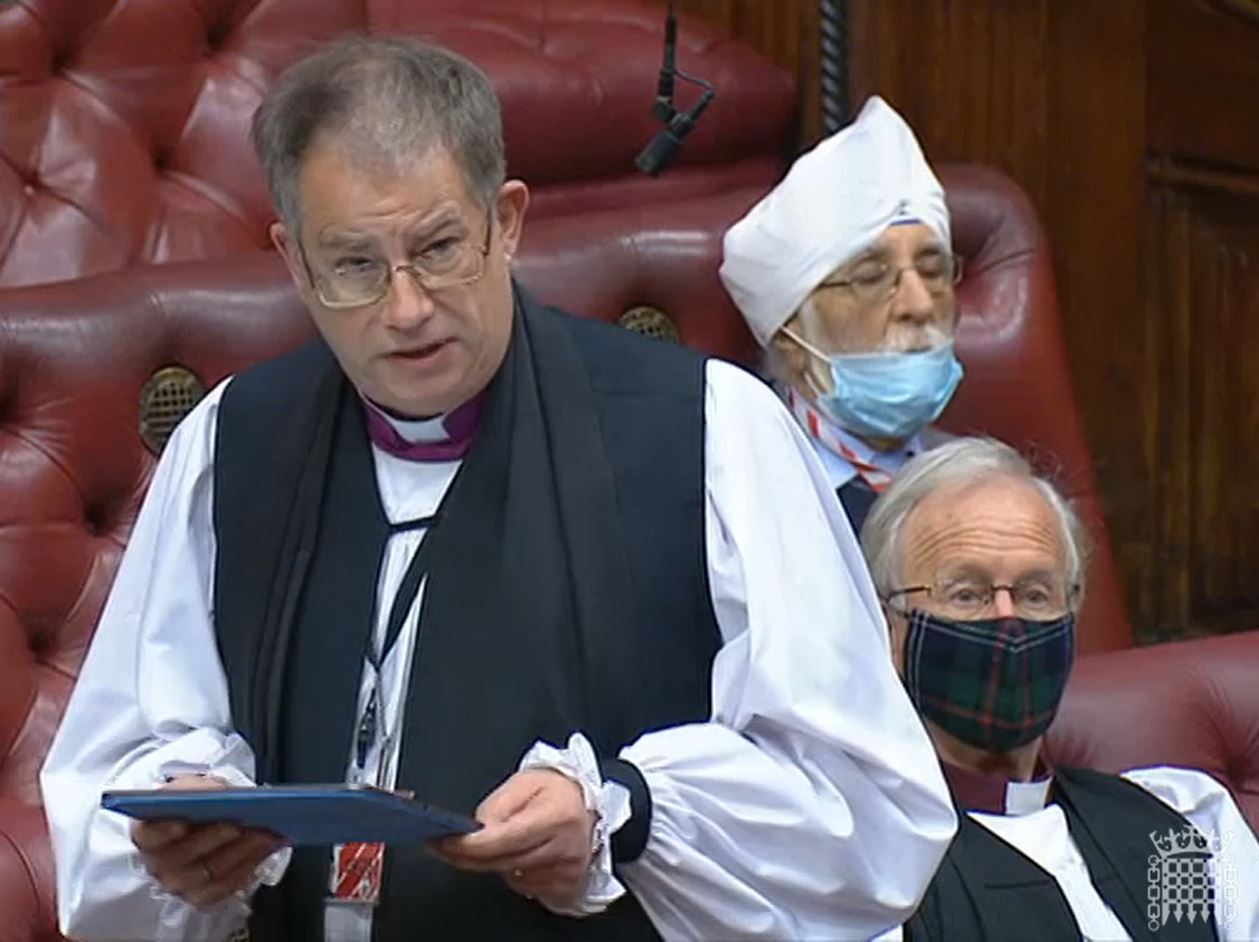
On 9th December 2022 the Bishop of Leicester, Rt Revd Martyn Snow, made his first speech in the House of Lords, during the Archbishop of Canterbury’s debate on the principles behind UK asylum and refugee policy.
The Lord Bishop of Leicester (Maiden Speech): My Lords, it is a privilege to make my maiden speech in this most important debate. I am grateful to my most reverend friend the Archbishop of Canterbury for putting forward this Motion. I am grateful also to noble Lords for their welcome today. I look forward to learning from, and working with, them in service of His Majesty’s Government and our great nation. As one of my relatives was the first ever manager of the English football team, I echo the noble Lord, Lord Sahota, in his hope that his and my elevation may lead to success as in 1966.
As Bishop of Leicester, I have the honour of serving a city which has been made by migration, including those seeking asylum. Among them were Asian refugees expelled from Uganda 50 years ago and Somalian refugees fleeing the civil war in the 1990s. Socially, culturally and economically, Leicester has benefited phenomenally from the talents, hard work and rich heritage of migrant communities.
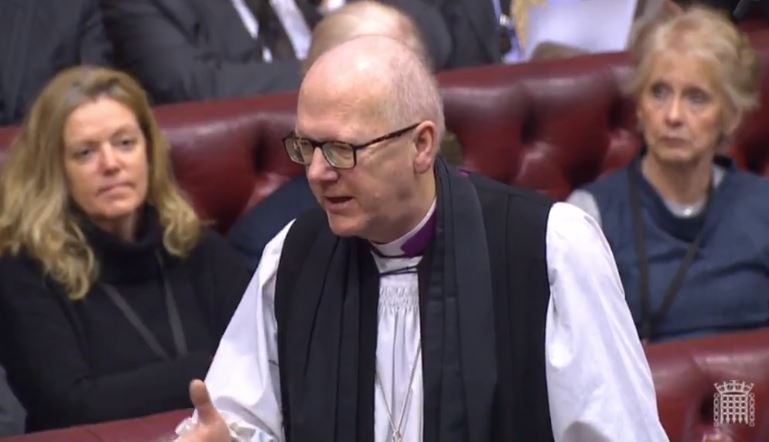
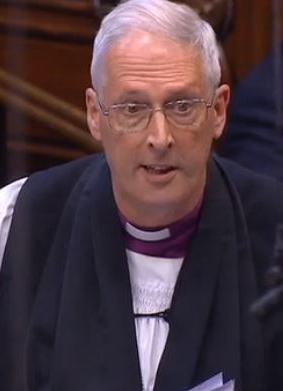
On 9th December 2022 the Bishop of Chelmsford spoke in a debate led by the Archbishop of Canterbury on the principles behind UK asylum and refugee policy.
The Lord Bishop of Chelmsford: My Lords, I thank the noble Baroness, Lady Twycross, for her gracious maiden speech and for mentioning the role of churches in local resilience forums. I look forward to hearing the two maiden speeches to come. The right reverend Prelate the Bishop of Leicester and I were formerly colleagues when I was Bishop of Loughborough, and I look forward to working with him in this House.
I thank my right reverend friend the Archbishop of Canterbury for securing this timely and important debate. This past year alone, we have seen multiple developments of concern, with an increase in forced migration due to conflict around the globe and over a third of Ukraine’s population displaced by war, with millions seeking refuge beyond their borders. A record 40,000-plus people have made the precarious English Channel crossing. We have also seen deeply troubling conditions faced by people once they are in the UK: overcrowded processing centres, threats of deportation to Rwanda, and a lack of resettlement through the Afghan citizens resettlement scheme.
On 1st December 2022, the House of Lords debated a motion to take note regarding the importance of the BBC World Service, and the impact of cuts to its service. The Lord Bishop of St Albans spoke in the debate, highlighting the benefits of truth in reporting and global access to information, particularly for vulnerable populations:
The Lord Bishop of St Albans: My Lords, I thank the noble Lord, Lord Alton, for tabling this debate, and for his excellent exposition of the impact and importance of the BBC World Service.
The BBC World Service is one of the most potent ways in which we can act in the world, not least to help those persecuted people who often are voiceless. I think of the debate that we had a couple of weeks ago about the hundreds of thousands of women on the streets of Iran. I think about the debates and Questions in this House about the various persecuted people in China. They need accurate reporting and, very often, knowing that something is being reported gives people hope and keeps them going when they are being crushed by their own authoritarian leaders.
The House of Lords debated the Chancellor’s Autumn Statement on 29th November 2022
The Lord Bishop of Gloucester: My Lords, growth is good and necessary, and it is clear that money does not grow on those proverbial trees. We find ourselves in extremely challenging times, and it seems to me that some of the measures that are set out in the Autumn Statement are prudent and necessary to rebalance the budget. I thank the Government for their desire to focus on supporting the poorest households, which is right and just, including their decision to increase benefits in line with inflation. Yet I have a number of concerns. I want to use my time to focus on just two key issues: first, food and feeding people, and, secondly, the criminal justice system. I declare an interest both as a trustee of Feeding Britain and as Anglican Bishop for prisons in England and Wales.
On 22nd November 2022, the House of Lords debated the Public Order Bill in the second day of the committee stage. The Bishop of Manchester spoke regarding two sets of amendments: firstly, in support of amendments to Clause 9, pertaining to access issues around abortion providers, and secondly in opposition to clauses remaining in the bill which would grant excessive police powers, particularly regarding the right to protest.
The Lord Bishop of Manchester: I rise to address Amendments 85 to 88, 90 and 92, to which my right reverend friend the Bishop of St Albans has added his name. He regrets that he is unable to be in his place today. I also have sympathy with a number of other amendments in this group.
It is a heated and emotive debate on this clause, and it was heated and emotive when it was added in the other place. The danger is that we get dragged into debates about whether abortion is morally right or wrong. Indeed, I have had plenty of emails over the past few days, as I am sure other noble Lords have, tending in that direction. As it happens, I take the view that the present law on abortion strikes a reasonable balance; in particular, it respects the consciences of women faced, sometimes with very little support, with making deeply difficult decisions.
On 18th November 2022, the House of Lords debated the House of Lords (Peerage Nominations) Bill in its second reading. The Bishop of St Albans spoke in support of the bill:
The Lord Bishop of St Albans: My Lords, there have been a number of occasions in recent years when this House has debated its make-up, its processes of nomination and its role. The test of any Bill to reform aspects of the House of Lords is surely whether it will enhance the core functions of this House; namely, to revise, to scrutinise and to ensure that the membership retains significant independence and expertise. A further useful test is whether the proposed changes are simply a response to some current problems or whether they have the potential to enhance the work of the Lords in the long term. It seems to me that, unless we are going to go for something very radical and different, this Bill meets these tests. It is modest in its proposals but I believe it is worthy of support none the less. It comes in a long line of incremental but sensible and pragmatic changes to Lords procedure and practice. I suggest that the history of Lords reform shows that incremental change tends to be the most successful.
The Bishop of St Albans tabled a question for short debate in Grand Committee on 17th November 2022, concerning reports of human rights abuses in China:
The Lord Bishop of St Albans: To ask His Majesty’s Government what assessment they have made of allegations of human rights abuses in China.
My Lords, I approach this debate with a great deal of reticence and, indeed, almost reluctance. I have long admired China and the Chinese people, although one should of course acknowledge that the population of China is made up of 56 different ethnic groups. I have long admired their ancient civilisation. Not only is China a country of great natural beauty; it is the nation that invented the compass, gunpowder, paper, moveable-type printing, kites, fireworks, silk, tea and porcelain, to name a few. I will perhaps omit noodles from my list of admirable inventions. My Chinese friends are among some of the most educated, industrious and cultured people I know. China is the fourth-largest country by land mass and has the largest population of any country in the world. Over many decades, we have developed extensive trade links with China, and it is in its interests and ours for us to share in commerce and seek to find common cause for the good of the world.
Yet I feel I cannot remain silent in the face of such a wide range of human rights abuses. Lying behind our profound differences is a vast cultural gulf that was laid bare most recently for me when I read President Xi’s speech at the 20th National Congress of the Chinese Communist Party last month. He said:
“We will … continue to take the correct and distinctively Chinese approach to handling ethnic affairs … We will remain committed to the principle that religions in China must be Chinese in orientation and provide active guidance to religions so that they can adapt to socialist society.”
He also said:
“We have effectively contained ethnic separatists, religious extremists, and violent terrorists”.
To those here who are familiar with China’s history of human rights abuses, these are worrying words.
You must be logged in to post a comment.