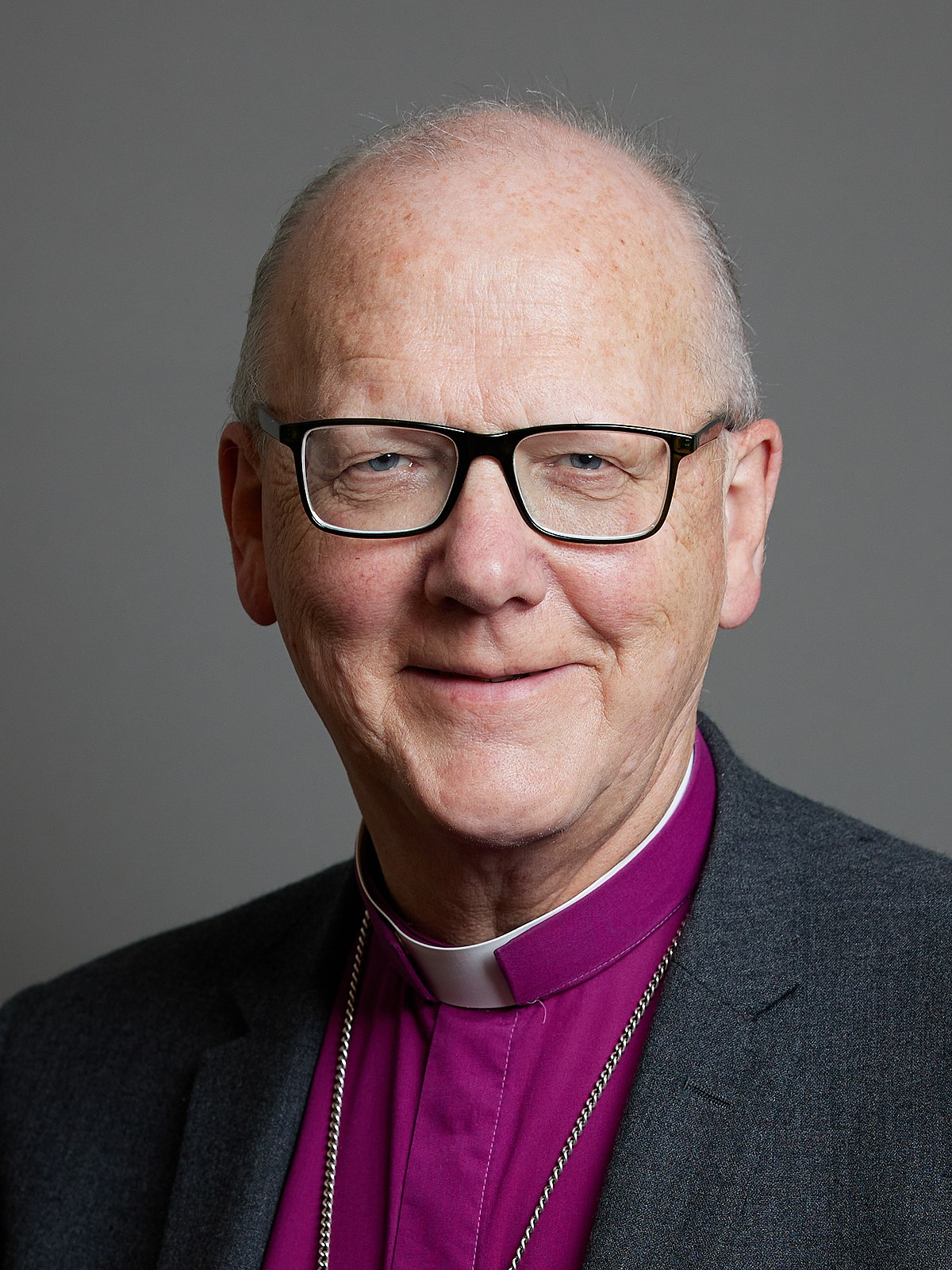
Bishop of Norwich takes part in debate on industrial regeneration in urban areas

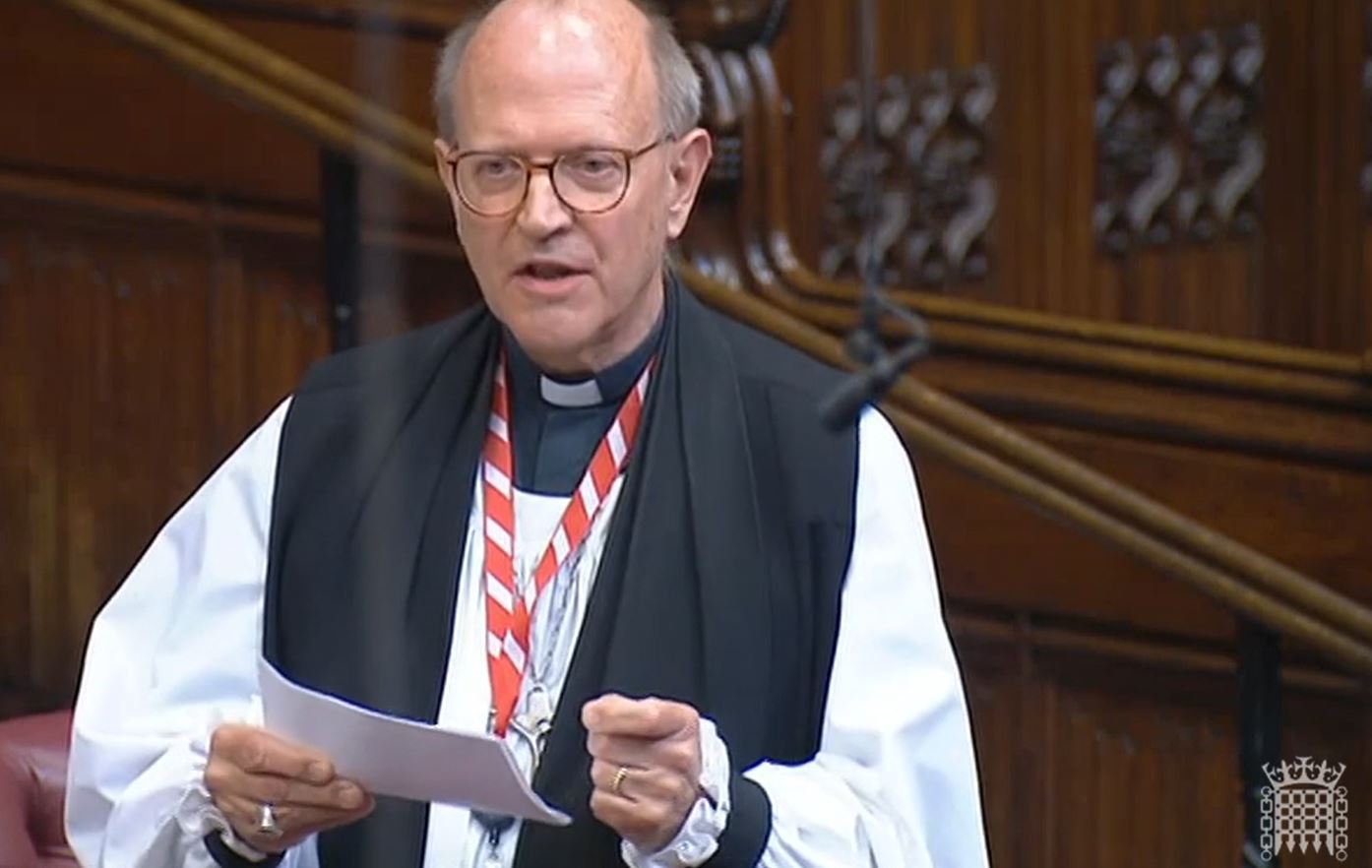
The Bishop of Norwich made a speech during a debate on regeneration of industrial areas on 7th March 2024, calling for greater investment in and engagement with communities to help drive local regeneration:
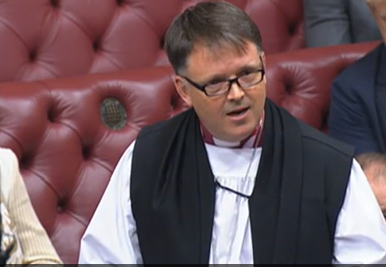
The Lord Bishop of Norwich: My Lords, the place that shaped me most as a priest in the Church of England was the parish of Holy Trinity North Ormesby in Middlesbrough at the turn of the millennium, so it was a simple delight and joy to hear the noble Baroness, Lady Chapman, speak about so many places that I know, from South Bank to Maske.

North Ormesby is set among derelict land, chemical plants and the distant smoke, sound and smell of the coke and steel furnaces. It is a place that taught me so much about resilience and survival, as well as about the strength of community, even when the stuffing had been knocked out of it. The people there taught me about acceptance and that each day was filled with little blessings. But I also learned about poverty and the impact of damp houses, as well as about health inequalities that meant that, if you lived six miles away, on average you lived another decade.

In all the indices, that community still comes out as being among the poorest, most ill, most unemployed and most unskilled, as well as having the lowest educational attainment and the worst air quality of wards in this nation. But the people I lived alongside in that community have warm and large hearts, despite the challenging context. The church was at the centre of its long-term regeneration, successfully building the Trinity Centre—a place for support, learning, faith and fun, it said. It was funded by the single regeneration budget and the neighbourhood renewal fund, but also, crucially, by many small grant-making trusts—and a local couple who one day knocked on the vicarage door with £1,000 of their savings because they believed in what we were doing. We gave confidence to the local authority and a housing association to invest in that community when others simply walked away.

Continue reading “Bishop of Norwich takes part in debate on industrial regeneration in urban areas”
Archbishop of York asks about access to green spaces

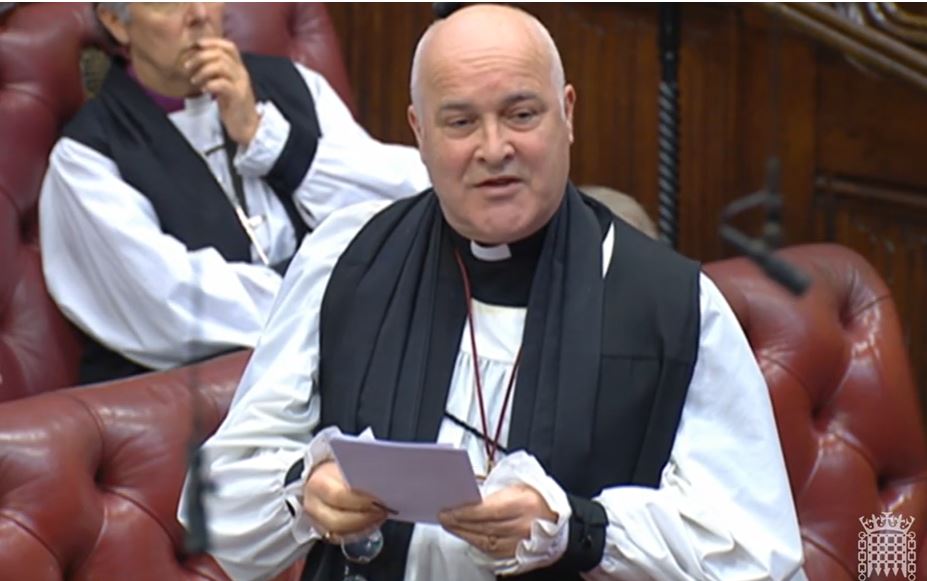
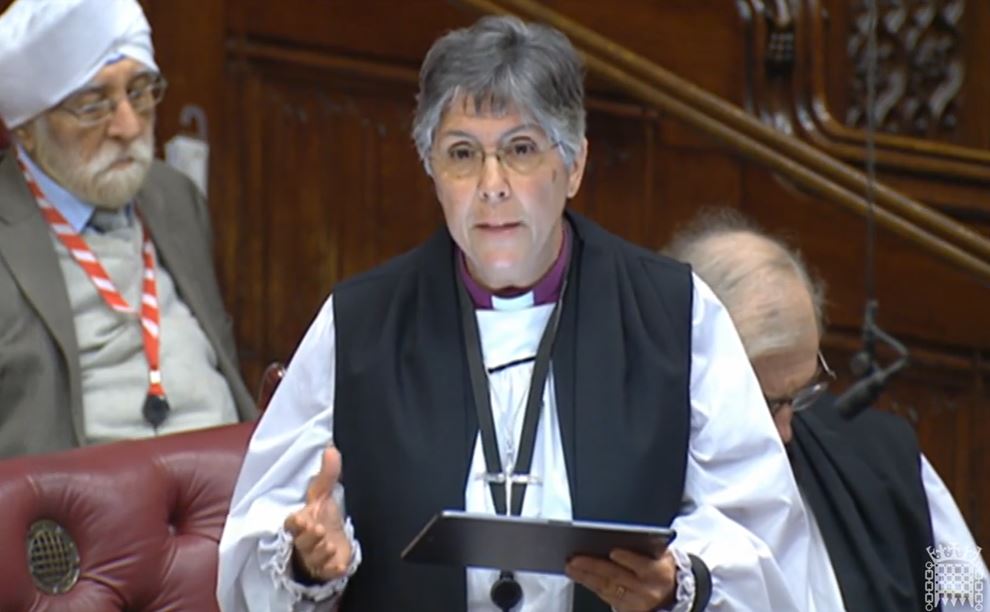
The Archbishop of York asked a question on what steps the government are taking to improve access to outdoor and green spaces, particularly for disadvantaged communities, on 7th March 2024:

The Lord Archbishop of York: My Lords, during Covid, we all became aware of how important it is to have access to outside space. Yet we know that many people do not have access to outside space, let alone green space, and we know the health benefits of having that space, particularly for mental health. In my work, I often visit communities, particularly in Hull and Middlesbrough, where so many people simply do not have this kind of access, and I see the consequences. I am wondering what steps the Government are taking to try to improve the situation. It is estimated that 10 million people in this country may not have ready access to green space. What steps are being taken to address this?

Continue reading “Archbishop of York asks about access to green spaces”

Safety of Rwanda (Asylum and Immigration) Bill: Bishop of Chelmsford supports amendment providing additional protection to unaccompanied children

On 6ht March 2024, the House of Lords debated the Safety of Rwanda (Asylum and Immigration) Bill in the final day of the report stage. The Bishop of Chelmsford spoke in support of amendment 34 to the bill, tabled by Baroness Lister of Burtersett, which would seek to restore the jurisdiction of the courts to review removal decisions taken on the basis of age assessments of unaccompanied children:

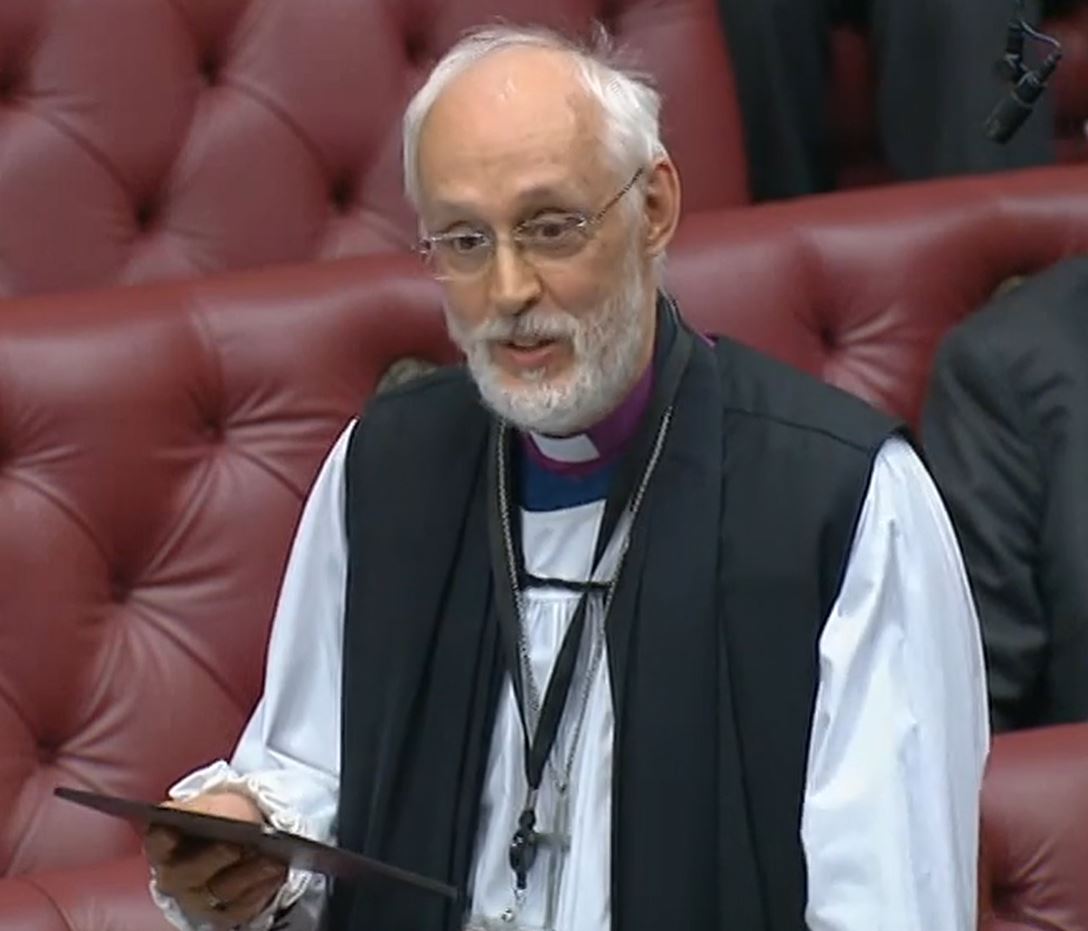
The Lord Bishop of Chelmsford: My Lords, I rise also to support Amendment 34. I will keep my comments brief because I fully support the statements from the noble Baroness, Lady Lister, and the noble Lord, Lord Dubs. But please do not mistake my brevity with the level of importance that should be attached to this issue. Safeguarding is not some burdensome requirement but a moral and legal imperative. It is for this reason that I repeat the request that I made in Committee for a child’s rights impact assessment to be published.

It is welcome that the Government have excluded unaccompanied children from the Rwandan partnership, but to safeguard potential children effectively, this commitment must be more than a mere intention; it must be operationally put into practice. This amendment would help mitigate the risk of a person being sent erroneously—when they are, in fact, a child—by sensibly awaiting the result of any age assessment challenge before their removal. When it comes to a child, we cannot allow harm to be addressed retrospectively, as surely it is the role of any Government to prevent harm, regardless of the immigration objective. Trauma, as we have heard, simply cannot be remedied.

Continue reading “Safety of Rwanda (Asylum and Immigration) Bill: Bishop of Chelmsford supports amendment providing additional protection to unaccompanied children”

Votes: Safety of Rwanda (Asylum and Immigration) Bill

On 6th March 2024, the House of Lords debated the Safety of Rwanda (Asylum and Immigration) Bill in the final day of the report stage. Votes were held on amendments to the bill, in which bishops took part:

Continue reading “Votes: Safety of Rwanda (Asylum and Immigration) Bill”

Bishop of Manchester asks about support for decarbonisation of social housing

The Bishop of Manchester asked a question on the size of the social housing decarbonisation fund and what extra support the government would be giving to housing associations if the fund were to fall short, during a discussion on heat pump installation policy on 6th March 2024:

The Lord Bishop of Manchester: My Lords, the Minister kindly referred to the social housing decarbonisation fund, but there are something like 2.7 million homes owned by the social housing sector, with a projected cost of £36 billion to decarbonise them. Does he recognise that the fund is far too small to deliver that, and if so, what extra support will be made available to housing associations for them to achieve this for their poorer tenants?

Continue reading “Bishop of Manchester asks about support for decarbonisation of social housing”

Bishop of St Edmundsbury and Ipswich speaks on use of armed force and ethics of conflict

The Bishop of St Edmundsbury and Ipswich gave a speech in response to a motion to take note of the UK’s position on foreign affairs, on the topic of how and why armed force is used, and the difficulties of the ethics of war:

The Lord Bishop of St Edmundsbury and Ipswich: My Lords, I add my gratitude and appreciation to the noble Lords, Lord Cameron and Lord Ahmad, not just for what they do but for the way in which they do it.

I want to focus on how we continue to apply moral principles surrounding war in this ever-changing landscape. These are dangerous and uncertain times, as we have heard countless times this afternoon, for which we must prepare—and good preparation is itself deterrence. I add my name to the appeal made by the noble Baroness, Lady Goldie, that we see a significant increase in defence funding.

Continue reading “Bishop of St Edmundsbury and Ipswich speaks on use of armed force and ethics of conflict”

Bishop of Leeds raises need for increased security in the UK and overseas during foreign affairs debate

On 5th March 2024, the Bishop of Leeds gave a speech in response to a motion to take note of the UK’s position on foreign affairs, stressing the need for security in the UK and overseas, and making particular mention of the current civil war in Sudan:

The Lord Bishop of Leeds: My Lords, it is a great pleasure to follow the noble Lord, Lord Young. I endorse the comments made by many speakers about the great respect that we have for the noble Lords, Lord Cameron and Lord Ahmad. I note that it is not only the anniversary of the Fulton speech by Winston Churchill but the 71st anniversary of the death of Stalin—even tyrants are mortal.

Foreign policy is domestic policy, and vice versa. What happens in Gaza hits the streets of Leeds; what happens in Kashmir directly affects attitudes and events in Bradford. It is impossible to put foreign and domestic policies in separate compartments, which is why it is vital that the UK does not create a credibility gap when thinking that what we do in London is not noticed beyond these islands.

In the last 10 years, we have seen the absurdity of speaking of our neighbours as if they could not understand us—I witnessed Brexit—and of demanding adherence by Russia, China, Sudan and so on to the rule of law while being ready in this place to drop commitments made by us. I think that three Bills now have come to this House with a cover note saying that the Secretary of State cannot guarantee that our obligations under human rights legislation, for example, are being met. This country has achieved a credibility over decades, especially in the 80 years since the end of World War II, for honest diplomacy and pragmatic integrity. What takes decades to create can disappear in days when that integrity, or at least reputation for integrity, is compromised or questioned.

Continue reading “Bishop of Leeds raises need for increased security in the UK and overseas during foreign affairs debate”

Archbishop of Canterbury calls for peacebuilding to be prioritised in UK foreign policy

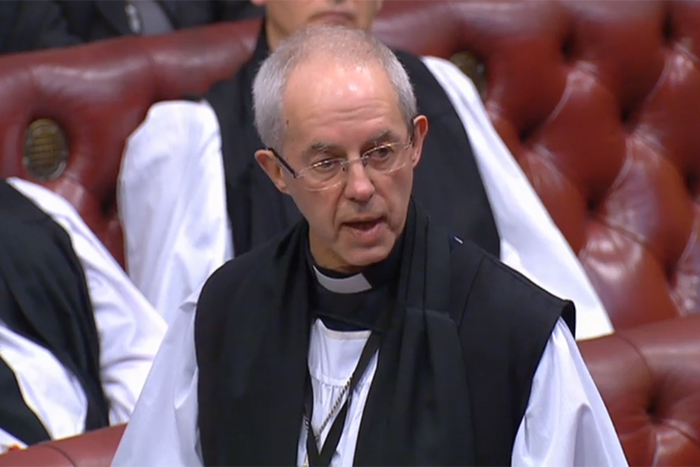
The Archbishop of Canterbury gave a speech in response to a motion to take note of the UK’s position on foreign affairs on 5th March 2024, expressing the hope that peacebuilding would be a focus of the government’s foreign policy:

The Lord Archbishop of Canterbury: My Lords, I join in the tributes to the noble Lord, Lord Ahmad, for his opening and his many distinguished years of service—may he continue in his current position—and to the energy that the noble Lord, Lord Cameron, as Secretary of State, has brought to the present process and this debate.

I want to focus, as the noble Baroness, Lady Smith of Newnham, did, on the means rather than the end. Like many noble Lords here, I was in Ukraine three weeks ago—for about a week, in my case—in Kyiv and Odesa. I was there, coincidentally, at the same time as the head of the European foreign service, and we managed, with some of his staff, accidentally to be in the same bomb shelter at the same time, which gives one an opportunity to talk to people. One of the things that came across was the determination of Europe to protect Ukraine from defeat—to support it. However, in conversations with senior politicians in Ukraine, as well as the most senior religious leaders in that very religious country, the question they put was not just what the West intends and what the UK intends—their warm words about the UK were very striking—but what were the means to those ends. You do not win wars by good intentions.

Continue reading “Archbishop of Canterbury calls for peacebuilding to be prioritised in UK foreign policy”

Bishop of Manchester asks about reforming police recruitment

The Bishop of Manchester tabled a question on the case for reforming police recruitment on 5th March 2024:

The Lord Bishop of Manchester: To ask His Majesty’s Government, following the first report of the Angiolini Inquiry published on 29 February, what assessment they have made of the case for reforming police recruitment.

In begging leave to ask the Question in my name on the Order Paper, I declare my interest as co-chair of the national police ethics committee.

Lord Sharpe of Epsom (Con, Home Office): My Lords, the horrific crimes committed by a then serving police officer shocked the nation and undermined public confidence in the police. My thoughts are with the family and friends of Sarah Everard; I cannot imagine how painful this must be for them. In the years since, the Home Office has worked closely with policing partners to strengthen the way that police officers are recruited, vetted, scrutinised and disciplined. The Government will continue to work with policing partners to consider the findings and recommendations of this report at pace, and will respond fully in due course.

Continue reading “Bishop of Manchester asks about reforming police recruitment”

Bishop of Albans asks about increase in piracy off the Horn of Africa

The Bishop of St Albans received the following written answer on 5th March 2024:

The Lord Bishop of St Albans asked His Majesty’s Government what assessment they have made of the recent increase in piracy off the Horn of Africa.

Lord Benyon (Con, Foreign Office): While the causes of recent maritime incidents in the Horn of Africa are unclear, the UK continues to monitor the situation in the region closely.

Continue reading “Bishop of Albans asks about increase in piracy off the Horn of Africa”