Bishop of St Albans asks about reported instances of stop and search in Hertfordshire

The Bishop of St Albans received the following written answer on 6th February 2023:

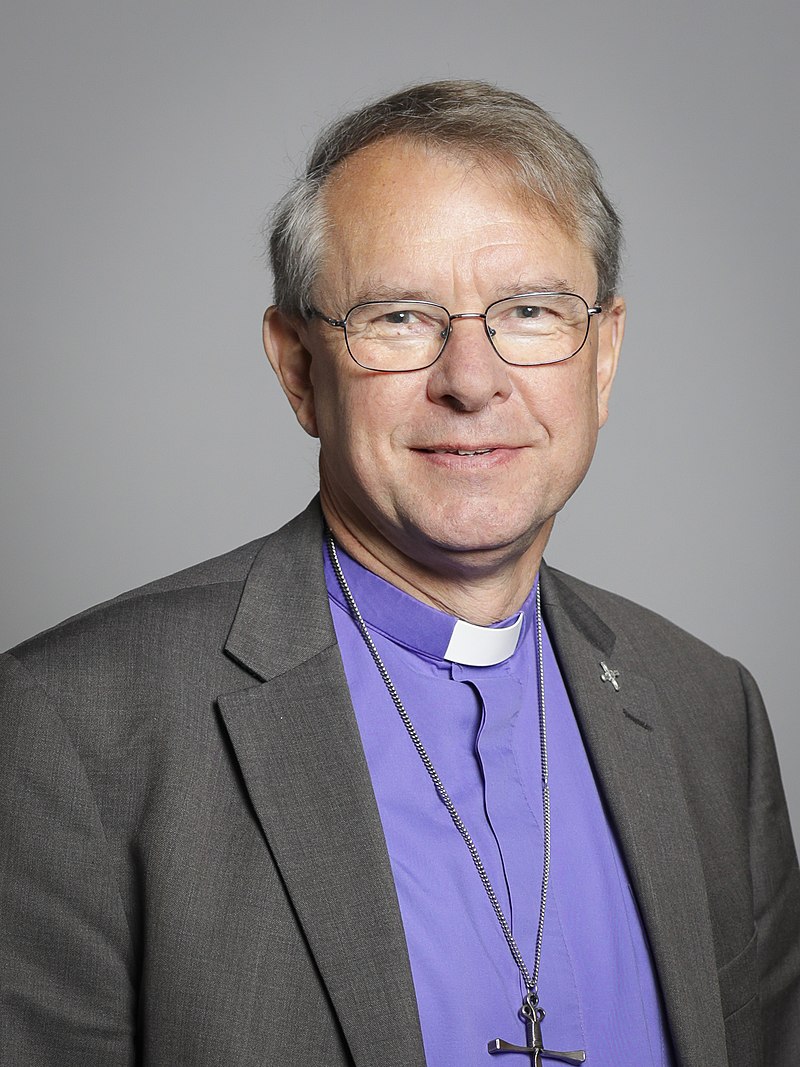
The Lord Bishop of St Albans asked His Majesty’s Government how many reported instances of stop-and-search occurred in Hertfordshire in (1) 2022, (2) 2021, (3) 2020, and (4) 2019.

Lord Sharpe of Epsom (Con): The Home Office collects and publishes stop and search data on a financial year basis. The table below shows the number of stop and searches recorded by Hertfordshire Constabulary in the last four financial years. This includes searches under section 1 of the Policing and Criminal Evidence Act 1984 (and associated legislation) and section 60 of the Criminal Justice and Public Order Act 1994.

Continue reading “Bishop of St Albans asks about reported instances of stop and search in Hertfordshire”

Education (Non-Religious Philosophical Convictions) Bill: Bishop of Southwark speaks on importance of religious education in schools

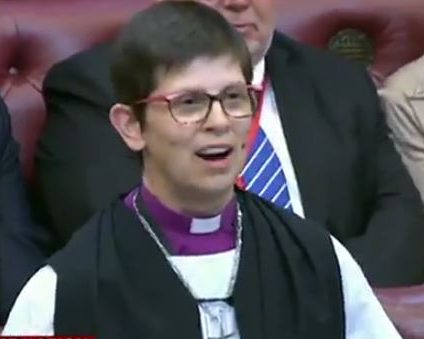
On Friday 3rd February, the House of Lords debated the Education (Non Religious Philosophical Convictions) Bill in its second reading. The bill would introduce provision for “religious worldviews” to replace religious education in some schools. The Bishop of Southwark spoke in the debate, arguing that religious education fills a key place in the curriculum:

The Lord Bishop of Southwark: My Lords, I speak in this debate feeling somewhat like an officer of the Salvation Army commending temperance to a conference of brewers. None the less, while I believe that the noble Baroness, Lady Burt of Solihull, has made some important points introducing this Bill and I am grateful for them, I want to make some general points to gently demonstrate why this proposed measure for RE in schools without a religious character is unnecessary. I am glad to follow the noble Lord, Lord Griffiths of Burry Port, although my view is somewhat different on this occasion from his wisdom and I have no immediate plans to join the British Humanist Association.

First, I stress the value of what remains of religious education within our schools. While the outcomes of education remain a contested area of debate in society, the purpose of education and what it does to us receives much less attention. Too much is assumed in that regard, and that partly informs this Bill. My belief is that human flourishing happens in body, mind and spirit and that education engages us in each of these aspects, which need to be held together holistically.

Continue reading “Education (Non-Religious Philosophical Convictions) Bill: Bishop of Southwark speaks on importance of religious education in schools”

Bishop of London asks about publication of Health Disparities White Paper

The Bishop of London received the following written answer on 3rd February 2023:

The Lord Bishop of London asked His Majesty’s Government whether their new Major Conditions Strategy will include the content of their unpublished Health Disparities White Paper.

Lord Markham (Con): The Major Conditions Strategy will consider major conditions in the round, including disparities due to geography and other factors. Many stakeholders have already responded to government consultations on mental health, dementia, health disparities and cancer. We will draw on the insights and evidence provided through these processes and the Department will set out opportunities to contribute further in due course.

Hansard

Bishop of Manchester asks about government reviews of the Hillsborough Disaster

On 2nd February 2023, the Bishop of Manchester asked that the government ensure that the families of the victims of the Hillsborough disaster informed and consulted regarding any future reviews and responses, following a commons urgent question on the police response to Bishop James Jones’ report on the disaster:

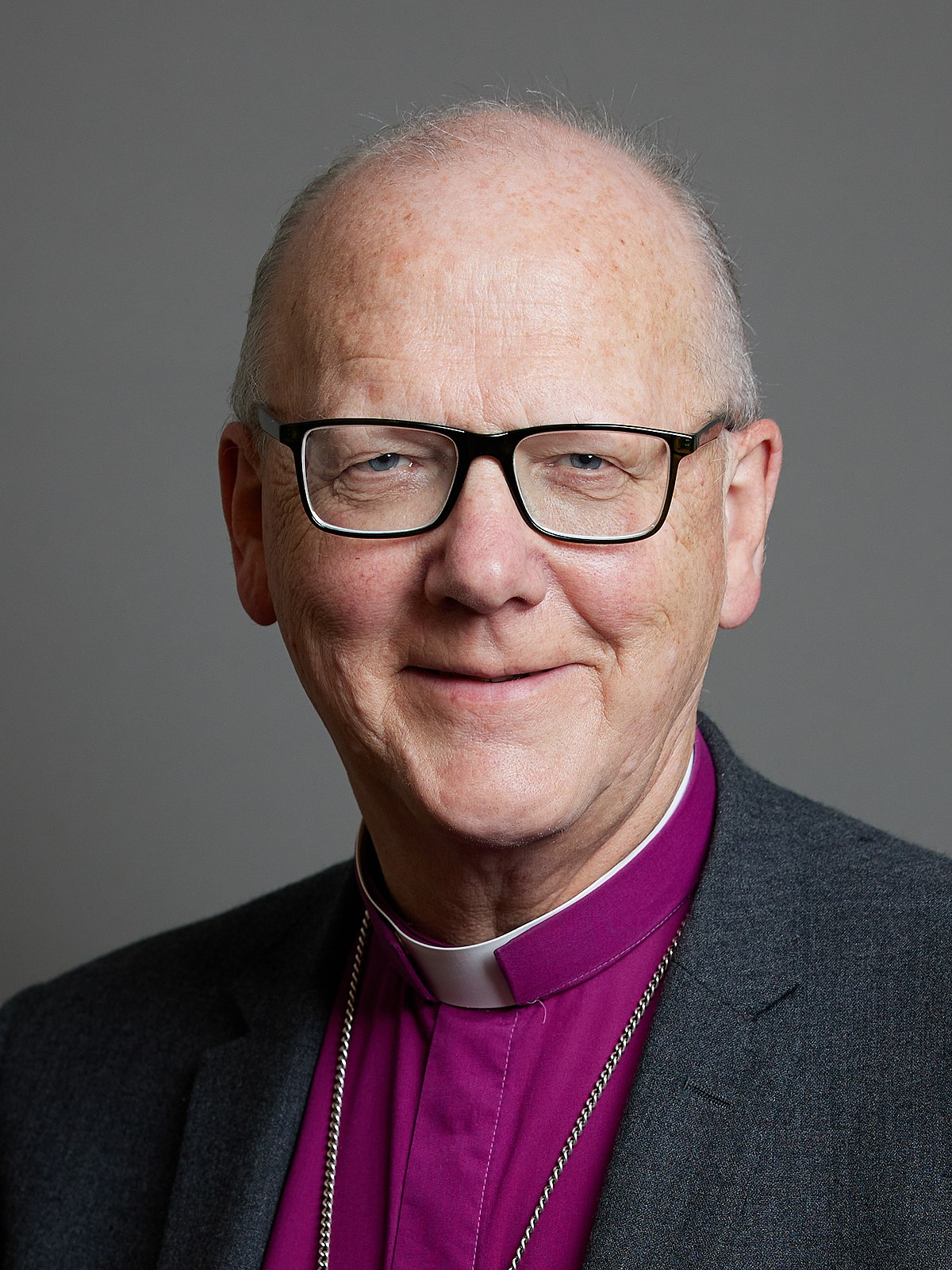
The Lord Bishop of Manchester: My Lords, I echo tributes to my friend, the former Bishop of Liverpool. As a young priest 34 years ago, I was summoned to Hillsborough to support bereaved families in the immediate aftermath. That the Hillsborough families were not fully consulted in October last year when the Home Office announced an independent review is, I fear, deeply regrettable. Will the Minister now commit to ensuring that the Hillsborough families remain consulted, engaged and at the heart of the Government’s response from this point on?

Continue reading “Bishop of Manchester asks about government reviews of the Hillsborough Disaster”

Bishop of Manchester asks about facial recognition technology

The Bishop of Manchester asked a question on facial recognition technology during a debate on the impacts and use of CCTV in the UK on 2nd February 2023:

The Lord Bishop of Manchester: My Lords, I declare my interest as chair of the Greater Manchester Police independent ethics committee. Can the Minister tell us what the Government’s assessment is of the use of CCTV in conjunction with live facial recognition technology by police across the UK, and what legal safeguards are in place to ensure that fundamental rights are upheld?

Continue reading “Bishop of Manchester asks about facial recognition technology”

Online Safety Bill: Bishop of Oxford speaks on risks to vulnerable adults

On 1st February 2023, the House of Lords debated the Online Safety Bill in its second reading. The Bishop of Oxford spoke in the debate , raising the importance of risk assessments of harm to adults, the independence of Ofcom, and the dangers of technology facilitated crime & domestic abuse:

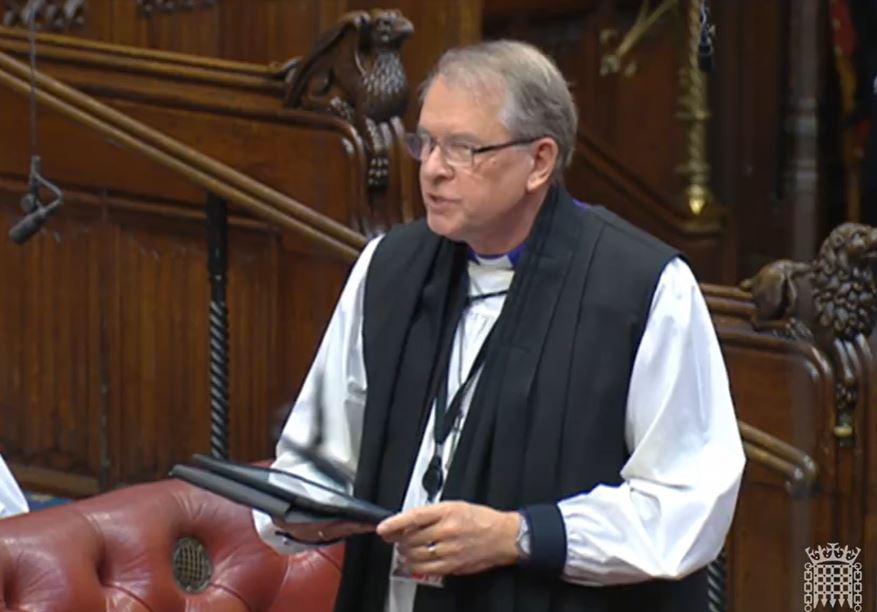
The Lord Bishop of Oxford: My Lords, it is an honour and privilege to follow the noble Baroness, Lady Campbell, and all those who have spoken in this debate. As a member of your Lordships’ Committee on Artificial Intelligence and a founding member of the Centre for Data Ethics and Innovation, I have followed the slow progress of this Bill since the original White Paper. We have seen increasing evidence that many social media platforms are unwilling to acknowledge, let alone prevent, harms of the kind this vital Bill addresses. We know that there is an all too porous frontier between the virtual world and the physical world. The resulting harms damage real lives, real families, and real children, as we have heard.

There is a growing list of priority harms and now there is concern, as well as excitement, over new AIs such as ChatGPT; they demonstrate yet again that technology has no inherent precautionary principles. Without systemic checks and balances, AI in every field develops faster than society can respond. We are and for ever will be catching up with the technology.

The Bill is very welcome, marking as it does a belated but important step towards rebalancing a complex but vital aspect of public life. I pay tribute to the Government and to civil servants for their patient efforts to address a complex set of ethical and practical issues in a proportionate way. But the job is not yet fully done.

Continue reading “Online Safety Bill: Bishop of Oxford speaks on risks to vulnerable adults”

Online Safety Bill: Bishop of Manchester highlights need for regulatory cooperation and importance of child protection

On 1st February 2023, the Bishop of Manchester spoke in a debate on the Online Safety Bill in its second reading, encouraging the government to introduce a duty to cooperate for regulators, and highlighting issues of child protection:

The Lord Bishop of Manchester: My Lords, that is not an easy speech to follow, but I begin by declaring my interest as a Church Commissioner, as set out in the register. We have substantial holdings in many of the big tech companies. I am also vice-chair of the Church of England Ethical Investment Advisory Group. I commend the attention of noble Lords to our recent report on big tech that was published last September. There, we set out five core principles that we believe should guide our investment in and engagement with big tech companies: flourishing as persons, flourishing in relationships, standing with the marginalised, caring for creation and serving the common good. If we apply those principles to our scrutiny of this Bill, we will not only improve lives but save lives.

I will focus my remaining remarks on three areas. First, as the noble Baroness, Lady Merron, and the noble Lord, Lord McNally, have noted, the powers granted to the Secretary of State to direct Ofcom on its codes of practice and provide tactical and strategic guidance put Ofcom’s independence at risk. While I recognise that the Government have sought to address these concerns, more is required—Clauses 39 and 157 are not fit for purpose in their present form. We also need clear safeguards and parliamentary scrutiny for Secretary of State powers in the Bill that will allow them to direct Ofcom to direct companies in whatever we mean by “special circumstances”. Maintaining Ofcom’s autonomy in decision-making is critical to preserving freedom of expression more broadly. While the pace of technological innovation sometimes requires very timely response, the Bill places far too much power in the hands of the Secretary of State.

Continue reading “Online Safety Bill: Bishop of Manchester highlights need for regulatory cooperation and importance of child protection”

Bishop of Manchester asks about changes needed to address criminality within the police

The Bishop of Manchester asked a question on how the government plan to realise the turnaround priorities set out by the new police commissioner, during a debate on criminality within the Metropolitan Police on 1st February 2023:

The Lord Bishop of Manchester: My Lords, this is more than a series of bad apples; I am sure that there is something rotten in the culture and structures in policing that comprehensively and immediately needs to be addressed. We have the nine turnaround priorities that the new police commissioner has set out. Can the Minister set out how the Government will assist with and ensure those priorities are realised as a matter of urgency?

Continue reading “Bishop of Manchester asks about changes needed to address criminality within the police”

Bishop of London asks about development of healthcare strategies

The Bishop of London received the following written answer on 1st February 2023:

The Lord Bishop of London asked His Majesty’s Government what the consultation process will be in the development of their Major Conditions Strategy.

Lord Markham (Con): Through the Retained EU Law (Revocation and Reform) Bill, the Government is currently reviewing which retained European Union law should be repealed, reformed or preserved. The Government continues to work with a range of stakeholders to ensure that current standards in patient safety and public health are maintained.

Hansard

Bishop of St Albans asks about medical treatment for problem gambling

The Bishop of St Albans received the following written answer on 1st February 2023:

The Lord Bishop of St Albans asked His Majesty’s Government what assessment they have made of the efficacy of medication, such as paroxetine, for the treatment of problem gambling.

Lord Markham (Con): Whilst no specific assessment has been made, the National Institute of Health and Care Excellence is developing a clinical guideline for the treatment of harmful gambling. This will cover psychological and psychosocial interventions as well as pharmacological treatments, with publication expected in early 2024.

Hansard