On 24th May Baroness Tonge asked Her Majesty’s Government “whether they intend to provide support to the Palestinian Authority in its complaint against Israel to the Committee on the Elimination of Racial Discrimination; and if so, how”. The Bishop of Worcester, Rt Revd John Inge, asked a follow-up question:

The Lord Bishop of Worcester: My Lords, while argument goes on internationally about who was responsible for what happened in Gaza, is the Minister aware of the enormous suffering that continues there, particularly since the dreadful events of a little while ago? At the Al-Ahli Arab Hospital, run by the Anglican Church in Gaza, for example, the situation is described as critical. Is the Minister aware of that? What humanitarian aid is being provided to the people of Gaza at present, particularly to those injured? Continue reading “Bishop of Worcester raises critical situation of Anglican-run hospital in Gaza”

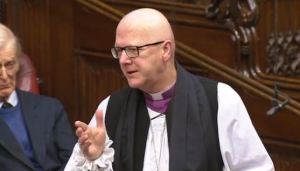
 On 5th June 2018, the Bishop of Durham, Rt Revd Paul Butler, received a response to a written question about the UK Government’s representations to the government of Burundi:
  On 4th June 2018 the Bishop of St Albans, the Rt Revd Alan Smith, received a written answer to a question about the Forestry Commission:
 On 4th June 2018 Lord Storey asked Her Majesty’s Government “what assessment they have made of the impact of education, health and care plans on children with special educational needs.” The Bishop of Carlisle, the Rt Revd James Newcome, asked a follow up question:
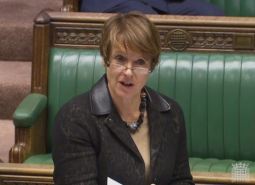 On 30th May 2018, Dame Caroline Spelman, the Second Church Estates Commissioner, answered a written question from Bob Blackman, the Conservative Member for Harrow East, about the Church’s view of the Government’s consultation on out-of-school education settings:
 This week in the House of Lords the Bishop of London was introduced and took her seat on the Bishops’ Benches. Bishops also asked questions about religious literacy in Government, the UK Shared Prosperity fund, and support for hospitals and injured protesters in Gaza.
 The
The 
 The Lord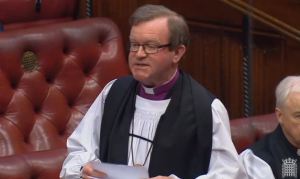
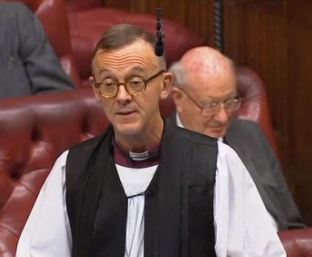 On 21st May 2018, Lord Ahmed tabled an Oral Question ‘To ask Her Majesty’s Government what steps they are taking to encourage Iran and Saudi Arabia to work together to bring peaceful solutions to the conflicts in Syria and Yemen.’ The Bishop of Worcester, the Rt Revd Dr John Inge, asked a follow up question:

You must be logged in to post a comment.