The following letter, expressing concern about the consequences of the two-child limit policy for children and families was signed by sixty bishops (including nineteen Lords Spiritual) and representatives from other denominations and faiths. It appeared in The Times newspaper on 6th April 2018.
The publication of the letter coincided with the release of a report from the End Child Poverty Coalition assessing the impact of the policy, which was introduced in April 2017. The accompanying press release from the Coalition can be accessed here, and the Church of England’s media notice is available here.
The Bishop of Durham, Rt Revd Paul Butler, published a blog on the Church of England’s website on the same day, the full text of which is also reproduced below.

Two-child limit on Universal Credit
Sir, Today the “two-child limit” policy, which restricts tax credit and universal credit to the first two children in a family, has been in place for a year. The policy is making it harder for parents to achieve a stable and resilient family life. By 2021, 640,000 families will have been affected. Most are low-earning working families, most have three children and some will have made decisions about family size when they were able to support children through earnings alone, but later claimed tax credits or universal credit after bereavement, redundancy, separation, disability, illness or simply low pay. Continue reading “Bishops highlight consequences of the two-child limit in letter to The Times and blog post”

 On 16th April the Earl of Courtown repeated a statement that had been made by the Home Secretary on the issue of the Windrush generation and their immigration status. The Bishop of Coventry, the Rt Revd Christopher Cocksworth, spoke in response:
 On the 12th April the Bishop of St Albans the Rt Revd Alan Smith received an answer to his question about forced marriage.
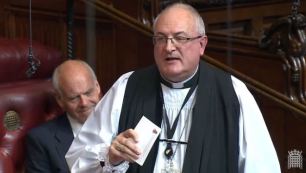 On the 12th April the Bishop of Ely, the Rt Revd Stephen Conway received a written answer to his question about teacher recruitment in rural areas.
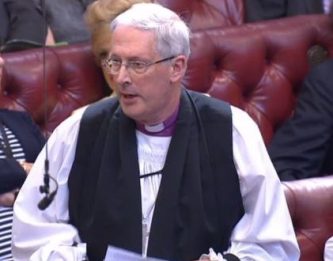 On the 9th April 2018 the Bishop of Southwark, the Rt Revd Christopher Chessun, received written answers to three questions about Syria:
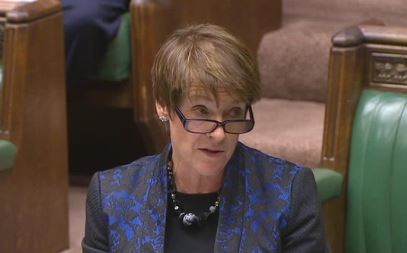 On the 29 March 2018 the Second Church Estates Commissioner, Rt Hon Dame Caroline Spelman MP answered a written question from the Rt Hon Tim Farron MP about the Church Commissioners extractive industries policy and ethical investment.
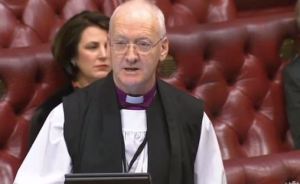 On 26th March 2018 the House of Lords continued with its consideration of the Government’s EU (Withdrawal) Bill in committee. Baroness Butler-Sloss introduced an amendment after clause 11, regarding the maintenance of status quo rights and arrangements in Gibraltar. The Bishop of Leeds, Rt Revd Nick Baines, spoke during the debate on the amendment:

You must be logged in to post a comment.