
 On 25th July 2019 the House of Lords debated a motion from Lord Farmer (Con) that the House “takes note of the needs of women in the criminal justice system”. The Bishop of Rochester contributed to the debate:
The Lord Bishop of Rochester: My Lords, I thank the noble Lord, Lord Farmer, for obtaining this debate and for his unstinting efforts in this area, not least the welcome emphasis in his most recent report on relationships, which he expounded so clearly when introducing this debate.
I am sorry that the right reverend Prelates the Bishop of Gloucester and the Bishop of Newcastle are not in their places today, because they both take a very close and informed interest in the issues around women in the criminal justice system. However, I have visited a good number of women’s prisons over the last few years and, in making those visits, I have been both shocked and inspired.
Continue reading “Bishop of Rochester highlights needs of vulnerable women prisoners”
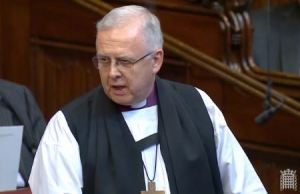 The Lord Bishop of Peterborough: My Lords, I thank the Minister for the answers he has given so far and for the Government’s investment. In the city of Peterborough we have seen, as in many other places, a large increase in rough sleeping. The third sector groups, including the churches, have been doing a great deal to support rough sleepers, but one of the problems we are very conscious of is how tight money is for local government. Does he agree that local government financial settlements could be part of the solution, with targeted money to local government specifically to help rough sleepers?
 On 21st February 2019 the Second Church Estates Commissioner, Rt Hon Dame Caroline Spelman MP, answered three written questions from MPs, on Christian persecution overseas, homelessness, and married couples’ tax allowances.
 On the 8th March the Second Church Estates Commissioner, the Rt Hon Dame Caroline Spelman MP answered written and oral questions in the House of Commons. Questions covered a range of issues including the Church Investors Group, digital connectivity, environmental taxation, homelessness, the Holy Sepulchre, church infrastructure and financial education in church schools.
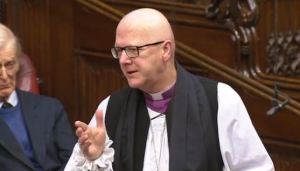 On 10th January 2018 the Bishop ofSt Albans, Rt Revd Alan Smith, received a written answer to two questions on rough sleeping in London by care leavers and ex-offenders:
 On January 8th 2018 the Bishop of St Albans, Rt Revd Alan Smith, received written answers to three questions on homelessness, welfare reform and empty homes:
 On the 19th December the Bishop of St Albans, the Rt Revd Alan Smith asked a question he had tabled to Government on homelessness:

You must be logged in to post a comment.