
The Bishop of St Albans spoke in a debate on financial stability on 3rd November 2022, focusing on the effects of the current financial situation and cost of living crisis on low-income workers and on pensioners:
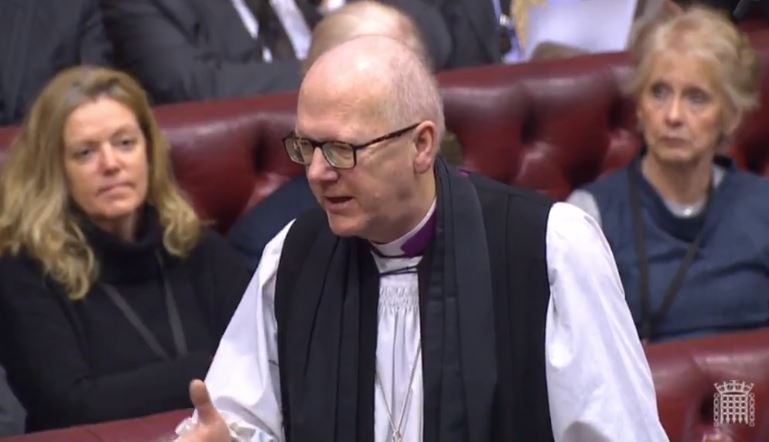
The Lord Bishop of St Albans: My Lords, we are living in challenging times, with inflation rates at a 40-year high. Turbulence in the financial markets, with higher interest rates and larger mortgage payments, is adversely affecting people in all walks of society. With the wholesale price of energy and gas increasing due to Putin’s appalling and illegal invasion of Ukraine, it is vital that His Majesty’s Government do all they can to protect renters, those with mortgages and, of course, pensioners.
To put a human face to this debate, I thought it might be worth while just quoting one of a number of emails I have received from communities in my diocese this very week. One person emailed me on Friday: “In my role as chair of a food bank, we are having to make decisions around both frightening increases in demand and a growing decline in donations. This summer, we increased our warehouse capacity to handle food for somewhere around 500 food parcels a day. The problem is in-work poverty which is growing substantially. In the past few weeks, we have been approached by a hospital, a large business, schools and a local council about whether they can refer low-paid staff to us.” He went on: “Apparently, employers are not prepared to talk about the problem of in-work poverty, feeling ashamed. They would like to raise wages and want the best staff welfare but can’t because that would move them into a deficit budget.” The human reality of what we are facing is stark. Unfortunately, the mini-Budget of 23 September made a challenging financial climate much worse.
Continue reading “Bishop of St Albans speaks about the challenges facing pensioners and low-income workers”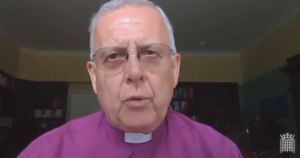 The Lord Bishop of Peterborough [V]: My Lords, David Cameron, under whose premiership the new rules came in, has admitted that the current situation is a mistake and was not intended. It is manifestly unjust and betrays those who have served our country. The ridiculous rule that people could rectify the situation by divorcing and then remarrying undermines the institution of marriage. Does this not make it entirely justifiable to overturn, or at least suspend, the policy to which the Minister refers?
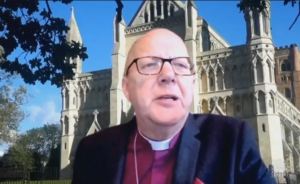 On 27th October 2020 the House of Lords considered the Government’s Social Security (Up-rating of Benefits) Bill in Committee. The Bishop of St Albans supported an amendment on reporting impacts on pensioner poverty: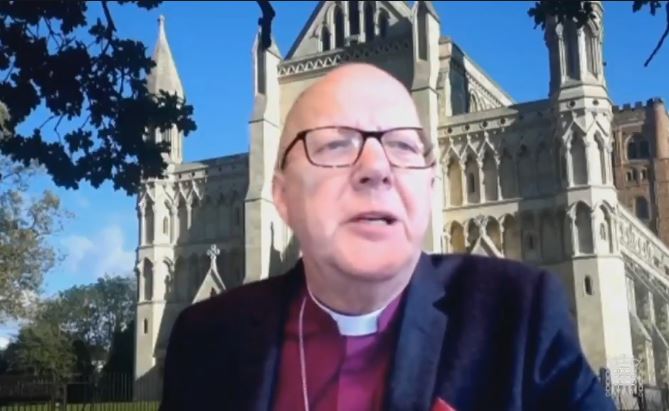
 On 23rd September 2020 the House of Lords was asked to approve the Government’s Restriction of Public Sector Exit Payments Regulations 2020. The Bishop of Worcester, Rt Revd John Inge, spoke in the debate, highlighting the negative consequences of the Regulations for the pensions of longstanding and lower paid public sector workers:
 On 25th February 2020 Baroness Crawley asked the Government, “further to the announcement by the then Prime Minister on 8 November 2014, what plans they have to reinstate the war widows’ pension for those widows who were required to surrender that pension due to marriage or cohabitation.” The Bishop of Peterborough, Rt Revd Donald Allister, asked a follow up question:
 On 6th February 2019 Rt Revd Paul Butler, Bishop of Durham, received a written answer to a question about Police widows pension entitlements.
  The Archbishop of York: My Lords, I just wanted to ask the Minister: how much consultation was undertaken with industry before the first regulations were produced? Did industry suggest, rightly, that this would cause trouble for the Pensions Regulator and others because it was bigger than just the United Kingdom?
 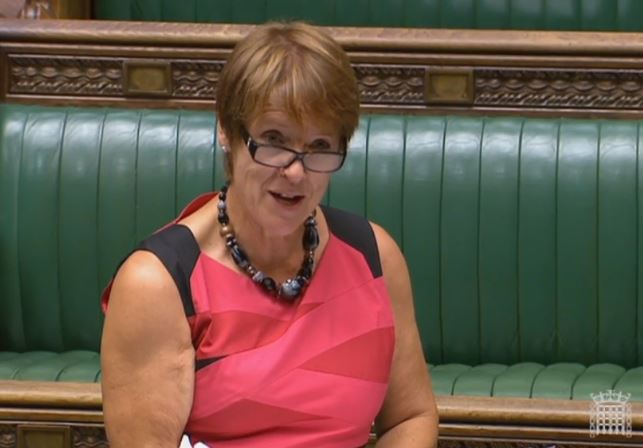 On the 11th December 2018 the Second Church Estates Commissioner, Rt Hon Dame Caroline Spelman MP introduced four Church of England Measures to the House of Commons Delegated Legislation Committee. The Committee approved the Measures following discussion.

You must be logged in to post a comment.