Police, Crime, Sentencing and Courts Bill: Bishop of Manchester expresses concern over increased police powers

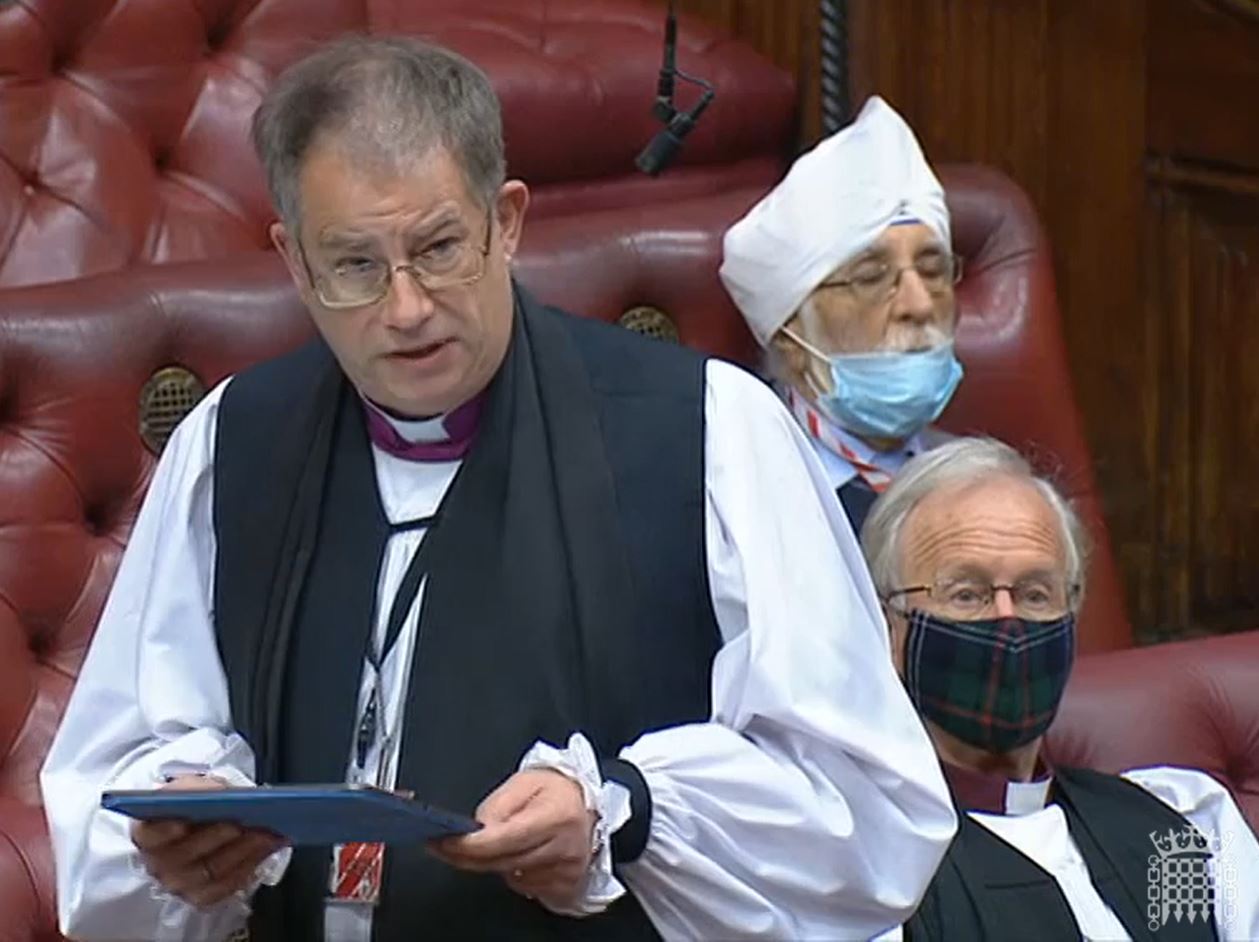
The Bishop of Manchester spoke in a debate on the Police, Crime, Sentencing and Courts Bill on 14th September 2021, expressing concern over the increased police powers relating to protest and approaches to Gypsy, Roma and Traveller Communities:
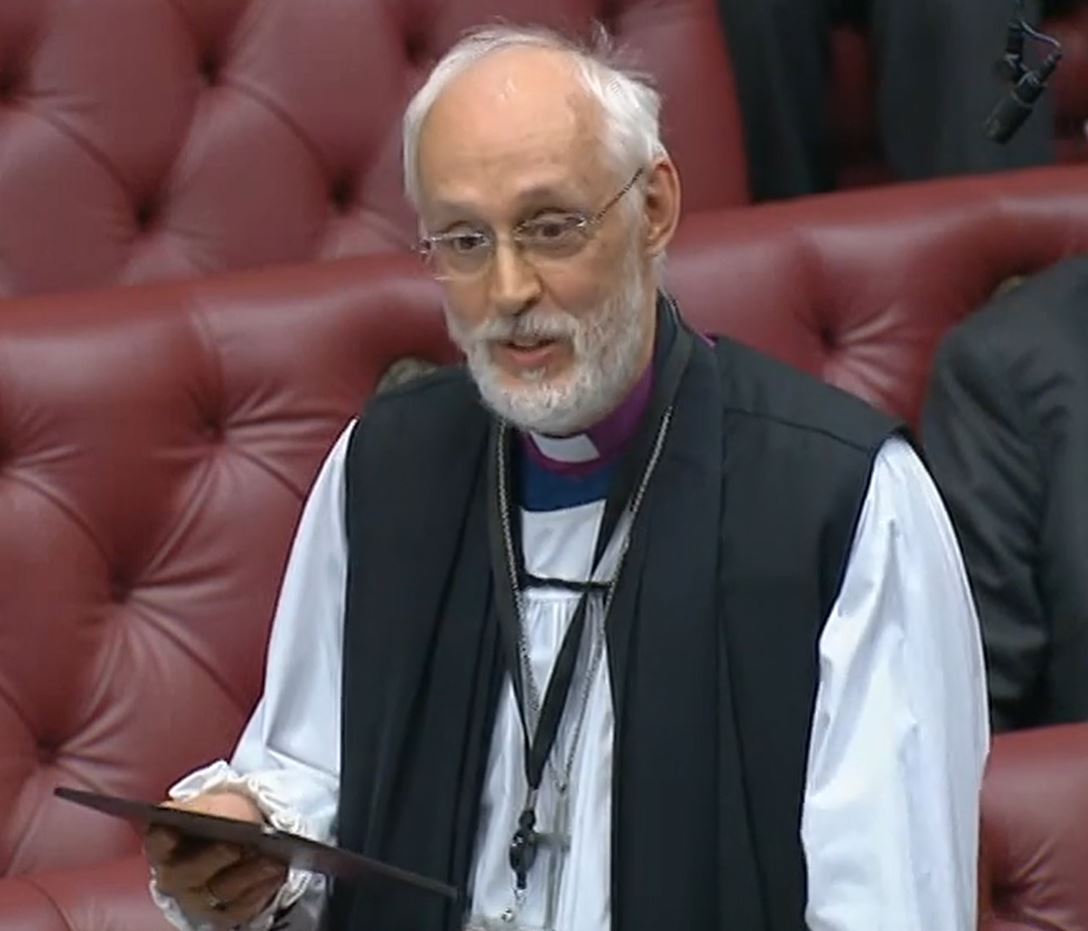
The Lord Bishop of Manchester: My Lords, I draw the House’s attention to my interests as set out in the register, particularly in the world of policing as a trustee of the Clink Charity.

Two centuries ago, in the aftermath of the Peterloo massacre, where a politically motivated militia killed and maimed dozens of citizens who were protesting for voting rights in Manchester city centre, Robert Peel introduced the principles of civilian policing. Those principles have served this country with distinction ever since. British police are civilians in uniform, not agents of state control. Their calling is to police by consent, enabling the public to exercise their rights and freedoms as well as maintaining good order. It is a delicate balance. It requires Governments to stay their hand when proposing legislation and senior police officers to guard their operational independence. It is especially sensitive when the rights of citizens to protest come into the frame.

Continue reading “Police, Crime, Sentencing and Courts Bill: Bishop of Manchester expresses concern over increased police powers”
Police, Crime, Sentencing and Courts Bill: Bishop of Blackburn calls for greater recognition of faith communities

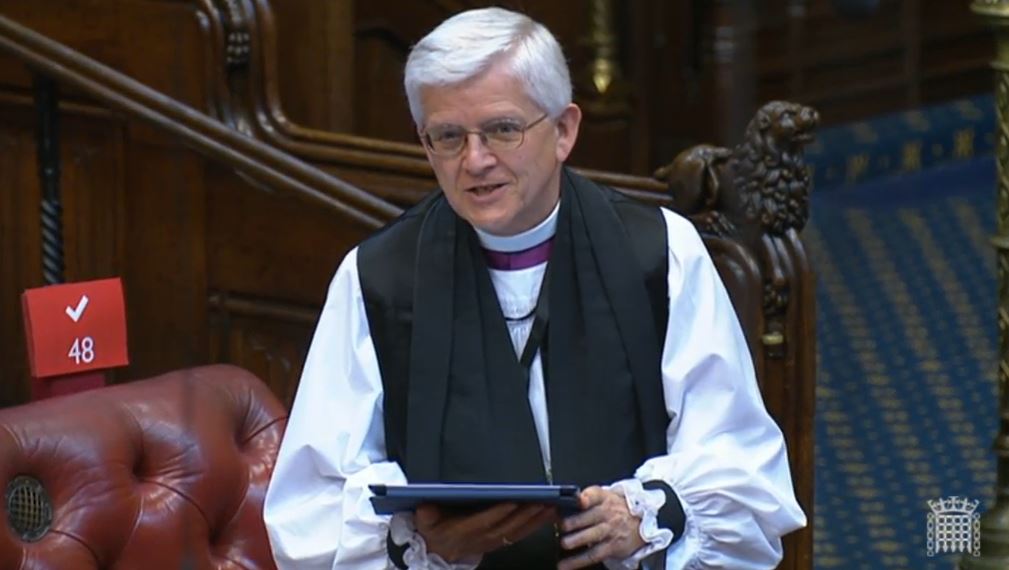
The Bishop of Blackburn spoke in a debate on the second reading of the Police, Crime, Sentencing and Courts Bill, noting the lack of reference to faith communities and calling for more recognition for those communities in the bill:

The Lord Bishop of Blackburn: My Lords, I offer to the noble Lord, Lord Sandhurst, my congratulations on his maiden speech. We are glad to welcome him to this House.

With so many words in this wedge of a Bill, it is easy to forget that we are talking about people—as someone said earlier, real people—and the potential consequences for real lives. There is a huge responsibility, therefore, to get these details right, for both the police and the public. The noble Baroness, Lady Chakrabarti, is right, that deep scrutiny is needed here in this House. An example of the wide range of the Bill and the important but almost impossible nature of covering all of its detail is that, although my friend the right reverend Prelate the Bishop of St Albans is unable to attend today’s proceedings, he has asked me to relay his intention to amend the Bill in Committee, to strengthen the ability of the police to deal with the issue of hare coursing. That is something to look forward to.

Continue reading “Police, Crime, Sentencing and Courts Bill: Bishop of Blackburn calls for greater recognition of faith communities”

Police, Crime, Sentencing and Courts Bill: Bishop of Gloucester speaks on need for “restorative, responsible, and relational” criminal justice system

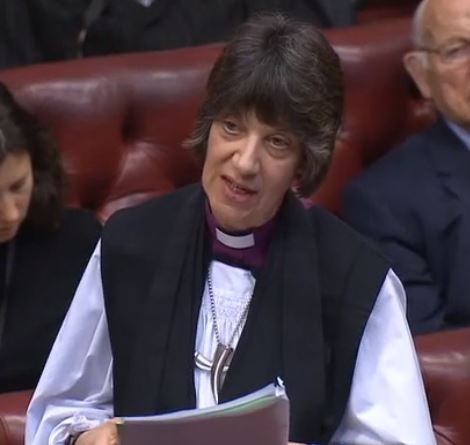
On 14th September 2021, the Police, Crime, Sentencing and Courts Bill had its second reading in the House of Lords. The Bishop of Gloucester spoke in response to the bill, expressing concern over the effects of the bill on women and children and calling for a “restorative, responsible, and relational” approach to criminal justice:

The Lord Bishop of Gloucester: My Lords, I am grateful for the varied contributions heard today from noble and learned Lords, many of whom have vast experience in this area. I declare an interest as Anglican Bishop to Her Majesty’s Prisons in England and Wales and as president of the Nelson Trust.

As a Lord spiritual rooted in Christian hope, I look for a criminal justice system which is restorative, responsible and relational, and which is effective in focusing holistically on prevention and rehabilitation as well as appropriate conviction and punishment.

There are some welcome proposals within this very long Bill. These include community and diversionary cautions, problem-solving courts and additional support for employment for ex-offenders. There are other aspects that raise concern, and I will name just a few of them: increasing sentence lengths, police-led diversion, sentencing of mothers, racial disparities and young offenders.

Continue reading “Police, Crime, Sentencing and Courts Bill: Bishop of Gloucester speaks on need for “restorative, responsible, and relational” criminal justice system”

Environment Bill: Bishop of Manchester urges increased protection for ecological sites

On 13th September 2021, the House of Lords debated the Environment Bill in the third day of the report stage. The Bishop of Manchester spoke in the debate, advocating for limits on government powers to reduce terms of protection for ecological sites:

The Lord Bishop of Manchester: My Lords, I draw attention to my interest as a Church Commissioner, as set out in the register, and I wish to support what the noble Baroness just said: 30 years is rather a short period of time. I am grateful for the way the Minister, in proposing Amendments 86 and 88, is showing us the possibility of some flexibility in the future, but may I just tempt him a little further?

Continue reading “Environment Bill: Bishop of Manchester urges increased protection for ecological sites”

Votes: Environment Bill

On 13th September 2021, the House of Lords debated the Environment Bill in the report stage. Votes were held on amendments to the bill, in which Bishops took part:

Continue reading “Votes: Environment Bill”

Bishop of Blackburn tables question on gambling in the military on behalf of the Bishop of St Albans

On 13th September 2021, the Bishop of Blackburn tabled a question on gambling disorders in the military on behalf of the Bishop of St Albans:

The Lord Bishop of St Albans: To ask Her Majesty’s Government what plans they have to legislate (1) to require annual medical screening questions related to gambling disorder in the military, and (2) to annually assess the prevalence of gambling disorder among members of the armed forces.

The Lord Bishop of Blackburn: My Lords, with the leave of the House, I ask the Question standing on the Order Paper in the name of my colleague the right reverend Prelate the Bishop of St Albans.

Continue reading “Bishop of Blackburn tables question on gambling in the military on behalf of the Bishop of St Albans”

Church Commissioners Written Questions: Church Maintenance and Repairs

On 13th September 2021, Andrew Selous MP, representing the Church Commissioners, gave the following written answers to questions from an MP:

Alexander Stafford MP (Con, Rother Valley): To ask the Member for South West Bedfordshire, representing the Church Commissioners, what most recent financial estimates the Church of England holds on the outstanding cost of fabric repairs to its parish churches.

Continue reading “Church Commissioners Written Questions: Church Maintenance and Repairs”

Education (Assemblies) Bill: Bishop of Oxford urges against removal of collective worship in schools

On 10th September 2021, the House of Lords debated the Education (Assemblies) Bill at its second reading. The Bishop of Oxford spoke in response to the bill, welcoming the debate on the topic, but opposing the proposed removal of the requirement for collective worship in schools:

The Lord Bishop of Oxford: My Lords, I warmly welcome this debate. As others have said, it is very timely that it is raised. I thank the noble Baroness, Lady Burt, for her careful introduction, and other noble Lords and noble Baronesses who have spoken, particularly my distinguished predecessor but one, the noble and right reverend Lord, Lord Harries, with whom I think I am about to disagree.

Worship and spirituality are a vital part of what it means to be human, and it is absolutely right, for all the reasons that have been given, that it be carefully reviewed and, possibly, that some changes should be introduced. But my reason for in conscience finding this Bill difficult goes back to my experience of leading assemblies as a local parish priest many years ago in Halifax. I put a great deal of time and energy into rehearsing the parable of the good Samaritan and the stories of Joseph and Moses, only for the otherwise extremely good and gifted head teacher of the school to reinterpret my assembly with the phrase, “Of course, what the vicar really means is don’t run in the corridors, and pick up the litter in the playground.” It is the reduction, without a serious faith tradition, of the fantastic values that are being articulated, to simple practical motifs which I fear is the danger of a Bill like this.

Continue reading “Education (Assemblies) Bill: Bishop of Oxford urges against removal of collective worship in schools”

Status of Workers Bill: Bishop of St Albans supports greater protection for workers

On 10th September 2021, the House of Lords debated the Status of Workers Bill in its second reading. The Bishop of St Albans spoke in support of the bill, which would seek to introduce greater protection for workers classified as “contractors” in the gig economy:

The Lord Bishop of St Albans: My Lords, I too congratulate the noble Lord, Lord Hendy, on tabling this Private Member’s Bill. It echoes the Judaeo-Christian teaching that workers deserve proper remuneration, and I support it.

I recognise that there are many advantages in having a flexible labour market which allows for individuals to tailor their work to their lifestyles. However, I and I know many others take issue with those times when employers curtail other people’s rights in an exploitative manor to reduce benefits costs. The Taylor review’s suggestion of replacing the category of working with a more positively defined “dependent contractor” was a positive step in preventing companies from unscrupulously categorising an employee as a worker while elevating the bogus self-employed into this category along with the increased rights it affords and the national insurance contributions that would accompany it.

Continue reading “Status of Workers Bill: Bishop of St Albans supports greater protection for workers”

Bishop of Gloucester raises issues of food poverty in debate on universal credit uplift

The Bishop of Gloucester spoke in a debate on the proposed removal of the universal credit uplift on 9th September 2021, with reference to the impact such a decision would have on levels of food poverty in the UK:

The Lord Bishop of Gloucester: I am grateful to the noble Baroness, Lady Tyler, for introducing this important debate, and I declare my interest as a trustee of Feeding Britain. I will focus my time on the impact that withdrawing the £20 uplift will have on food poverty. More than 500 anti-poverty workers, volunteers and supporters within the Feeding Britain network have signed a petition calling on the Government not to remove the increase, and that petition will be delivered to No. 10 in about an hour.

Continue reading “Bishop of Gloucester raises issues of food poverty in debate on universal credit uplift”