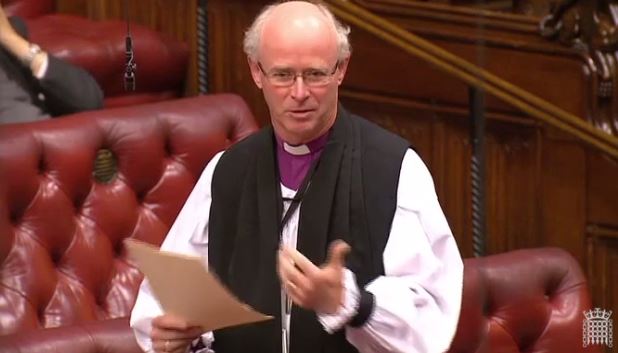
On 17th October 2017 the House of Lords debated a Report from the Lords Communications Committee, A privatised future for Channel 4? (1st Report, Session 2016–17, HL Paper 17). The Bishop of Chelmsford, Rt Revd Stephen Cottrell, a member of the Committee, spoke in the debate. He focused on the need for proper diversity in public service broadcasting and for Channel 4 to invest more in programmes for children and young people. He also joined others in resisting calls for privatisation and questioned the logic of relocation from London:
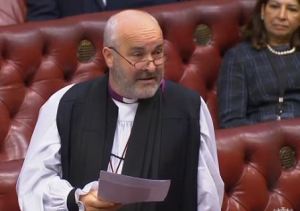 The Lord Bishop of Chelmsford: My Lords, I, too, am a member of the House of Lords Communications Committee. We normally meet on a Tuesday afternoon, so it is nice to have our meeting through the medium of this debate, in which members past and present can speak to each other. I thank other noble Lords for joining in as well. I also want to pay tribute to the noble Lord, Lord Best, for the wise and winsome way he chaired the committee for three years and, in particular, for helping us to produce this report, which we dare to think has made a bit of a difference.
To put it simply, there is nothing quite like Channel 4. I realise that some people may think that bishops arrive fully formed, like ships in full sail, from a production line over the river at Lambeth, but all of us have other lives both past and present. In my early 20s I worked for several years in the film industry and saw at first hand the huge boost that was made to British film by Channel 4. Continue reading “Bishop of Chelmsford – Channel 4 should stay public, must invest more in diversity, programmes for children”

 The Lord Bishop of Rochester: My Lords, I, too, welcome this report and I am very grateful to the noble Lord, Lord Farmer, and his team for producing it and for providing the opportunity for this debate today. The report itself, as noble Lords who have read it will know, is comprehensive, cogently argued, full of detailed supporting material and, importantly, highlights a number of innovative responses in various places across the prison estate. In summary, a clear case is made for nurturing healthy relationships for those in prison and the connection between that and rehabilitation and reoffending.
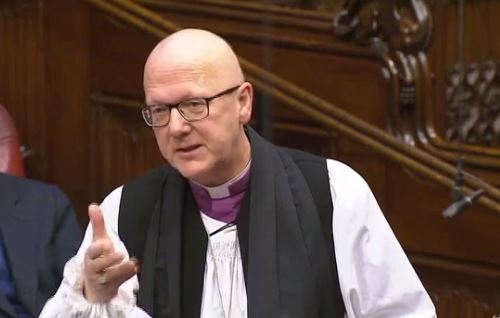

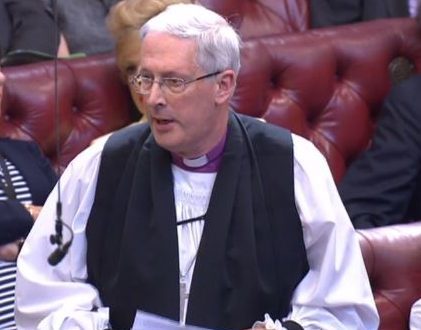
 The Lord Bishop of Newcastle


You must be logged in to post a comment.