
On 16th March 2017 the House of Lords debated a Government motion “To move that this House takes note of the United Kingdom’s relationship with the Commonwealth, ahead of the United Kingdom hosting the Heads of Government meeting in 2018.” The Bishop of Derby, Rt Revd Alastair Redfern, spoke in the debate:
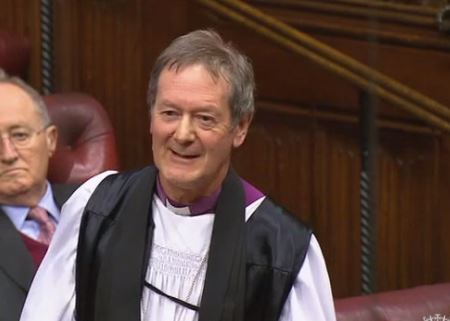 The Lord Bishop of Derby: My Lords, I thank the noble Baroness, Lady Anelay for her introduction and her leadership in international development matters and, now, the Commonwealth. I want us to think of the Commonwealth as a global community which, like any community, will have very mixed ingredients, as we have already heard. Although it is important in our present moment to look at the potential for trade and its enriching, I want us to look at the wider context in which the meeting is happening and what the agenda for the Heads of Government might be to be fruitful. Continue reading “Bishop of Derby on role of the Commonwealth in development and modelling diversity”
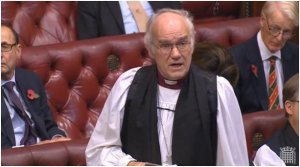 On 15th March 2017, a statement by the Chancellor of the Exchequer on national insurance contributions was repeated in the House of Lords. The Bishop of Chester, the Rt Revd Peter Forster, responded to the statement.
 On 14th March 2017, Baroness Finlay of Llandaff led a short debate on the question of ‘how the Government intends to ensure that Clinical Commissioners respect the undertakings made in Our Commitments to You for End of Life Care: The Government Response to the Review of Choice in End of Life Care’. The Bishop of Durham, the Rt Revd Paul Butler spoke in the debate, paying tribute to the importance of chaplaincy to end of life care.
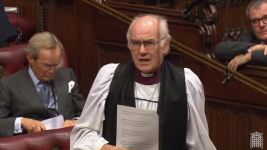 On 14th March 2017, the Commercial Secretary to the Treasury, Baroness Neville-Rolfe, moved that this House takes note of the economy in the light of the Budget Statement. The Bishop of Chester, the Rt Revd Peter Forster, spoke in the debate, focusing on national debt and expenditure pressures.
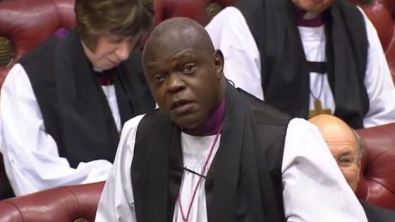 On Monday 13th March, the House of Lords considered the EU (Notification of Withdrawal) Bill, which had been returned to it by the House of Commons during a parliamentary process known as ‘ping pong’. MPs had rejected an amendment passed by the Lords to make protection of EU/EAA nationals a priority in the Brexit negotiation process. The Liberal Democrats tabled a further amendment to disagree with the Commons in its decision. The Archbishop of York, the Rt Hon and Most Rev Dr John Sentamu, spoke in favour of agreeing with the Commons (so opposing the amendment, which was later defeated during a vote).
 On Monday 6th March 2017, Baroness Jay of Paddington tabled a debate in the House of Lords, asking the Government “what assessment they have made of recent legislation on assisted dying in North America; and whether those laws provide an appropriate basis for legislation in England and Wales.” The Bishop of Worcester, the Rt Revd John Inge, spoke in the debate.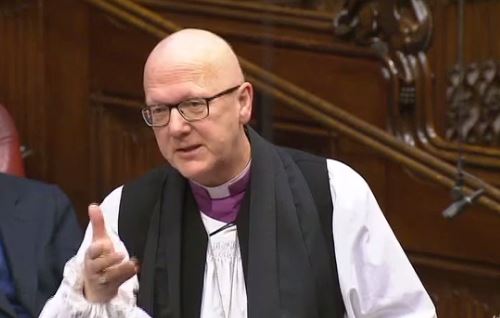
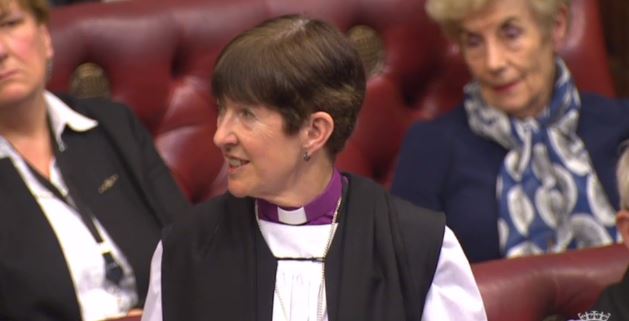
 On Monday 27th February 2017, the Bishop of Newcastle, the Rt Revd Christine Hardman, paid tribute on behalf of the BIshops’ Benches to Lord Waddington, the former Leader of the House, who had died the previous week.
 The Church of England in Parliament
You must be logged in to post a comment.