
On 14th May 2020 a virtual sitting of the House of Lords debated a motion from Baroness Boycott, “That the Virtual Proceedings do consider food supply and security in the United Kingdom in the light of the Covid-19 pandemic.” The Bishop of St Albans, Rt Revd Alan Smith, spoke in the debate:
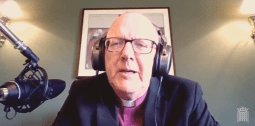 The Lord Bishop of St Albans: My Lords, I thank the noble Baroness, Lady Boycott, for this debate and I declare my interest as president of the Rural Coalition. It is often said that the primary duty of government is the defence of the realm: equally important is the need to feed the population. When a crisis hits, we can survive for a considerable time without importing computers and machinery, but without food we last only a few weeks. Fortunately, during this pandemic the food chain has held up relatively well, although a number of shortages in the early days of the lockdown acted as a salutary warning. Within days of the lockdown, many of our churches here in Hertfordshire and Bedfordshire had set up food banks or parish pantries, not just in poorer areas such as Stevenage or Farley Hill, but in wealthier villages such as Flamstead and Ponsbourne. Continue reading “Bishop of St Albans calls for more support for farmers, who provide essential public service”
 Lord Bishop of Durham: My Lords, we must consider this report in light of the global pandemic. Decisions about our future relationship with the EU must be informed by Covid-19, recognising our international interdependence rather than being driven by ideology. Our European neighbours remain our friends and allies. This must continue for the sake of all, and especially for vulnerable children.

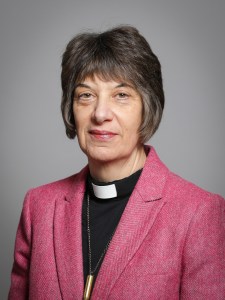 The Lord Bishop of Gloucester: My Lords, I echo what has been said already. I draw attention to my interests in the register, particularly the fact that I am president of the Nelson Trust. I will make just a few points.
 The Church of England in Parliament
You must be logged in to post a comment.