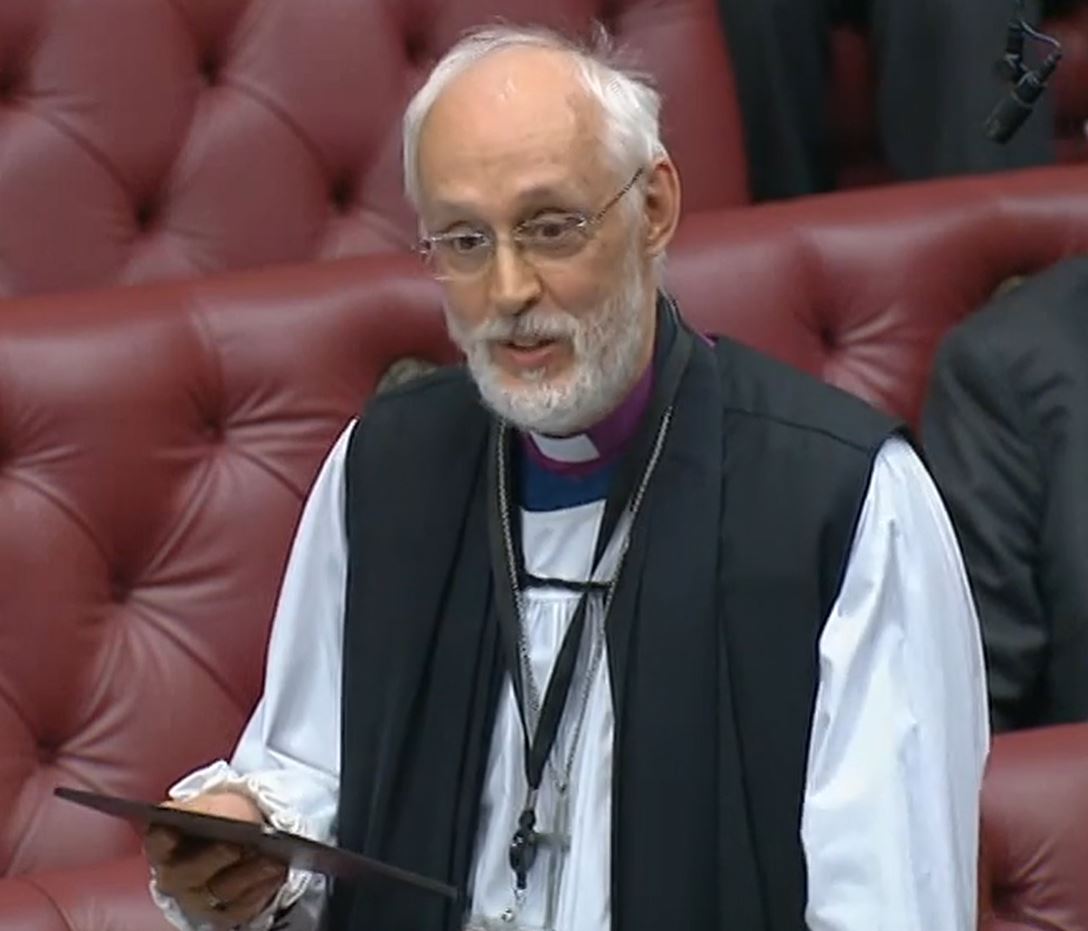
Terminally Ill Adults (End of Life) Bill: Bishop of Southwark raises concerns on effects of bill on vulnerable members of society

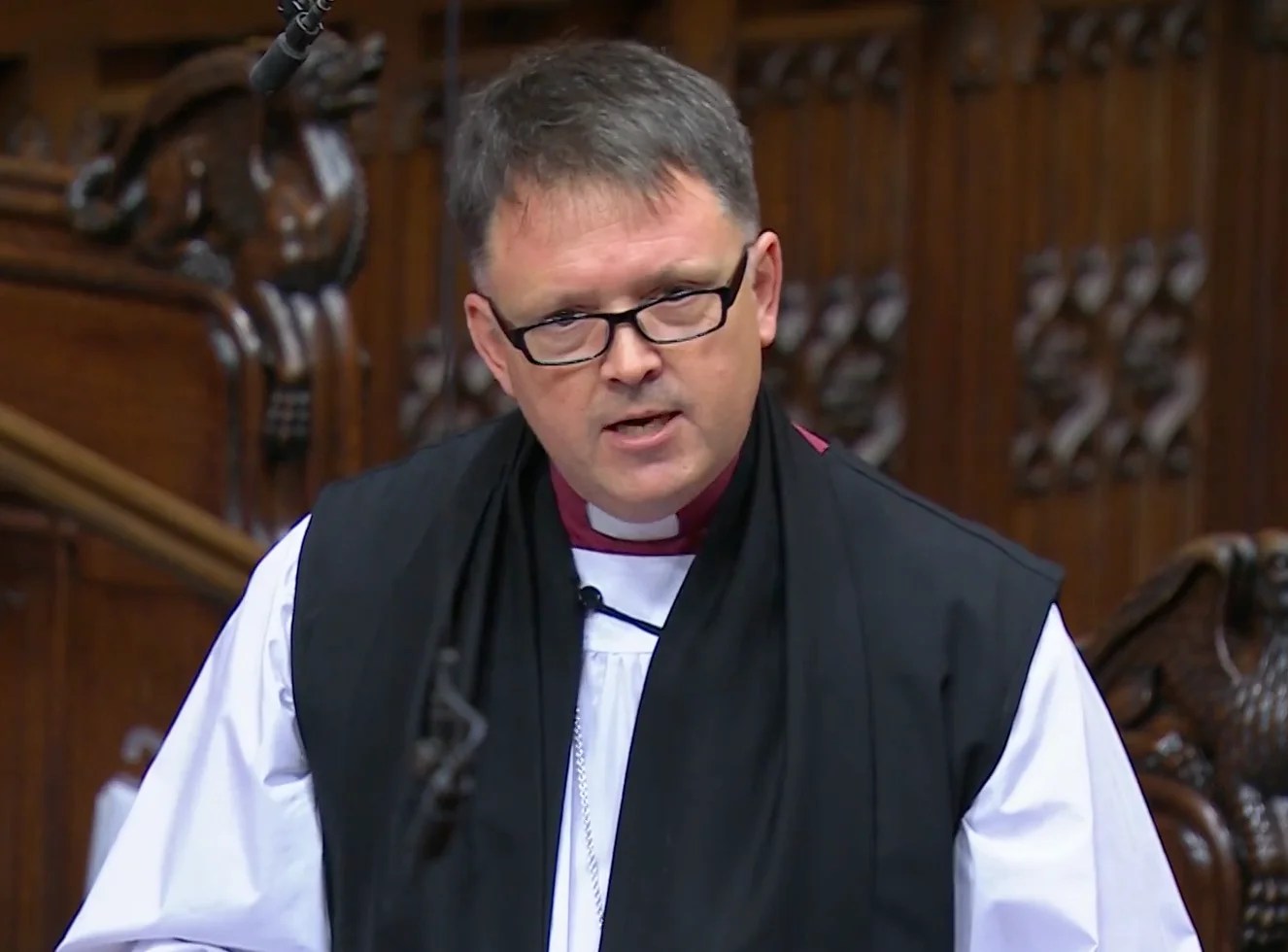
The Bishop of Southwark spoke at the second reading of the Terminally Ill Adults (End of Life) Bill on 12th September 2025, expressing concern regarding the effects of the bill on vulnerable members of society, and the sanctity of human life:

The Lord Bishop of Southwark: My Lords, I acknowledge with deep respect that those arguing for the passage of this Bill are often speaking from personal experience of the pain and suffering of someone’s final illness. Yet, along with many other speakers, I have deep concerns about legislating to permit the practice of assisted dying. I caution the House against the remedy of choice in this area. My concern is that those who are most vulnerable in society will become more vulnerable should this Bill find its way on to the statute book.

Related to this, and as a Bishop, I wish to say something on the subject of life, which I believe we must consider in any Bill making provisions for its termination. In the Old Testament, the principal word for life is the Hebrew word “hayim”, a plural noun. This expression signifies both our physical life and our source in God, who is the source of all life. It is a relational term, and, like most societies until our own age, it reflects a view of life as a gift and one lived out with others. It is a sign of the deep richness of the journey of life, which, of course, encompasses mortality and the finality that takes us to our very last breath. We need to be immensely careful in supporting a departure from the practice and wisdom of centuries.

Continue reading “Terminally Ill Adults (End of Life) Bill: Bishop of Southwark raises concerns on effects of bill on vulnerable members of society”

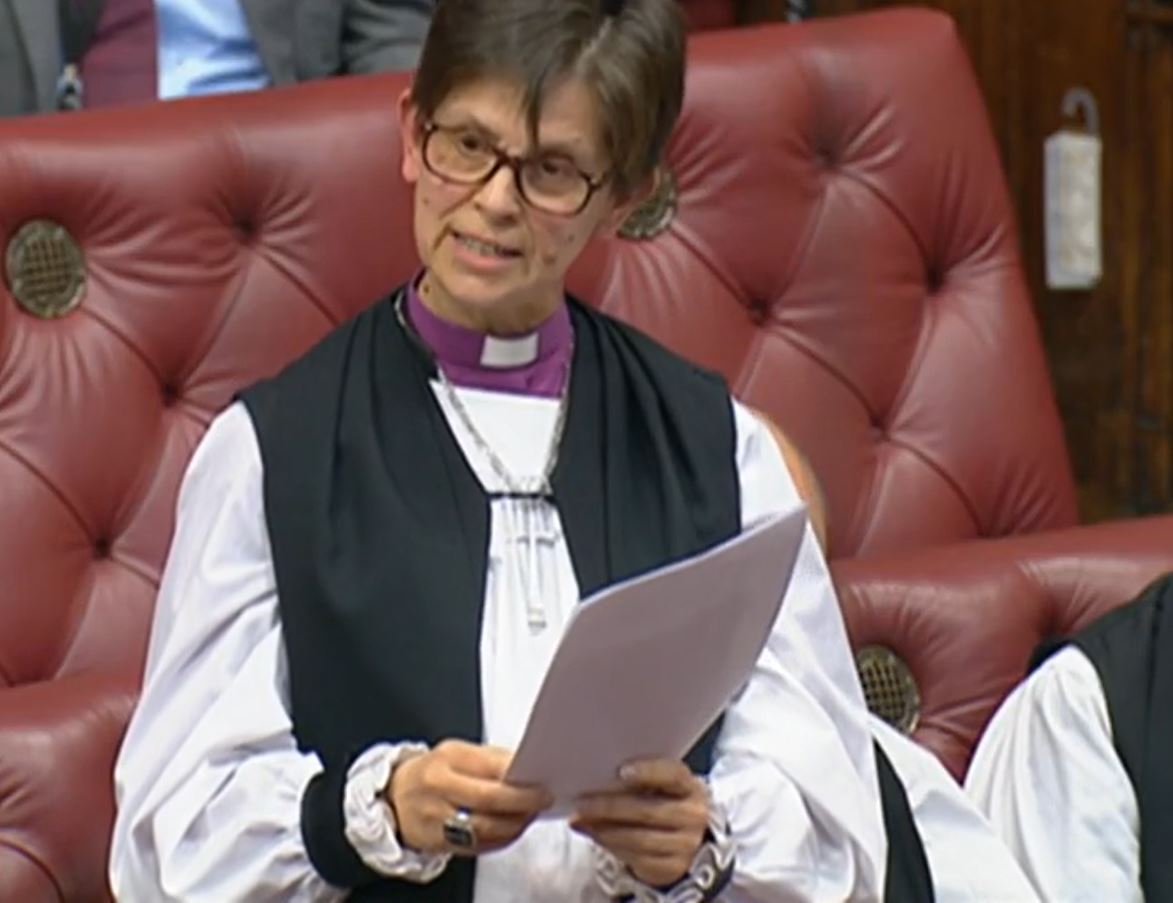
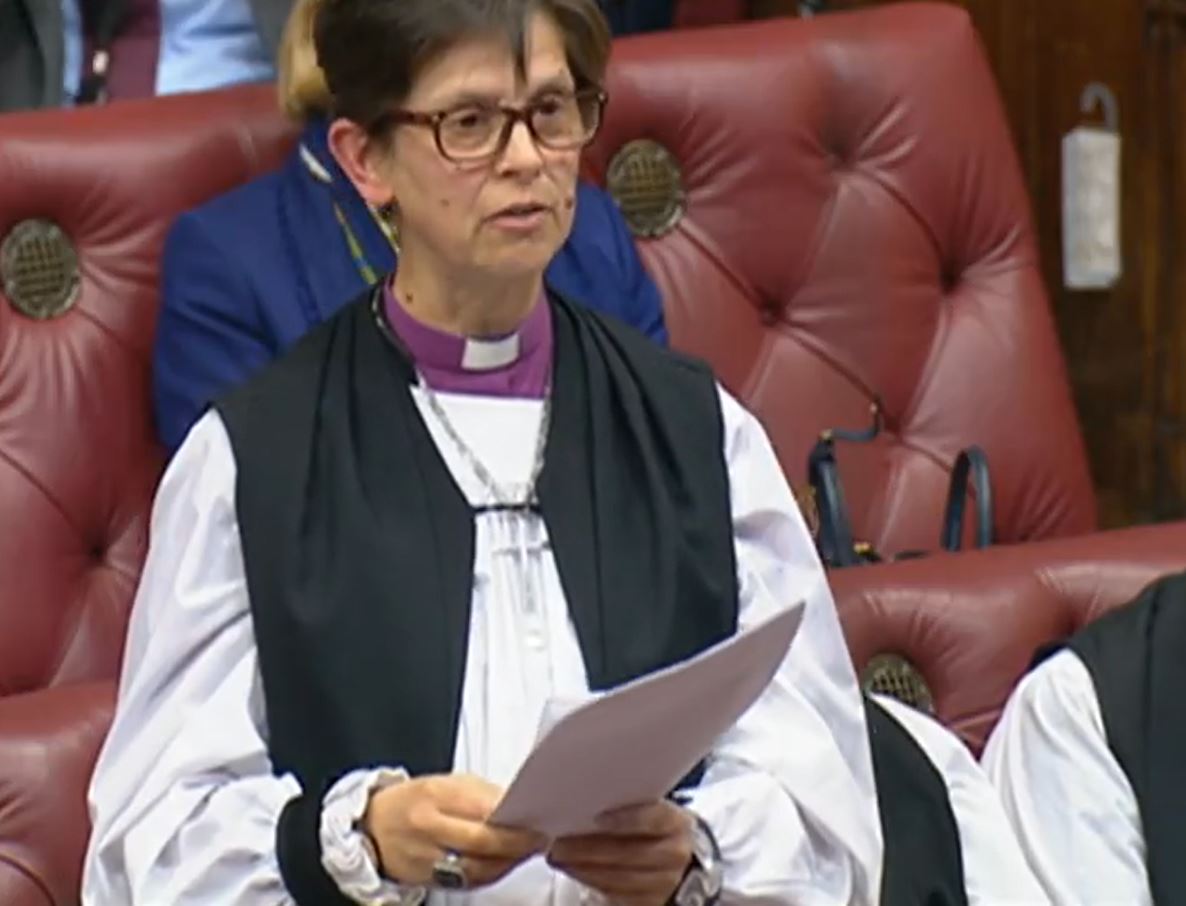
Terminally Ill Adults (End of Life) Bill: Bishop of London opposes legislation and calls for comprehensive funding of palliative care system

The Bishop of London spoke at the second reading of the Terminally Ill Adults (End of Life) Bill, opposing the bill and outlining the need for fully funded palliative and social care services in the UK:

The Lord Bishop of London: My Lords, as the noble Lord, Lord Kamall, has already pointed out, we in this Chamber share the same goal: for people to die with dignity and compassion. They are critical concerns for those who, like me, believe that the Bill is deeply flawed. Noble Lords will know that I am a former government Chief Nursing Officer, and I chaired the UK Commission on Bereavement. As a nurse, a priest, a daughter and a granddaughter, I have had the privilege to be with many people as they die. Most people die well although, as we have heard and will continue to hear, that is not always the case. I have known people to experience some of the most valuable days of their life as it comes to an end, including those with terminal illnesses.

Continue reading “Terminally Ill Adults (End of Life) Bill: Bishop of London opposes legislation and calls for comprehensive funding of palliative care system”

Bishop of Lincoln asks about bus travel and coastal transport networks

The Bishop of Lincoln received the following written answers on 12th September 2025:

The Lord Bishop of Lincoln asked His Majesty’s Government what steps they have taken to implement the recommendation made in the report by the Select Committee on Regenerating Seaside Towns and Communities (Session 2017–19, HL Paper 320), published in April 2019, and in the follow-up letter to that report from the Chair of the Liaison Committee, published in March 2021, that they conduct a detailed review of the coastal transport network.

Continue reading “Bishop of Lincoln asks about bus travel and coastal transport networks”

Bishop of Oxford asks about impact of AI on youth unemployment

The Bishop of Oxford asked a question on the impact of artificial intelligence on youth unemployment on 11th September 2025:

The Lord Bishop of Oxford: My Lords, I too welcome and commend the Minister’s passion and commitment. I recently met around 100 young people, as part of the work our diocese is doing, and their number one concern is the impact of technology and AI on their future jobs. There is now robust research in the United States on the likely impact of AI on entry-level jobs. Are the Government aware of that research and do they intend to commission research on the likely impact on the UK of artificial intelligence and strategies that might emerge?

Continue reading “Bishop of Oxford asks about impact of AI on youth unemployment”

Bishop of Oxford asks about use of AI in government work and cybersecurity

The Bishop of Oxford asked a question on joined up thinking in defence and cybersecurity, and the risks of AI use in government work, on 10th September 2025:

The Lord Bishop of Oxford: My Lords, on Monday the All-Party Parliamentary Group on Artificial Intelligence heard a striking presentation from the Polish Minister for defence and cybersecurity, who talked about the joined-up thinking his nation has developed on defence and commercial attacks of this kind. I ask the Minister what the Government are doing to join up thinking in defence and industry, in terms of cyber- attacks. In light of the Government’s promotion of artificial intelligence, do they consider that this increases the risk of cyberattacks of this kind? What steps are the Government taking to advocate responsible and cautious adoption of AI to mitigate this risk?

Continue reading “Bishop of Oxford asks about use of AI in government work and cybersecurity”

Bishop of Leicester asks about methods of tackling child poverty

The Bishop of Leicester asked a question on listening to the voices of children and young people in tackling child poverty on 10th September 2025:

The Lord Bishop of Leicester: My Lords, my question is also not about the two-child limit, though I am fully supportive of its removal. Can the Minister say something about listening to the voices of children and young people within the formation of the strategy and give some examples of how the voices of children and young people have maybe changed the mind of the Government in their approach?

Continue reading “Bishop of Leicester asks about methods of tackling child poverty”

Children’s Wellbeing and Schools Bill: Bishop of Oxford supports amendment on faith based education provision

The Bishop of Oxford spoke in favour of an amendment to the Children’s Wellbeing and Schools Bill on behalf of the Bishop of Manchester on 10th September 2025, outlining the unintended effects of the bill on volunteer run-settings, including faith based provision:

The Lord Bishop of Oxford: My Lords, it is a pleasure to follow the noble Lord, Lord Lucas, and to associate myself with his remarks. I speak to Amendment 427C on behalf of my colleague, the right reverend Prelate the Bishop of Manchester, in whose name the amendment stands. He very much regrets his inability to attend today’s Committee debate. His amendment offers a reasonable and practical solution to the finely balanced tension between freedom and regulation in education provided by religious bodies.

As things stand, the Bill recognises two types of full-time education: education undertaken in either a school or an independent educational institution. The latter would need to be registered according to the 2008 Act and the requirement to register would apply to education that is more than “part time”. The need to include education provided by religious bodies in national mechanisms for oversight is well understood by all. The Church of England, for example, has taken enormous strides forward in both safeguarding training and safeguarding processes in local parishes that welcomed an average of 95,000 children each week in 2023.

Continue reading “Children’s Wellbeing and Schools Bill: Bishop of Oxford supports amendment on faith based education provision”

Bishop of Lincoln asks about mental health support for SEND families

The Bishop of Lincoln received the following written answers on 10th September 2025:

The Lord Bishop of Lincoln asked His Majesty’s Government what assessment they have made of the mental health support services available to children with special educational needs and disabilities and their families.

Continue reading “Bishop of Lincoln asks about mental health support for SEND families”

Bishop of Oxford speaks in debate on report on the crimes of Daesh (ISIL)

The Bishop of Oxford spoke in a debate on a report from the Joint Committee on Human Rights on the crimes of Daesh on 10th September 2025, highlighting the ongoing issue of British citizens who were members of Daesh and the need to bring them to justice, and noting the need to care for the number of children detained with their parents who had been Daesh members:

The Lord Bishop of Oxford: My Lords, I, too, congratulate the Joint Committee on Human Rights on its detailed and courageous report, and the noble Lord, Lord Alton, on bringing this debate. With others, I am sorry that he cannot be with us today. I, too, received the graphic photographs of his serious injuries.

Continue reading “Bishop of Oxford speaks in debate on report on the crimes of Daesh (ISIL)”

Bishop of Lincoln asks about flood management

The Bishop of Lincoln received the following written answer on 9th September 2025:

The Lord Bishop of Lincoln asked His Majesty’s Government what is (1) the timeline, and (2) the intended consultation framework, for setting a long-term multi-decade target for flood risk management, as referenced in the 10-Year National Infrastructure Strategy and recommended by the National Audit Office and National Infrastructure Commission.

Continue reading “Bishop of Lincoln asks about flood management”