
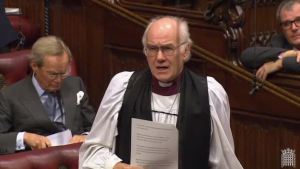
 On 15th March 2017, Baroness Deech asked Her Majesty’s Government ‘what plans they have to improve accessibility for disabled people to public premises.’ The Bishop of Chester, Rt Revd Peter Forster, asked a follow up question on church buildings.
The Lord Bishop of Chester: My Lords, the noble Lord who asked the previous question did not include churches—and with good reason because there have been herculean efforts across the estate involving quite difficult church buildings to make them accessible to people with limited ability to get up steps and so forth. Will the Minister join me in paying tribute to the local efforts, normally paid for locally, which have transformed the access to historic churches? Continue reading “Bishop of Chester praises efforts to improve church accessibility”
 On 14th March 2017, the Commercial Secretary to the Treasury, Baroness Neville-Rolfe, moved that this House takes note of the economy in the light of the Budget Statement. The Bishop of Chester, the Rt Revd Peter Forster, spoke in the debate, focusing on national debt and expenditure pressures.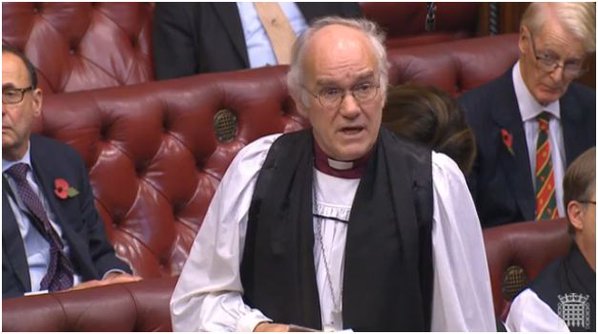
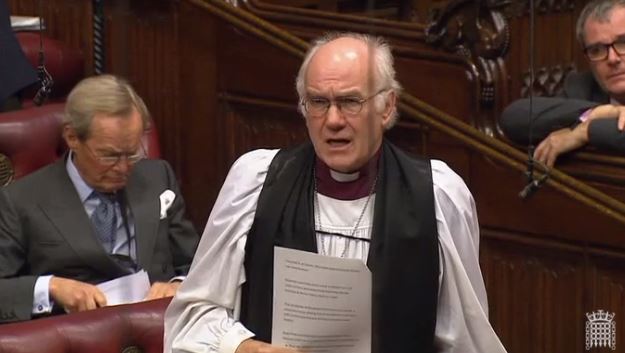
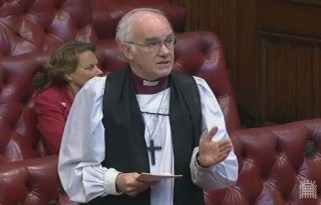 The Lord Bishop of Chester: My Lords, this is an important amendment because it touches upon the bigger issue of the impact of artificial intelligence on all sorts of aspects of our lives. There is a law called Moore’s law, which says that every two years the power of computers doubles. That has been true over the past 20 or 30 years and we should assume that that power will continue to develop. Artificial intelligence in all its impacting forms will be more and more prevalent in our society and more and more potent in the hands of terrorists in the years to come.

You must be logged in to post a comment.