
On 21st October Lord German asked the Government “what assessment they have made of the impact on (1) prisons, (2) prisoners, and (3) those on remand, of increasing the maximum period of remand in custody by eight weeks.” The Bishop of London asked a further question:
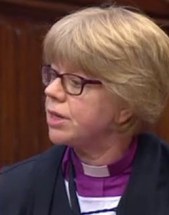 The Lord Bishop of London: My Lords, is the Minister aware that many hundreds of remand prisoners in London prisons are now held for much longer periods than before Covid while waiting for a trial date? Her Majesty’s Prison Pentonville alone has over 400 prisoners waiting for unprecedented periods—of over a year—for their cases to be heard. Can she assure your Lordships’ House that action is being taken to relieve this? If so, what action can we expect? Continue reading “Bishop of London voices concern about high number of remand prisoners”
 The Lord Bishop of Gloucester: To ask Her Majesty’s Government what assessment they have made of (1) the level of funding that has been provided to the Female Offender Strategy launched in June 2018, and (2) whether such funding is sufficient to implement the Strategy fully.
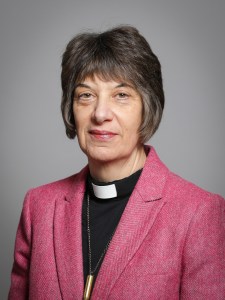 The Lord Bishop of Gloucester: My Lords, I echo what has been said already. I draw attention to my interests in the register, particularly the fact that I am president of the Nelson Trust. I will make just a few points.
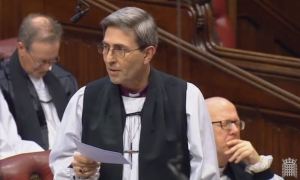 On 5th March 2020 Baroness Gale asked the Government “what assessment they have made of the effectiveness of the Crown Prosecution Service in prosecuting cases of rape.” The Bishop of Winchester, Rt Revd Tim Dakin, asked a follow-up question:
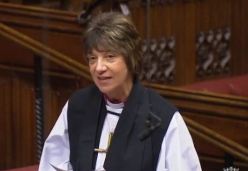 On 27th February 2020 the House of Lords debated a motion from Lord Bates, “to ask Her Majesty’s Government what assessment they have made of the findings of the Checkpoint programme, run by Durham Constabulary, to reduce reoffending rates and custodial sentences.” The Bishop of Gloucester, Rt Revd Rachel Treweek, spoke in the debate:
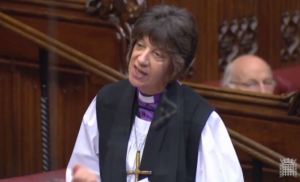 The Lord Bishop of Gloucester: My Lords, I am grateful to those contributing to this subject today who have far greater knowledge than I do, and I will aim to keep my comments brief.
 The Lord Bishop of Southwark: My Lords, following on from the previous question*, will the Minister consider whether or not it is appropriate for this country to seek to deal with the offences and aftermath of those brought up here as children, rather than expel them to countries of which they know little, save in the most exceptional circumstances?
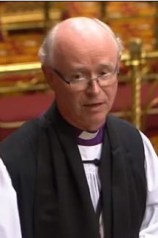 On 8th January 2020 the Bishop of Rochester, Rt Revd James Langstaff, spoke during the third day of debate on the Queen’s Speech, on the topic of criminal justice:
 The Church of England in Parliament
You must be logged in to post a comment.