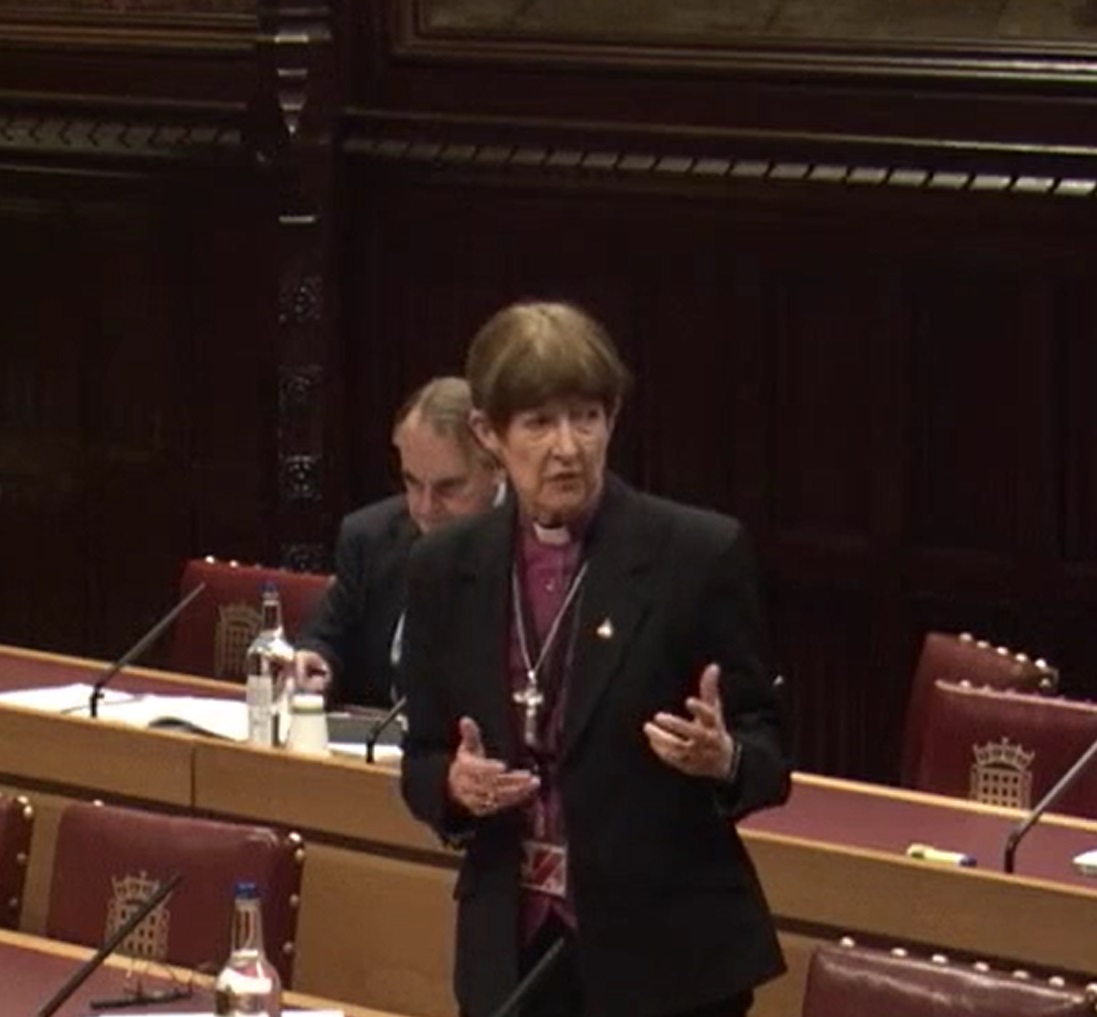
Bishop of St Albans asks about local government for rural areas

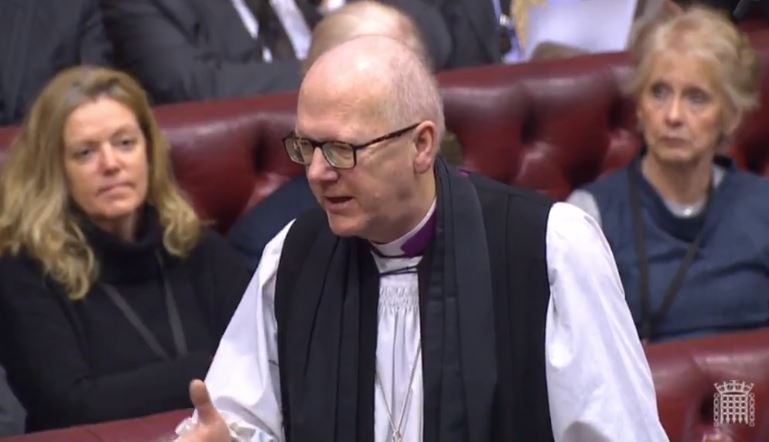
On 11th February 2025, the Bishop of St Albans asked a question on ensuring fairness for rural communities during local government reorganisation:

The Lord Bishop of St Albans: My Lords, to build on that question, there is a lot of concern in rural areas that where they are to be added to a large unitary authority which is dominated by an urban area, they might miss out. What will be put into the criteria to ensure that there is fairness of services in those rural areas?

Continue reading “Bishop of St Albans asks about local government for rural areas”

Bishop of St Albans asks about needs of rural communities in devolution process

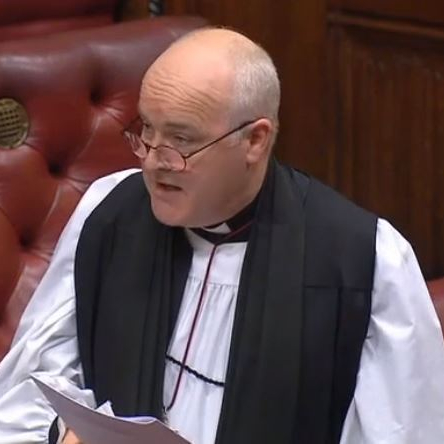
The Bishop of St Albans asked a question on local government devolution and the needs of rural communities on 16th January 2025:

The Lord Bishop of St Albans: My Lords, it looks as if the provisional local government finance settlement for 2025-26 will disadvantage rural areas, with the removal of the rural services delivery grant making the situation even worse. What steps are being taken to ensure that the needs of rural communities are being considered in the devolution process and that the strategic policy approaches developed by the combined authorities meet the specific needs of service delivery in our rural communities?

Continue reading “Bishop of St Albans asks about needs of rural communities in devolution process”

Bishop of Winchester asks about recognition of Cornish regional identity

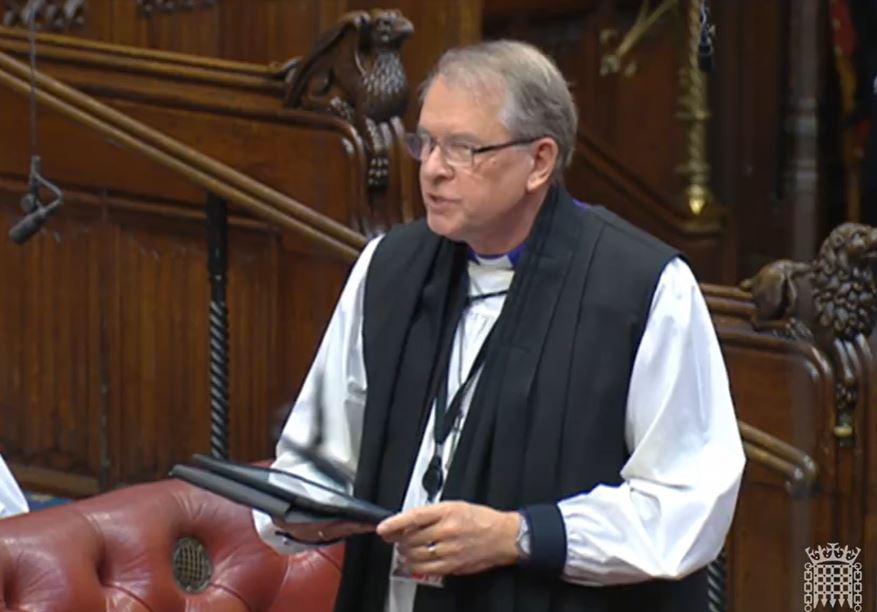
The Bishop of Winchester asked a question on government plans to recognise Cornish identity within the future Council of the Nations and Regions on 27th November 2024:

The Lord Bishop of Winchester: My Lords, given that the UK Government have recognised the distinctive identity of the Cornish through the Council of Europe’s Framework Convention for the Protection of National Minorities, can the Minister say whether there are any plans to recognise that identity within the Council of the Nations and Regions, irrespective of whether they vote for a mayor? I note that the Cornish do not take kindly to being called English.

Continue reading “Bishop of Winchester asks about recognition of Cornish regional identity”

King’s Speech Debate: Archbishop of York raises importance of faith and representation in public life

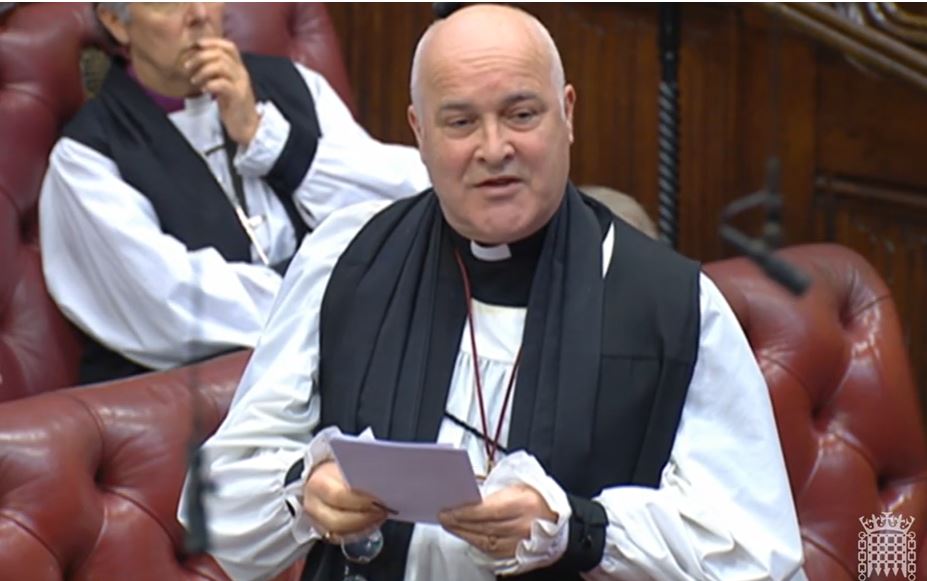
During the King’s Speech debate on 23rd July, 2024, the Archbishop of York gave a speech on the topic of the constitution, devolution and trust in democracy, raising the importance of faith in public life and the potential for other faith communities to be better represented in the House of Lords:

The Lord Archbishop of York: My Lords, it is an honour to respond to the gracious Speech. I, along with others on these Benches, welcome the noble and learned Lord, Lord Hermer, the Attorney-General, and thank him for a really moving maiden speech—not least his desire that we listen to and respect one another and work consensually.

Like others, I want to focus on one thing, which is rebuilding trust in democracy itself. The turnout on 4 July was shockingly low. Research also shows a 13% gap in turnout between constituencies with the highest and lowest proportions of home ownership. Furthermore, an estimated 400,000 people were turned away at the polling station because they did not have the right ID. These are alarming statistics, and I look forward to the changes outlined in the Government’s manifesto that could start to address them, including reducing the voting age to 16.

Continue reading “King’s Speech Debate: Archbishop of York raises importance of faith and representation in public life”

Kings Speech Debate: Archbishop of York speaks on devolution in the North of England

The Archbishop of York spoke on devolution, with a particular focus on the North of England on 8th November 2023, in a debate following the Kings Speech:

The Lord Archbishop of York: My Lords, from these Benches I too express our sadness at the news of the death of Lord Judge and offer prayers and condolences to his family. I look forward with others to the speeches of the noble and learned Lord, Lord Burnett of Maldon, and the noble and learned Lords, Lord Houchen of High Leven and Lord Bailey of Paddington.

The focus of my speech is devolution, looking particularly at devolution in and within the regions of England, not least because devolution and devolved government allow us to seek consensus in our decision-making, and therefore to be better able to take a longer view, which in turn is the best way of tackling some of the huge issues facing us that were mentioned in the gracious Speech: the greening of the economy; poverty; and criminal justice. Yesterday, the order was laid by the Government for the establishment of the mayoral combined authority for York and North Yorkshire, the area where I live and serve. This is very good news for the north and is the first deal of its kind that includes a large rural area in combination with a small city, and therefore is an opportunity for a new model that does not require a big city for its success.

Continue reading “Kings Speech Debate: Archbishop of York speaks on devolution in the North of England”

Bishop of Durham asks about investment in the north-east of England

During a debate on Levelling Up on 23rd January 2023, the Bishop of Durham asked whether how much of the investment promised to the north-east of England will be new funds:

The Lord Bishop of Durham: My Lords, I welcome the new devolution deal that has been done for the north-east and look forward to the appointment of an elected mayor for the region. If this devolution deal goes ahead, which I trust it will, can His Majesty’s Government clarify what proportion of the estimated £4.2 billion of investment into the region will be truly new money that the local new mayor can allocate out?

Lord Lexden (Con): I thank the right reverend Prelate for that question and I will have to give him a written answer: I do not have that information on the north-east devolution deal.

Hansard

Levelling Up Bill: Bishop of Leeds highlights the importance of transport and education

On Tuesday 17th January 2023, the House of Lords debated the Levelling Up Bill in its second reading. The Bishop of Leeds made a speech on the importance of good transport links and amending discrepancies in education:

The Lord Bishop of Leeds: My Lords, I am delighted to follow the noble and right reverend Lord, who has already stolen some of what I was going to say—great minds and all of that, maybe. When I first heard the phrase “levelling up”, I thought, “Here we go again—another slogan in search of substance”. Yet what we have heard today so far is that there is a great deal of potential substance to this Bill. I applaud the motivation and ambition behind it, and the attempt in the 12 missions to have a holistic approach rather than simply to pick off bits of our society. But I do think we need to take seriously, after the honest analysis that we had from the Minister, the argument that it gives the lie to the opening assertion of the White Paper that the UK is an unparalleled success story. If it was, we would not need the detail that we have before us. This sort of language of hubris can very easily militate against us taking seriously the scale of the task.

Continue reading “Levelling Up Bill: Bishop of Leeds highlights the importance of transport and education”

Abortion (Northern Ireland) Regulations 2021: Bishop of Carlisle raises issues of devolution and stipulations on foetal disability

On 28th April 2021, the Bishop of Carlisle spoke in opposition to the passage of the Abortion (Northern Ireland) Regulations, citing the issue of devolution and the inclusion in the regulations of the legalisation of abortion in cases of severe foetal impairment:

The Lord Bishop of Carlisle: My Lords, we are all aware of the sensitivities surrounding abortion, as the noble Viscount, Lord Younger, has observed, and also of the wide range of deeply held views that it provokes. However, whatever our own particular standpoint on abortion per se, which is, as the House has been reminded, now legal in Northern Ireland, there are two specific aspects of these regulations which must be of general concern. One has to do with devolution, as we have already been reminded. To quote from a recent statement issued by the Archbishop of Armagh:

“It is a matter of regret that the Secretary of State for Northern Ireland intends to seek powers from Parliament to give direction to the Department of Health in Northern Ireland around what is clearly a devolved matter.”

Continue reading “Abortion (Northern Ireland) Regulations 2021: Bishop of Carlisle raises issues of devolution and stipulations on foetal disability”

Vaccines for developing world, poverty in the pandemic, devolution and Ethiopia  

In the House of Lords on 14th January 2021 the Bishop of St Albans received written answers to questions on vaccines for developing countries and the situation in the Tigray region of Ethiopia while the Bishop of Durham received answers to questions on the recent updated report by the Child Poverty Action Group and the Church of England on Poverty in the pandemic.
Meanwhile in the Chamber, the Bishop of Birmingham raised the issue of devolution in England with the Government during Lord Young’s Oral question about the formation of a Constitution, Democracy and Human Rights Commission. Text below:

Continue reading “Vaccines for developing world, poverty in the pandemic, devolution and Ethiopia  “

Bishop of Newcastle supports creation of North of Tyne Combined Authority

Newcastle - Grand CommitteeOn the 30th October 2018 the Rt Revd Christine Hardman, Bishop of Newcastle, spoke in support of the Newcastle Upon Tyne, North Tyneside and Northumberland Combined Authority (Establishment and Functions) Order 2018. 

The Lord Bishop of Newcastle: My Lords, I welcome this proposal for a North of Tyne combined authority. I was present when the minded-to agreement was signed and there was a real sense of purposeful energy around the room. I agree with my noble friends Lord Beecham and Lord Shipley who talked about the level of investment that this combined authority will pull in; it is good, but very modest. I hope that nobody, including the Minister, will feel that this is anything like a sufficient answer to the critical lack of investment in the north-east. This development is a necessary but not sufficient condition for a proper level of investment in the north-east economy. Continue reading “Bishop of Newcastle supports creation of North of Tyne Combined Authority”