
On the 20th January 2016 Sir Edward Leigh, MP for Gainsborough, hosted a Commons debate on the regulation of out-of-school education settings. The Rt Hon Caroline Spelman, the Second Church Estates Commissioner, spoke twice during the debate, urging a more proportionate policy in order to avoid unintended consequences. The Minister for Schools Mr Nick Gibb responded to the debate for the Government and his remarks are included below.
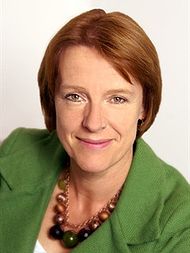 Mrs Caroline Spelman (Meriden) (Con): Like, I am sure, many others present, I have had to go through the process of a Criminal Records Bureau check, which is now a Disclosure and Barring Service check. Does my hon. Friend agree that it is an important butonerous process? Sometimes, one has to be checked more than once, because it does not transfer to another activity that one might undertake with children if one is foolish enough to do a full weekend with the Sunday school. It is a very rigorous process, and if it was applied to the people who teach children Islam in all teaching environments, it would be a very good tool to deal with any excess problem that there might be.
Sir Edward Leigh: I agree with my right hon. Friend. We should be using DBS checks if, for instance, people are trying to teach extremism, jihadism or whatever in an out-of-school setting or at home. We should use intelligence and existing powers to deal with the problem, not try to take a great sledgehammer to crack a nut. Continue reading “Church Commissioner’s speech in MPs debate on regulating out-of-school education settings”
 The Lord Bishop of Peterborough: My Lords, I, too, am grateful for this debate. I also note with great pleasure a number of changes made to policy and practice in this area by Mr Gove since he became Secretary of State. I gladly thank him and the Government, particularly for allowing prisoners greater and easier access to books. But if educational standards in prisons are to be improved, as they desperately need to be, we still need much more joined-up thinking. I will give two examples.
  The Lord Bishop of Derby: My Lords, I, too, thank the noble Lord, Lord Hanningfield, for his introduction to the debate, especially for linking education with vocation for people in prison. As the noble Lord, Lord Addington, said, it is a very complex territory with very deep needs. A lot of research shows that the prison population represents people with multiple needs. Therefore, the task of education and vocation will be challenging. I see the importance of formal education for literacy and numeracy to help people to get jobs. I am all in favour of that, but I want to look behind that at the informal fashioning of vocation and the development of character and confidence, which allows people to enter formal learning. I will draw on my own experience of going into prisons.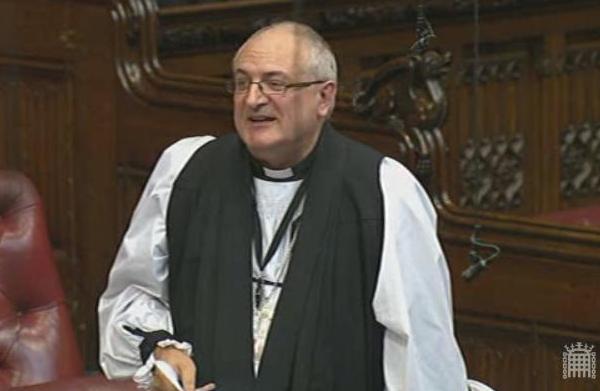
 The Lord Bishop of Ely: I, too, take the opportunity to congratulate the noble Baroness, Lady Deech, for bringing this debate about. I would be very glad to engage in metaphysical conversation with the noble Lord, Lord Patten, about the soul of the university sometime outside the Chamber. I am more concerned for us to promote and understand the importance of religious literacy in the defence of free speech, and the Church’s engagement with a number of institutions in seeking to make the most of the Prevent agenda without throwing aside openness and readiness to engage in full debate.
  On 24th September 2015 the Bishop of Coventry, Rt Revd Christopher Cocksworth, received written answers to questions of Government on attacks on church property in Israel and the funding of Christian schools.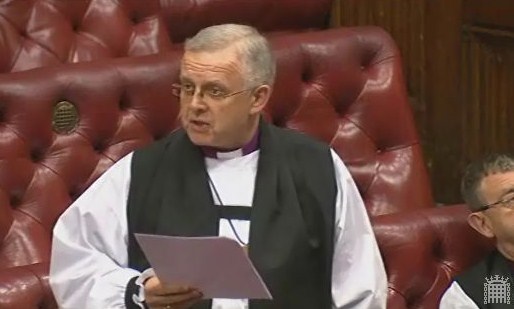

 The Church of England in Parliament
You must be logged in to post a comment.