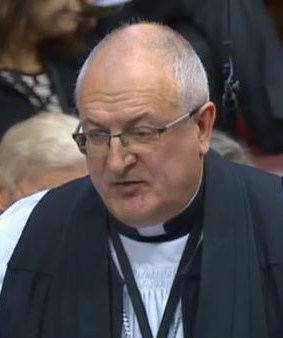
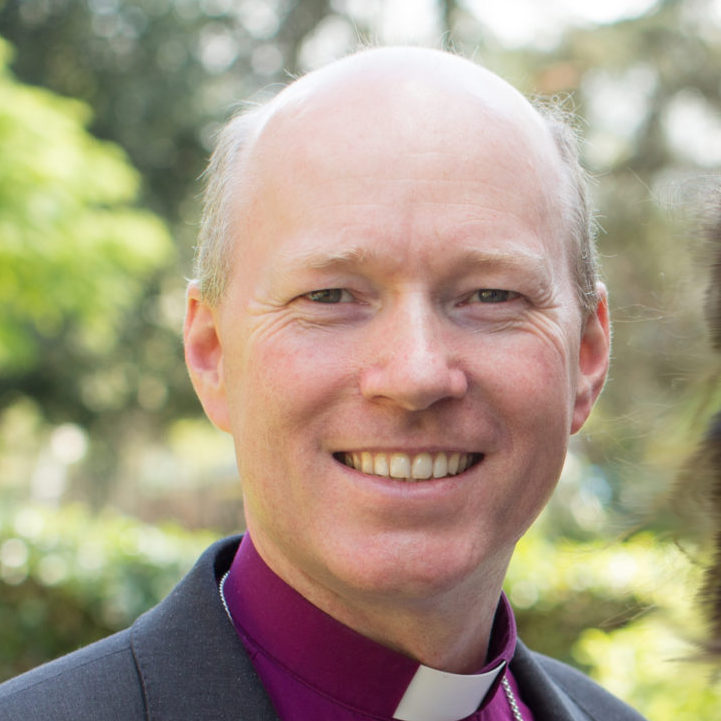
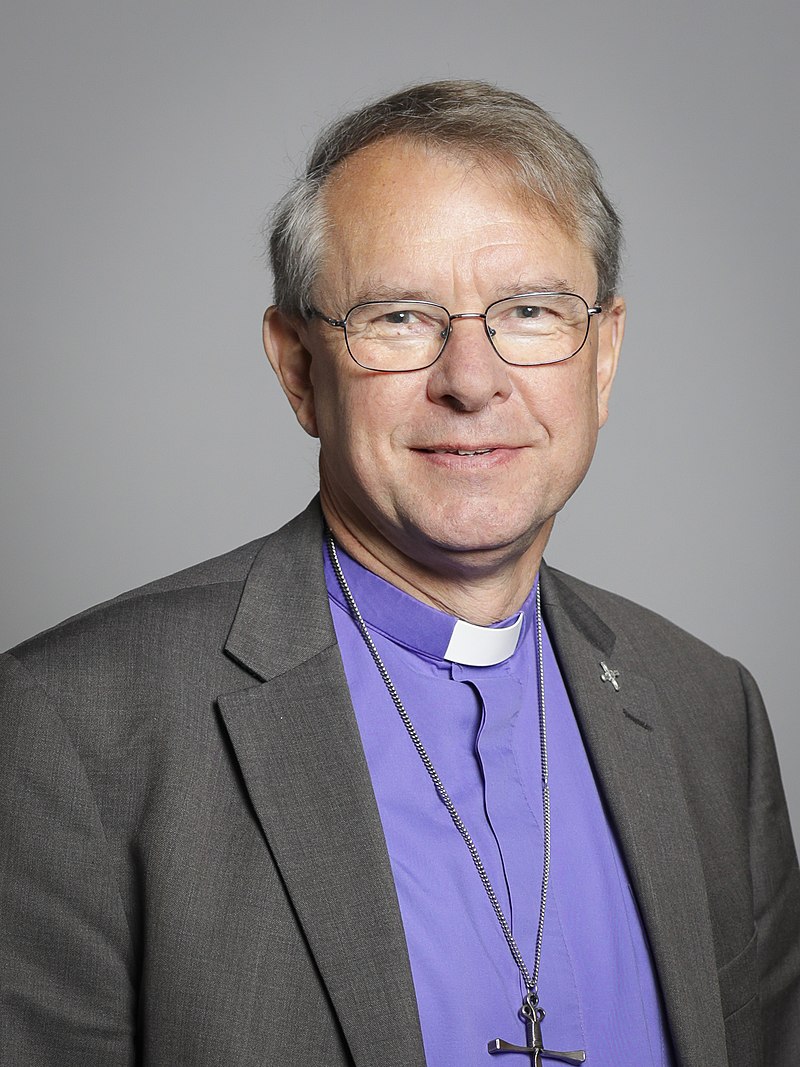
Bishop of Durham asks about educational attainment for children in the social care system

The Bishop of Durham received the following written answers on 17th October 2023:

The Lord Bishop of Durham asked His Majesty’s Government:

  • further to the Action for Children’s report, The Educational Outcomes of Children Referred to Children’s Social Care: A Revolving Doors Report, published on 22 August, and data from the annual children in need census, what assessment they have made of the gap in educational attainment between children who have interacted with the children’s social care system, and their peers who have not.
  • what steps they are taking to improve the educational attainment and GCSE results of children who interact with the children’s social care system.
  • what steps they are taking, beyond the school gates, to provide support to children who have interacted with the children’s social care system.
Continue reading “Bishop of Durham asks about educational attainment for children in the social care system”

Bishop of St Albans urges government to work to provide financial and citizenship education in schools

The Bishop of St Albans spoke in a debate on life skills and citizenship teaching in primary and secondary schools on 7th September 2023, urging the government to work with organisations to provide financial education in schools, and drawing attention to the Church of England’s Living Well Together project:

The Lord Bishop of St Albans: My Lords, the diocese which I am privileged to serve has 138 church schools in it and another group of independent schools with Christian foundations. I am glad to have the opportunity to visit them regularly—I have been in one already this morning. As I go round, I am heartened by the teaching I see already going on on citizenship and value-based education. I want to comment, though, on just a couple of things and to suggest that, while it is important that the Government are clear what they are doing, there is actually a vital role for families and a vital role in collaborating with other bodies that are seeking to do similar sort of work.

Continue reading “Bishop of St Albans urges government to work to provide financial and citizenship education in schools”

House of Lords debates role of religion in schools

On 17th July 2o23, the House of Lords debated a question asked by Baroness Burt of Solihull on the recommendation by the United Nations Committee on the Rights of the Child that the United Kingdom should prevent the use of religion as a selection criterion for school admissions in England. Church of England schools were discussed during the debate:

Baroness Burt of Solihull (LD): To ask His Majesty’s Government what assessment they have made of the United Nations Committee on the Rights of the Child’s recommendation that the United Kingdom should prevent the use of religion as a selection criterion for school admissions in England.

Baroness Barran (Con): My Lords, the UK is a proud signatory of the UN Convention on the Rights of the Child. However, the Government support faith schools’ ability to set faith-based oversubscription criteria. This allows parents to have their children educated in line with their religious beliefs. Faith schools can give priority to applicants on the basis of faith only when they are oversubscribed. Where places are available, they must admit all children who apply.

Continue reading “House of Lords debates role of religion in schools”

Church Commissioners Written Questions: Church Finance, Repairs and Maintenance, Technology, Religious Freedom, Diocesan Vacancies, and Education

On 14th July 2023, Andrew Selous MP, representing the Church Commissioners, gave the following written answers to questions from MPs:

Church of England: Finance

Julian Knight MP (Ind, Solihull): To ask the Member for South West Bedfordshire, representing the Church Commissioners, what steps the Church is taking to ensure transparency and accountability in its financial operations.

Continue reading “Church Commissioners Written Questions: Church Finance, Repairs and Maintenance, Technology, Religious Freedom, Diocesan Vacancies, and Education”

Bishop of Chichester asks about teacher training and development

The Bishop of Chichester asked a question on the future of training and development for teachers, and teachers’ experiences with Ofsted on 13th July 2023, during a debate on the level of teaching vacancies in the UK:

The Lord Bishop of Chichester: My Lords, is the Minister willing to undertake to work with Ofsted to make inspection programmes and grading of schools a more positive experience for teachers? If teachers themselves are not flourishing, it is hard to see how they can encourage, inspire and develop our young people to flourish. The Church of England has developed its own centre for education development to help teachers develop their skills and knowledge in a range of areas—every area in the curriculum—and I commend its work to the Minister’s department.

Continue reading “Bishop of Chichester asks about teacher training and development”

Bishop of Leeds asks about building resilience in education

The Bishop of Leeds asked a question on teaching controversial topics and conflicting opinions in schools during a debate on updates to the national curriculum:

The Lord Bishop of Leeds: My Lords, does the Minister agree that resilience is not something primarily that is taught? It is something that develops as you take what is thrown at you in the experiences of life. To that end, is any thinking going on in government about future curricula which allow for children in our schools, particularly secondary schools, to be exposed to opinions and things with which they do not agree in order that they are able to live in a world of conflicting dogmas and opinions, and do not have to run away from them?

Continue reading “Bishop of Leeds asks about building resilience in education”

Archbishop of York asks about access to arts education

The Lord Archbishop of York: My question is about the variability of access. I think we all recognise that the statistics quoted are going the wrong way. What we observe particularly is that it is far worse in some parts of the country than others. That is something I particularly observe in the north, where I serve. The DCMS Committee’s report last year spoke about how the creative industries themselves are saying that there is a shortage of the skills that we need. What is being done about this and, particularly, how do we know about the situation? In about 2014, Ofsted changed the way its inspections investigated the arts. For instance, dance was looked at as part of PE. Does the Minister think that this lack of joined-up thinking has had an impact on where we are now and, in particular, on the way that some parts of the country are suffering much more than others?

Continue reading “Archbishop of York asks about access to arts education”

Bishop of St Albans asks about teaching of financial literacy in schools

The Bishop of St Albans received the following written answer on 17th April 2023:

The Lord Bishop of St Albans asked His Majesty’s Government what steps they are taking to promote financial literacy in schools.

Baroness Barran (Con): Education on financial matters helps to ensure that young people are prepared to manage their money well, make sound financial decisions and know where to seek further information when needed.

Finance education forms part of the citizenship National Curriculum, at Key Stages 3 and 4, but can be taught by all schools at all Key Stages. The subject covers the functions and uses of money, the importance of personal budgeting, money management, and managing financial risk. At secondary school, pupils are taught about income and expenditure, credit and debt, insurance, savings and pensions, financial products and services, and how public money is raised and spent.

Continue reading “Bishop of St Albans asks about teaching of financial literacy in schools”

Bishop of Worcester asks about arts education

The Bishop of Worcester asked a question about government commitment to arts education during a debate on data, digital, and financial literacy in schools on 14th March 2023:

The Lord Bishop of Worcester: My Lords, recently I had the privilege of serving on your Lordships’ Communications Committee. What came through consistently in our inquiry into the effects of technology on the creative industries was the need for creative and artistic literacy as well as digital literacy—we need STEAM, not just STEM. I speak as a former scientist deeply committed to science and technology. Does the Minister agree and, if so, what can the Government do to enable that, given their reluctance to review the national curriculum and prioritise arts more?

Continue reading “Bishop of Worcester asks about arts education”

Bishop of St Albans asks about education on gambling

The Bishop of St Albans received the following written answer on 31st January 2023:

The Lord Bishop of St Albans asked His Majesty’s Government, further to the Written Answers by Baroness Barran on 9 January (HL4502 and HL4503), what current research informs their statutory curriculum for relationships, sex and health education (RSHE) with regard to gambling education.

Baroness Barran: The current statutory guidance for relationships, sex and health education (RSHE) was informed by a stakeholder engagement process in 2017, including a public call for evidence that received over 23,000 responses from parents, young people, schools and experts.

Continue reading “Bishop of St Albans asks about education on gambling”