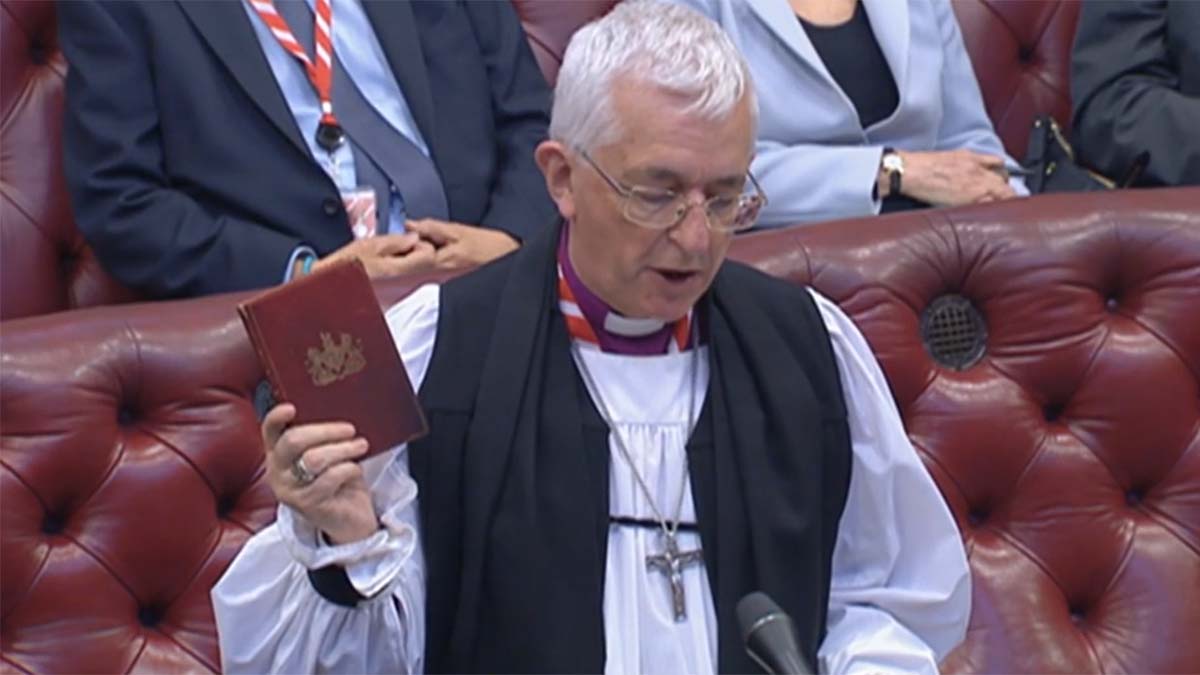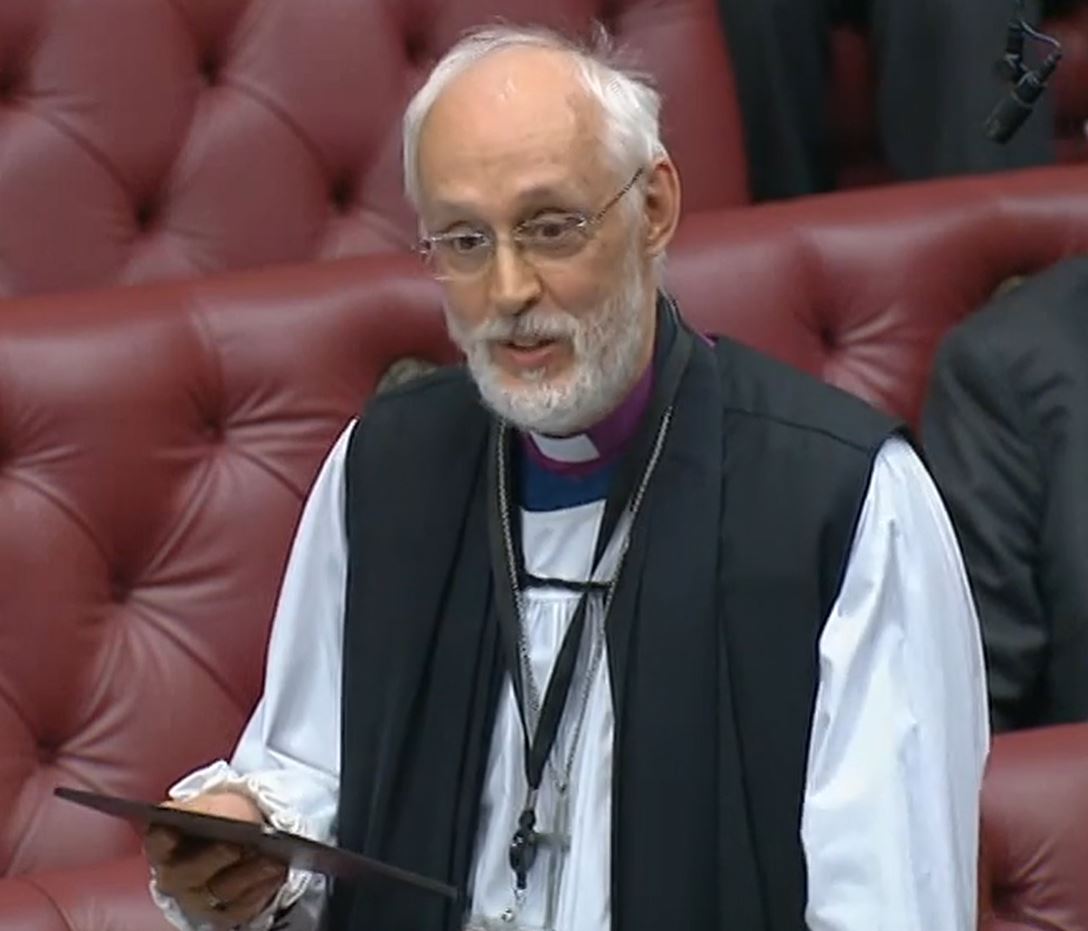
Bishop of Chichester asks about impact of new protection of premises legislation on faith and community groups

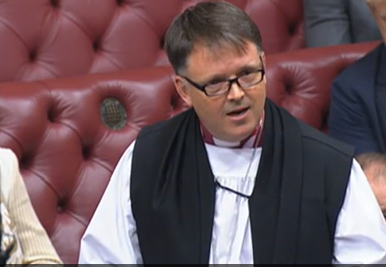
On 21st November 2024, the Bishop of Chichester asked a question on the impact of the introduction of Martyn’s law (on the requirements for public premises and events to take precautions against terrorist attacks) on small faith and community groups:

The Lord Bishop of Chichester: My Lords, I thank the Minister for his and his department’s ongoing support for all faith communities that face extreme behaviour and attacks on their buildings and property. Will the Minister update the House on what material His Majesty’s Government are preparing in response to Martyn’s law, and how they plan to communicate clear and easily understood advice for small volunteer groups, including faith groups, many of which struggle with the demands of administration and compliance?

Continue reading “Bishop of Chichester asks about impact of new protection of premises legislation on faith and community groups”

Bishop of Newcastle highlights need to support local charities and faith communities in the voluntary sector

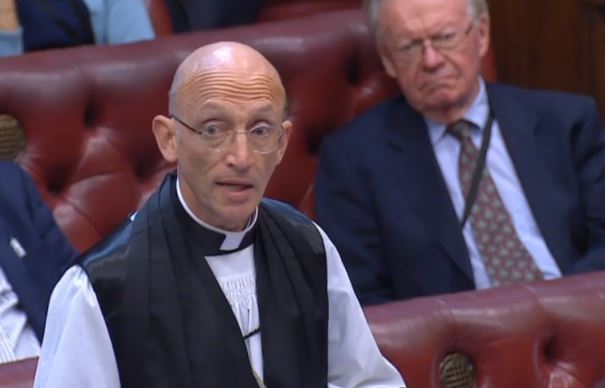
The Bishop of Newcastle spoke in a debate on the contribution of the charitable and voluntary sector to the UK on 31st October 2024, highlighting the work done by smaller local charities and the need to support the work done by faith groups in local communities:

The Lord Bishop of Newcastle: My Lords, I thank the noble Baroness for bringing this timely debate to your Lordships’ House and I look forward to the maiden speech of the noble Baroness, Lady Porter.

I recently had the privilege of attending the North East Charity Awards. I wish I could highlight all the inspiring charities and individuals featured but, for the sake of time, I will limit myself to two. The North East Young Dads and Lads Project is a support service dedicated to helping young men and fathers play an active and meaningful role in the lives of their children and wider society. The project works with them to build a greater sense of self-worth and resilience, reducing social isolation and challenging negative perceptions. Smart Works Newcastle helps unemployed women with clothing and coaching into employment, transforming their lives. Some 69% of clients gain employment within one month. These are small, local north-east charities that understand the needs of their communities and make a tangible impact. It is so often the small charities with personal relationships that can most effectively bring about lasting change in people’s lives.

Continue reading “Bishop of Newcastle highlights need to support local charities and faith communities in the voluntary sector”

Bishop of St Albans asks about tackling religious hate-crime

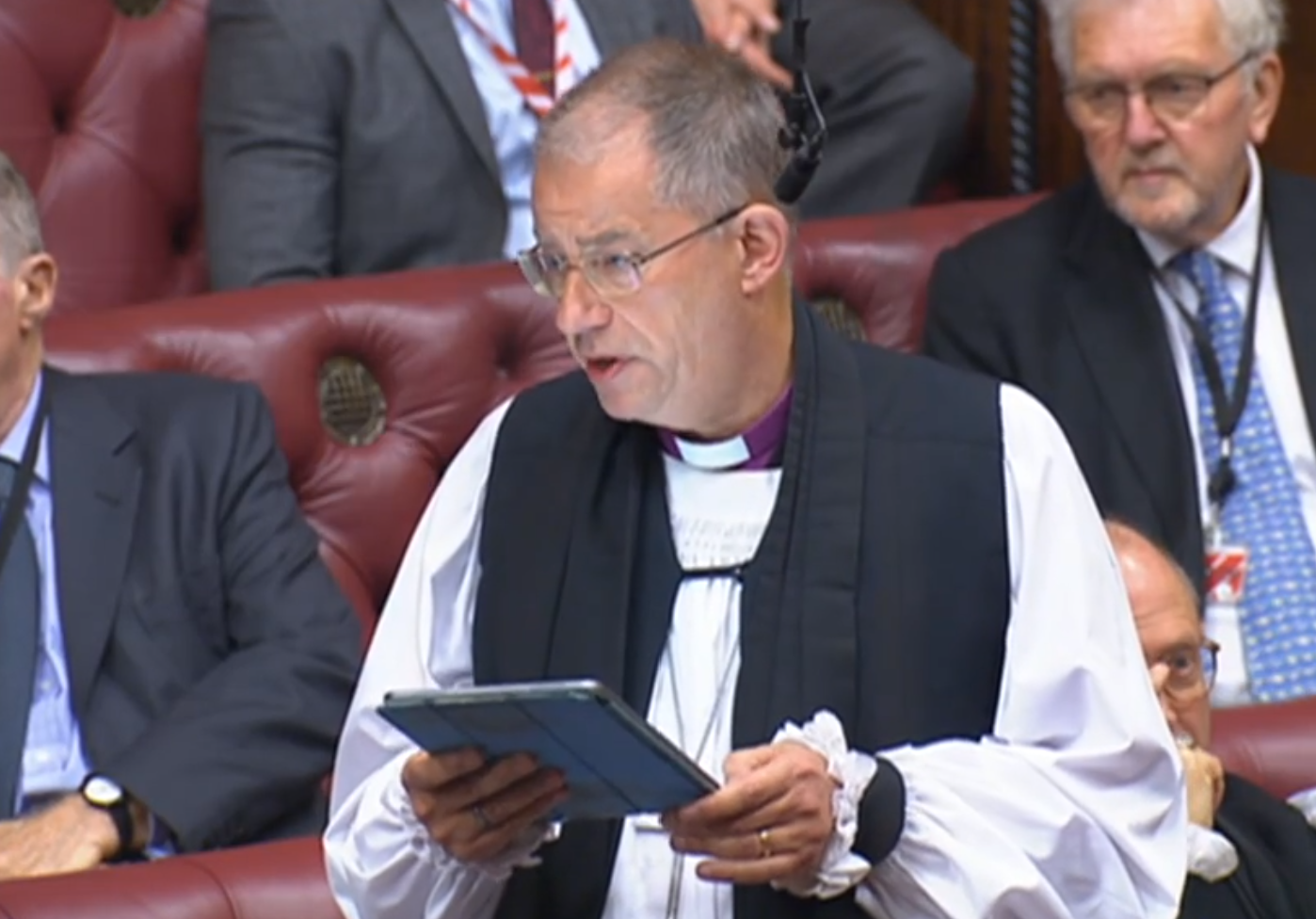
On 15th October 2024, the Bishop of St Albans tabled a question on the rise in religious hate-crimes:

The Lord Bishop of St Albans: To ask His Majesty’s Government, further to reports that religious hate crime has increased, what steps they are taking to tackle religious hate crime and strengthen community cohesion in the UK.

Continue reading “Bishop of St Albans asks about tackling religious hate-crime”

Bishop of Guildford asks about tax relief for choirs

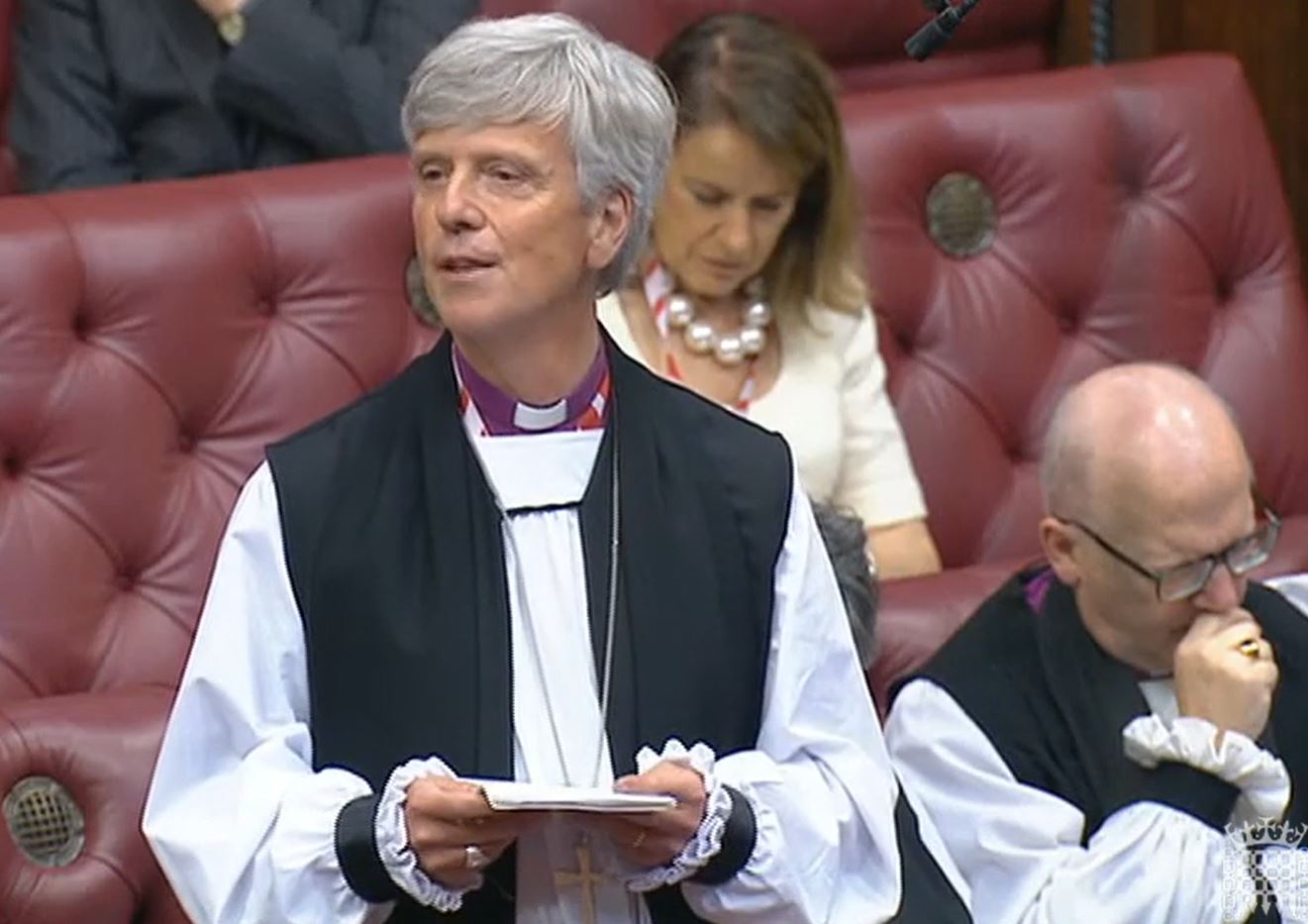
The Bishop of Guildford asked a question on the potential of offering tax relief for choir groups on 15th October 2024, during a discussion on the future of tax relief for the arts:

The Lord Bishop of Guildford: My Lords, the current relief offered to instrumental groups of 12 or more players does not extend to choirs, a situation that is logically indefensible, especially given the growing popularity of choirs across the nation. Can the Minister say whether the Government have formed a view on extending the relief to choirs, as requested by musical organisations all around the country, not least given the recent questions over the future of the BBC Singers?

Continue reading “Bishop of Guildford asks about tax relief for choirs”

Bishop of Oxford asks about community cohesion

The Bishop of Oxford asked a question on government efforts to encourage community cohesion on 8th October 2024, following a statement marking the anniversary of the October 7th attacks in Israel and the ongoing conflict in the Middle East:

The Lord Bishop of Oxford: My Lords, I thank the Minister for her very compassionate and clear Statement and the tone in which it was delivered. I also thank other noble Lords who have spoken and no doubt those who will speak about these terrible, terrible events and the effect they are having on our own communities.

Continue reading “Bishop of Oxford asks about community cohesion”

Bishop of Lichfield asks about funding for interfaith community work

The Bishop of Lichfield asked a question on government support for community interfaith initiatives on 9th September 2024, during a discussion on drivers of prejudice and hate-crimes against Muslims:

The Lord Bishop of Lichfield: My Lords, some of the most valuable and effective work that is being done to improve community relations, and so to counter religious hate crime and prejudice, is at a local and grass-roots level; for example, in Walsall we have community iftars, church-mosque twinnings, multifaith drama groups, and so on. Can the Minister tell us what the Government are providing in funding and support for local initiatives and groups of that kind?

Continue reading “Bishop of Lichfield asks about funding for interfaith community work”

Support for Infants and Parents Bill: Bishop of Norwich welcomes legislation

The Bishop of Norwich spoke in a debate introducing the Support for Infants and Parents Bill on 6th September 2024, welcoming the bill and referencing the work of the Archbishop’s Commission on Families and Households:

The Lord Bishop of Norwich: My Lords, I apologise to noble Lords for speaking in the gap. I did not expect to contribute today, but listening to the contributions so far, I was struck by the crossover with work underway by the Church and the Mothers’ Union, particularly when the noble Lord, Lord Farmer, mentioned the role of churches and faith communities.

I welcome the Bill and congratulate the noble Lord, Lord Farmer, and the right honourable Dame Andrea Leadsom on their work on this issue. Churches across the country offer support to new families and parents, providing spaces for parents to meet, share experiences and be directed to support, if needed. They provide child development services through toddler and children groups, which are essential for the formation of children before they start nursery or reception classes in school. Through Messy Church and these toddler groups, hundreds of churches are already implementing many of The Best Start for Life recommendations. Churches are delivering perhaps more than 18 of the 24 recommendations and are often partnering with local authorities to develop joint working on issues that affect all our communities.

Continue reading “Support for Infants and Parents Bill: Bishop of Norwich welcomes legislation”

Bishop of Leicester asks about tackling online abuse and prejudice

On 5th September 2024, during a discussion on the ability of current online safety legislation to regulate abuse, the Bishop of Leicester asked a question on the need to tackle the root causes of prejudice leading to online abuse, and the role communities and faith groups can play in helping to combat it:

The Lord Bishop of Leicester: My Lords, I recognise absolutely the urgency and importance of legislation in this area, but does the Minister agree that equally important is the work of tackling the prejudice that lies behind online abuse, and the important role therefore of intermediate institutions such as community groups and faith groups in tackling prejudice? What are the Government doing to support those groups in that work?

Continue reading “Bishop of Leicester asks about tackling online abuse and prejudice”

King’s Speech Debates: Archbishop of Canterbury stresses importance of engaging with faith groups in international affairs

During the King’s Speech Debate on 25th July 2024, the Archbishop of Canterbury gave a speech on foreign affairs and international relations, emphasising the importance of engaging with faith groups:

The Lord Archbishop of Canterbury: My Lords, I join noble Lords in congratulating the noble Lord, Lord Coaker, and the noble Baroness, Lady Anderson, on their appointments and on their party’s first King’s Speech. As a successor to the noble Lord, Lord Ahmad, the noble Baroness has a very hard act to follow indeed, as I am sure the whole House will recognise. I also congratulate the noble Baroness, Lady Goldie, on her remarkable meal, which, as I missed breakfast, may result in me leaving quickly to have lunch—but it will not be as good.

As others have indicated, we are living in unstable times. The Anglican Communion, in 165 countries, finds almost half our members facing conflict. Issues elsewhere in the world, however, do not confine themselves to affecting us in our international policy alone. We are recognised now by the United Nations as the most diverse nation on earth. That means that every single overseas conflict or disaster has a diaspora community here. To build a cohesive society here, domestic and foreign policy must work hand in glove.

Continue reading “King’s Speech Debates: Archbishop of Canterbury stresses importance of engaging with faith groups in international affairs”

King’s Speech Debate: Archbishop of York raises importance of faith and representation in public life

During the King’s Speech debate on 23rd July, 2024, the Archbishop of York gave a speech on the topic of the constitution, devolution and trust in democracy, raising the importance of faith in public life and the potential for other faith communities to be better represented in the House of Lords:

The Lord Archbishop of York: My Lords, it is an honour to respond to the gracious Speech. I, along with others on these Benches, welcome the noble and learned Lord, Lord Hermer, the Attorney-General, and thank him for a really moving maiden speech—not least his desire that we listen to and respect one another and work consensually.

Like others, I want to focus on one thing, which is rebuilding trust in democracy itself. The turnout on 4 July was shockingly low. Research also shows a 13% gap in turnout between constituencies with the highest and lowest proportions of home ownership. Furthermore, an estimated 400,000 people were turned away at the polling station because they did not have the right ID. These are alarming statistics, and I look forward to the changes outlined in the Government’s manifesto that could start to address them, including reducing the voting age to 16.

Continue reading “King’s Speech Debate: Archbishop of York raises importance of faith and representation in public life”