Police, Crime, Sentencing and Courts Bill: Bishop of Leeds stresses need to consult young people on issues around technology

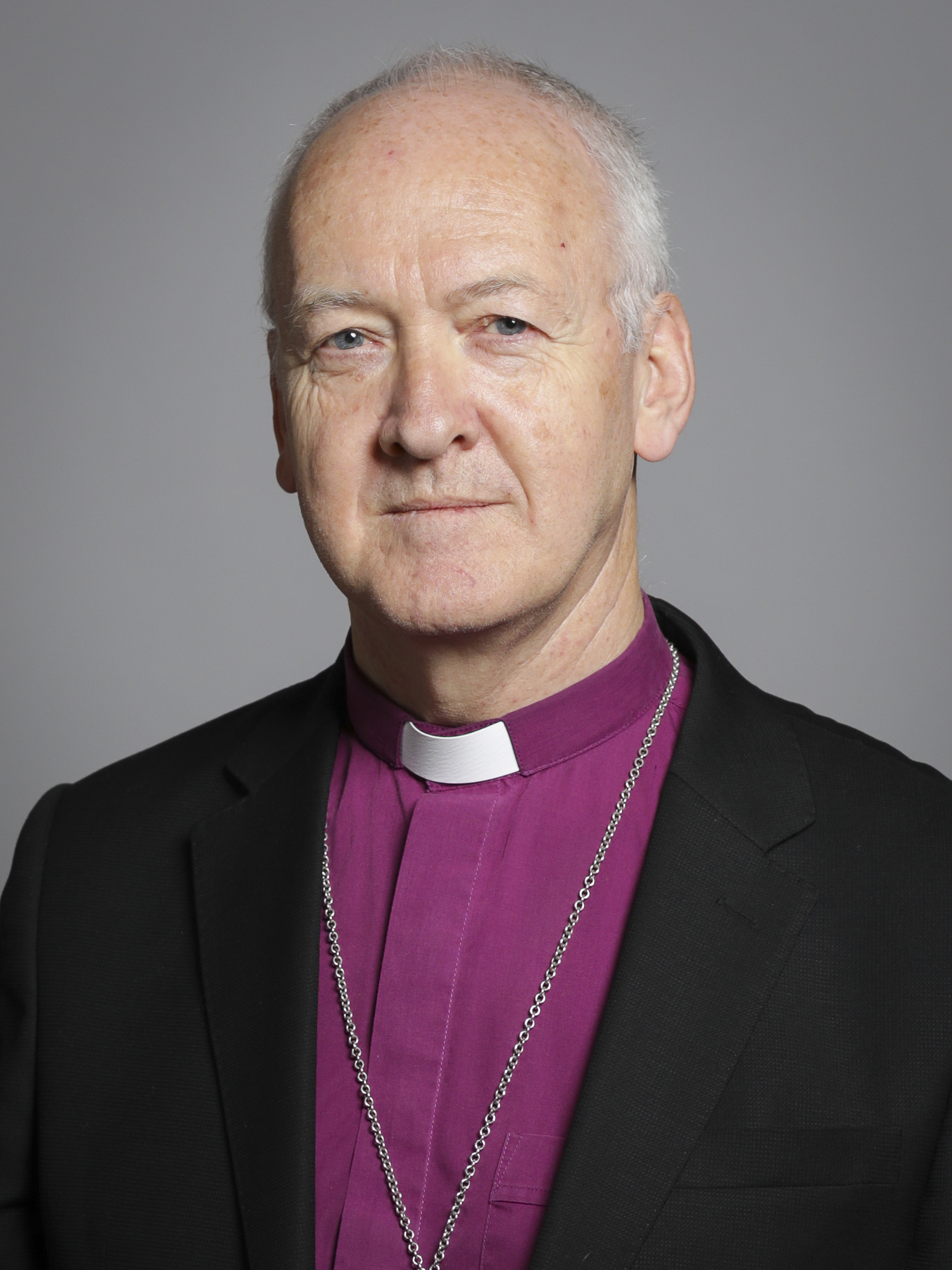
On 13th December 2021, the House of Lords debated the Police, Crime, Sentencing and Courts Bill in the second day of the report stage. The Bishop of Leeds spoke in the debate, following an amendment from Baroness Chakrabarti on digital extraction of information from devices by police, highlighting issues regarding lack of understanding of technology and the need to communicate with young people:

The Lord Bishop of Leeds: My Lords, especially following the speech by the noble Lord, Lord Carlile, I am conscious that I have no conception of what the world looks like through the eyes of my grandchildren. When I was their age there were three channels on television, which began at 4.40 in the afternoon with “Jackanory”. The world has changed considerably and, although I have tried to keep up with technology, professionally and personally, I am aware that I cannot see the world into which we are moving. We are not ahead of the game.

Continue reading “Police, Crime, Sentencing and Courts Bill: Bishop of Leeds stresses need to consult young people on issues around technology”
Votes: Police Crime Sentencing and Courts Bill

On 13th December 2021, the House of Lords debated the Police, Crime Sentencing and Courts Bill in the report stage. Votes were held on amendments to the bill, in which Bishops took part.

Continue reading “Votes: Police Crime Sentencing and Courts Bill”

Police Bill: Bishop of Leeds speaks on amendment on access to crime and accident scenes for ministers of religion

“I praise the emergency services and the police for their sensitivity in the way they have addressed this, but they are doing so within a culture that often treats religion as a private matter.”

The House of Lords considered the Government’s Police, Crime, Sentencing and Courts Bill in Committee on 22nd November 2021. The Bishop of Leeds spoke in the debate on an amendment to the Bill from Baroness Stowell of Beeston about police procedure on religious rituals or prayer at crime scenes:


The Lord Bishop of Leeds: My Lords, this is very sensitive territory. Dying is sacred and is part of our living. I think I am the only minister of religion here, and I have accompanied many people, including my own father, to and through their death. If you have been party to that, you will know that it is holy territory

One could say that violent death is even more holy because of how that dying has been brought about. It seems that there needs to be religious literacy on the part of the emergency services and the police, and that the religious bodies need also to improve their literacy in relation to the nature of these events and how they are dealt with.

Continue reading “Police Bill: Bishop of Leeds speaks on amendment on access to crime and accident scenes for ministers of religion”

Police, Crime, Sentencing & Courts Bill: Bishop of Leeds supports amendment on qualifications for court interpreters

On 22nd November 2021, the House of Lords debated the Police, Crime, Sentencing & Courts Bill. The Bishop of Leeds spoke in the debate, supporting an amendment tabled by Baroness Coussins which would establish minimum qualifications for court appointed interpreters:

The Lord Bishop of Leeds: My Lords, I endorse every word of what the noble Baroness just said. In a previous incarnation—that is probably the wrong phrase to use; I am mixing my religions—I was a professional linguist in Russian, German and French, working in government service. One of the things you learn as a professional linguist is that language goes deep. This is not simply a matter of picking someone off the street who can order a pint in a Spanish bar; you are dealing with the stuff of people’s lives. Surely accuracy is vital, for the sake of not only clarity of understanding but justice itself.

Continue reading “Police, Crime, Sentencing & Courts Bill: Bishop of Leeds supports amendment on qualifications for court interpreters”

Bishop of Leeds asks about conflict in Tigray region of Ethiopia

On 22nd November 2021, the Bishop of Leeds asked a question on the impact of the ongoing conflict in Ethiopia’s Tigray region on peacekeeping in East Africa, and on the refugee population of the area:

The Lord Bishop of Leeds: My Lords, this is a very unstable region of Africa. Ethiopia has proved crucial to stability in UN peacekeeping as well. Can the Minister say, first, how any diminution in the Ethiopian contribution to UN peacekeeping is being mitigated or compensated for elsewhere? Secondly, what is his assessment of the refugee crisis caused despite the welcome restoration of the transitional Government in Sudan?

Continue reading “Bishop of Leeds asks about conflict in Tigray region of Ethiopia”

Bishop of Leeds asks about women’s rights and religious freedom in Pakistan

The Bishop of Leeds received the following written answers on 15th November 2021:

The Lord Bishop of Leeds asked Her Majesty’s Government what representations they have made to the government of Pakistan regarding an independent, impartial and prompt investigation of allegations of (1) forced conversion, and (2) forced marriage, of girls belonging to minority communities.

Continue reading “Bishop of Leeds asks about women’s rights and religious freedom in Pakistan”

Votes: Procedures & Privileges

On 13th July 2021, the House of Lords debated a report from the Procedures and Privileges Committee regarding proposed changes to procedures in the House. Votes were held on a motion to approve the changes, and amendments to the main motion, in which Bishops took part:

Continue reading “Votes: Procedures & Privileges”

Bishop of Leeds asks about freedom of religion in Pakistan

The Bishop of Leeds received the following written answer on 12th July 2021:

The Lord Bishop of Leeds asked Her Majesty’s Government what assessment they have made of the extent of freedom of (1) religion, and (2) belief, in Pakistan; and what is their strategy for supporting those freedoms in that country.

Lord Ahmad of Wimbledon (Con, Foreign Office): The UK is committed to defending freedom of religion or belief (FoRB) for all, and promoting respect between different religious and non-religious communities around the globe. Pakistan is one of the FCDO’s human rights priority countries and protecting FoRB is an integral part of our engagement on human rights in Pakistan. The UK Government strongly condemns the persecution of all minorities, including the targeting of innocent people based on their beliefs.

Continue reading “Bishop of Leeds asks about freedom of religion in Pakistan”

Bishop of Leeds asks about impact of cuts to overseas aid on freedom of religion and belief

During a debate on freedom of religion and belief internationally following an APPG report, the Bishop of Leeds asked a question on the impact cuts to overseas aid would have on countries such as Nigeria:

The Lord Bishop of Leeds: I thank the Minister for the priority he gives to freedom of religion or belief, but Her Majesty’s Government are reducing aid to many countries and regions prone to serious freedom of religion or belief violations, including an apparent 58% cut in ODA to Nigeria while the country faces immense challenges due to a surge in religious-based violence. Will the Minister describe the anticipated impacts of these aid cuts on violence and stability in Nigeria and indicate how any such impacts might be mitigated?

Continue reading “Bishop of Leeds asks about impact of cuts to overseas aid on freedom of religion and belief”

Bishop of Leeds asks about religious freedom in Pakistan

The Bishop of Leeds received the following written answer on 8th July 2021:

The Lord Bishop of Leeds asked Her Majesty’s Government:

  • what steps they are taking to engage with (1) religious, and (2) belief, leaders in Pakistan about the state of freedom of (a) religion, and (b) belief, in that country; and what support they are providing to help those leaders address any matters of concern.
  • what discussions they have had with the government of Pakistan concerning the state of freedom of (1) religion, and (2) belief, in that country; and what support they have offered that government to protect those freedoms.
Continue reading “Bishop of Leeds asks about religious freedom in Pakistan”