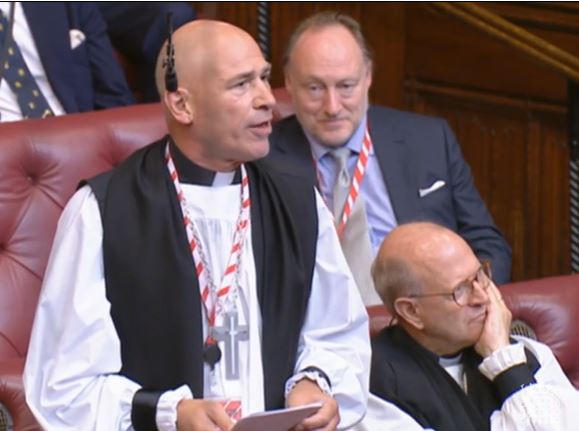
Bishop of Oxford takes part in debate on role of AI in society

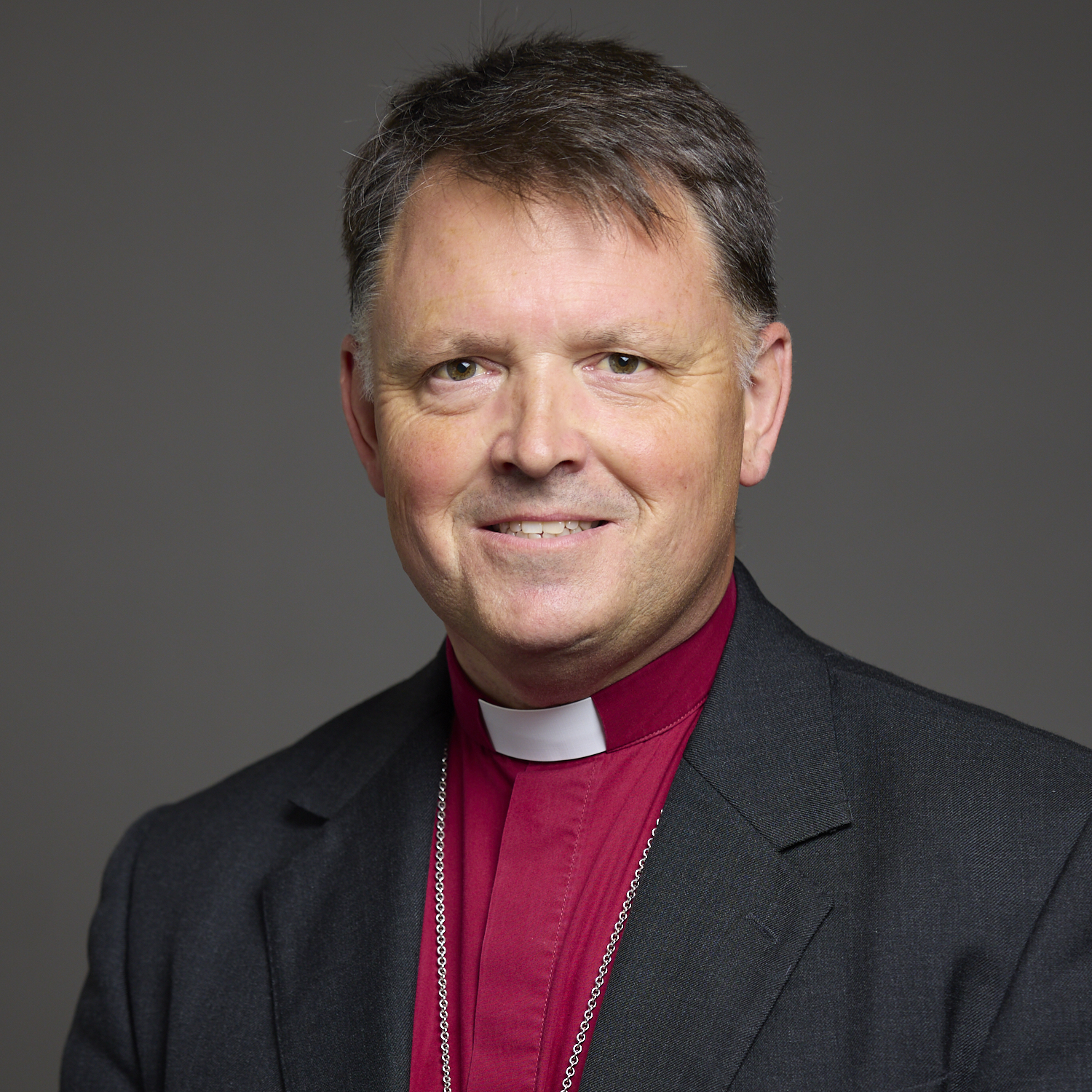
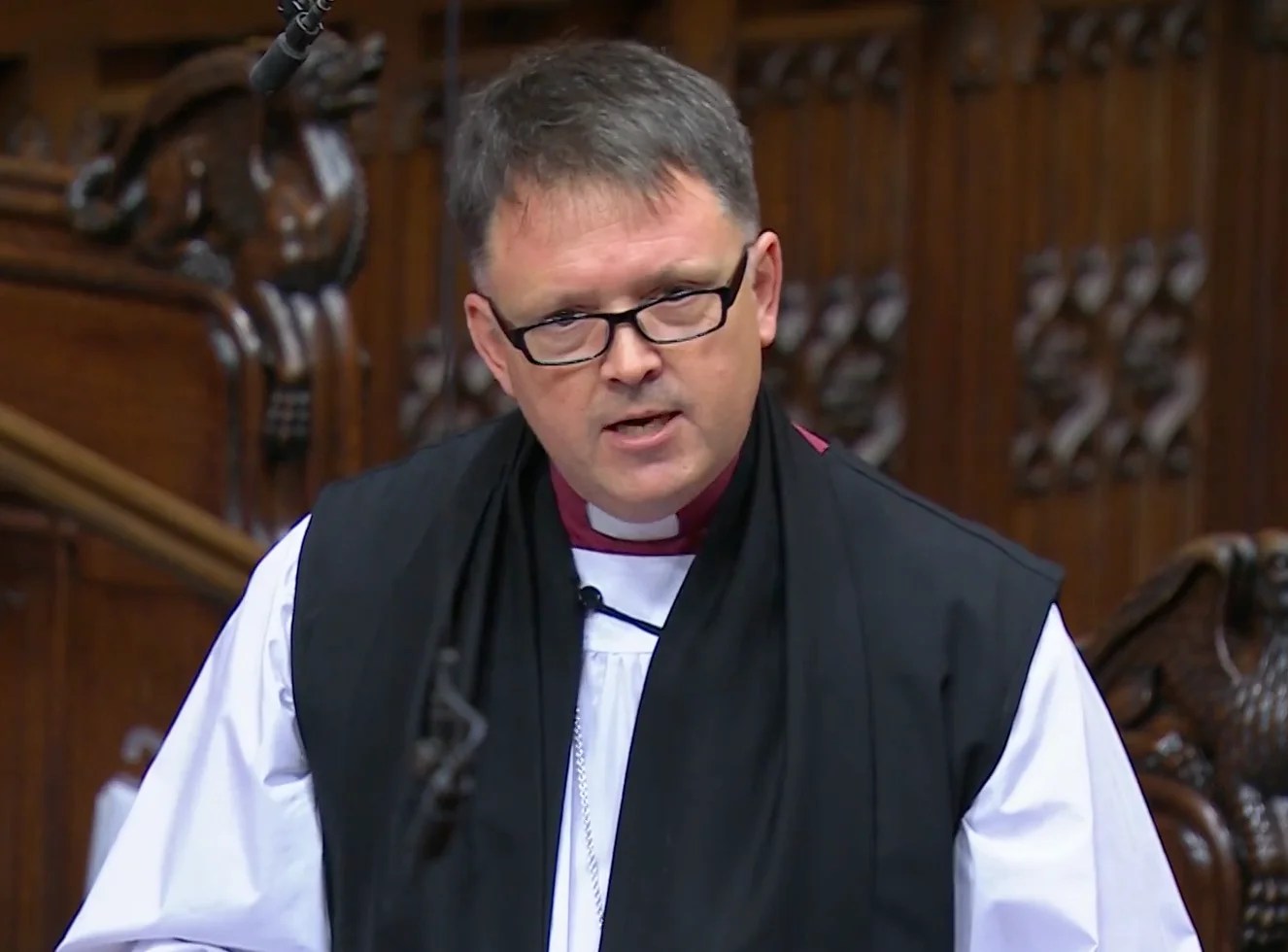
The Bishop of Oxford spoke in the Archbishop of Canterbury’s debate on AI and society, raising the impact of AI adoption in the workplace and the need for meaningful employment pathways for UK workers:

The Lord Bishop of Oxford: My Lords, it is a real pleasure to take part in the debate and particularly to follow the noble Lord, Lord Tarassenko, with his wisdom and great knowledge of the field.

Humanity stands at a real crossroads in the present moment. Artificial intelligence brings many potential benefits, as the most reverend Primate the Archbishop of Canterbury said, but also great jeopardy for the world. The Prophet Jeremiah invites the people of his generation facing crisis to:

“Stand at the crossroads, and look, and ask for the ancient paths, where the good way lies; and walk in it, and find rest for your souls”.

Continue reading “Bishop of Oxford takes part in debate on role of AI in society”

Archbishop of Canterbury leads debate on impact of AI on human relationships

The Archbishop of Canterbury led a debate on the role and impact of artificial intelligence on society and human relationships on 5th June 2026:

The Lord Archbishop of Canterbury: My Lords, I wish to thank the usual channels for allowing me to hold this debate today and the parliamentary staff who have enabled it to happen.

In the Bible, the writer of the Book of Hebrews says of human beings:

“You made them a little lower than the angels; you crowned them with glory and honour and put everything under their feet”.

God created human beings in His own image, with glory and honour—each and every one of us, regardless of who we are or what we do. We carry an inherent dignity and immeasurable value. This is not in spite of our weakness, vulnerabilities or limitations but in many ways because of and through them. God made us to be relational beings, in need of Him and in need of others, not sufficient on our own.

Continue reading “Archbishop of Canterbury leads debate on impact of AI on human relationships”

Bishop of Winchester asks about aid delivery and civilian safety in the Democratic Republic of Congo

The Bishop of Winchester received the following written answer on 5th June 2026:

The Lord Bishop of Winchester asked His Majesty’s Government what steps they are taking to facilitate (1) humanitarian aid delivery, and (2) the safe passage of civilians, in South Kivu’s Hauts Plateaux in the Democratic Republic of the Congo.

Continue reading “Bishop of Winchester asks about aid delivery and civilian safety in the Democratic Republic of Congo”

Bishop of Leicester calls for increase in overseas aid to combat conditions leading to atrocity crimes

The Bishop of Leicester spoke in a debate on combatting genocide and atrocity crimes on 4th June 2026, calling for greater investment in overseas development aid to combat conflict and related conditions:

The Lord Bishop of Leicester: Like other noble Lords, I am in awe of the noble Lord, Lord Alton, for his patience and persistence in keeping the question of atrocity prevention before this Chamber. I thank him and indeed all those who have spoken. It is not my intention to repeat any of what has already been said: rather, I shall go deeper into the area of the relationship between conflict prevention and overseas aid.

The wholesale dismantling of the United States Agency for International Development has given us for the first time something close to a controlled experiment in what happens when a major donor abruptly walks away from fragile states. A study published last month in Science examined 870 subnational regions across most of the African continent in the 10 months before and after USAID came to an abrupt stop. Using a difference-in-differences design, it compared places that had been heavily reliant on USAID with otherwise comparable places that had not.

Continue reading “Bishop of Leicester calls for increase in overseas aid to combat conditions leading to atrocity crimes”

Bishop of Hereford takes part in debate on regulation of artificial intelligence

The Bishop of Hereford spoke in a Grand Committee debate on the possibility of a cross-sector AI regulation bill on 4th June 2026:

The Lord Bishop of Hereford: I too congratulate the noble Lord, Lord Holmes, on securing this debate. Given the pace of AI development, it could not be more timely. As Pope Leo said in his recent encyclical:

“Each generation inherits the task of shaping its own era, of guiding history to become a place where the dignity of every person is safeguarded, justice is promoted and fraternity is made possible”.

Continue reading “Bishop of Hereford takes part in debate on regulation of artificial intelligence”

Bishop of Chelmsford raises impact of cost of living and financial insecurity on family planning

The Bishop of Chelmsford spoke in a debate on declining birth rates on 4th June 2026, pointing out the impact of shifting costs of living on the ability to start families:

The Lord Bishop of Chelmsford: My Lords, as we have heard, declining birth rates carry profound economic and social consequences. The story of human origins in the Book of Genesis begins with a God-given mandate to populate the Earth, and supports the basic goodness of family life. The Christian tradition has consistently affirmed the value of children. The baptism liturgy declares that children are a blessing and a gift from God. That conviction remains important, not only for people of faith but for society as a whole. Children represent continuity, connecting us with the generations that have gone before us and giving hope for the future. They are a gift to the whole community, not only to their parents and others who may raise them.

It is important, however, to understand the complex factors behind declining birth rates, which, as mentioned by the noble Lord, Lord Davies of Brixton, include women’s choice but also fearfulness about the future, difficulties in combining career and family and financial pressures. The expense of housing, student loan repayments and the rising cost of living all contribute to delaying family formation. Couples now marry later, start a family later and often have fewer children than hoped for, not least because, by the time financial circumstances may seem more favourable, biology may well be less co-operative.

Continue reading “Bishop of Chelmsford raises impact of cost of living and financial insecurity on family planning”

Bishop of Chelmsford speaks in debate on fertility treatments

The Bishop of Chelmsford spoke in a debate on the regulation of fertility treatments, emphasising the importance of the issue and the need for consideration in forming policy:

The Lord Bishop of Chelmsford: My Lords, I recognise the depth of expertise in this Chamber and that my background is not a scientific one. However, it is incumbent on us all to engage in these crucial issues, which hold wide significance and implication. I approach this debate in the knowledge of what it is to long deeply for children. I am profoundly grateful for the gift of my own three children following the experience of difficult and intrusive treatment over many years, including miscarriages and several cycles of IVF. Indeed, if I may be personal, I was for a number of years a patient under the care of the noble Lord, Lord Winston, for whom I have both affection and great admiration and to whose speech I listened very carefully indeed.

I want to recognise the highly complex and agonising experiences of infertility that many go through, and what it is like to have an unfulfilled longing for a child. This debate takes place in a profoundly challenging scientific, moral, legal and emotional context. I recognise that the lives of my children are the result of extraordinary scientific and medical advances, but, ultimately, like any child, they are a remarkable gift from God. Throughout the treatment, I was always aware that they were never a right of mine to be claimed. Good legislation, thoughtful limits and sober weighing of the implications of those limits are vital if we are to continue responsibly in this work with clarity for all. Indeed, I know personally the importance of those limits for tempering what can be a very human dimension, which, if unchecked, can lead to desperation and a willingness to do anything to have a child.

Continue reading “Bishop of Chelmsford speaks in debate on fertility treatments”

Bishop of Hereford asks about impact of AI on jobs

The Bishop of Hereford asked a question on impact of AI in the job market on 4th June 2026:

The Lord Bishop of Hereford: My Lords, I want to ask the Minister about the issue of AI in this context. I speak with some personal experience, in that my son’s partner has recently been made redundant as the result of an AI system that she herself developed. It is inevitable that AI systems will grow, unchecked and unregulated, and will continue to reduce entry-level jobs across a range of sectors. What projections have the Government made of this, and what action do they plan to take to ensure that a healthy entry-level job market will remain for young people?

Continue reading “Bishop of Hereford asks about impact of AI on jobs”

Bishop of Leicester urges government to tackle knife crime and misinformation following unrest over recent murder

On 3rd June 2026, the Bishop of Leicester asked a question on government commitments to tackling knife crime and expressed solidarity with the Sikh community in response to a government statement on the recent unrest following the murder of Henry Nowak in Southampton:

The Lord Bishop of Leicester: My Lords, my thoughts and prayers are also with the family and friends of Henry Nowak in their grief and suffering. Like many others, I echo the courageous words of Henry’s father in his powerful call that his son’s death should not,

“be used to create further division, hatred or tension”.

Continue reading “Bishop of Leicester urges government to tackle knife crime and misinformation following unrest over recent murder”

Social Housing Bill: Bishop of Manchester speaks at second reading

The Bishop of Manchester spoke at the second reading of the Social Housing Bill on 1st June 206, noting the need for secure and high-quality social housing to combat child poverty and help build communities:

The Lord Bishop of Manchester: My Lords, it is always daunting to follow the noble Lord, Lord Best, on a matter to do with housing. I begin by declaring my interest: I am the chair of the Church Housing Association, a recently formed, not-for-profit social housing provider that we are seeking to build, literally and metaphorically, on the five core values that were set out in the most reverend Primate the Archbishop of Canterbury’s commission on housing, Coming Home, which was debated in your Lordships’ House a few years ago. Those values—that social housing should be safe, secure, sustainable, sociable and satisfying—provide a set of tests against which any proposed legislation could be measured, hence I warmly welcome the Bill. It will make social housing better.

Housing is a fundamental human right. It is a foundation for other core rights, including things such as health, dignity, sanitation and sometimes the right to life itself. The Bill rightly addresses the concern that there is not enough stock in this country to house those in need.

Continue reading “Social Housing Bill: Bishop of Manchester speaks at second reading”