Terminally Ill Adults (End of Life) Bill: Bishop of Chester raises duty of care towards families

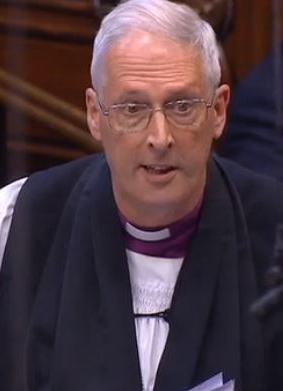
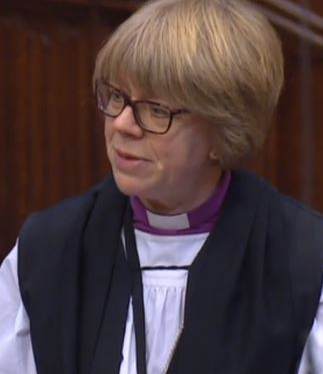
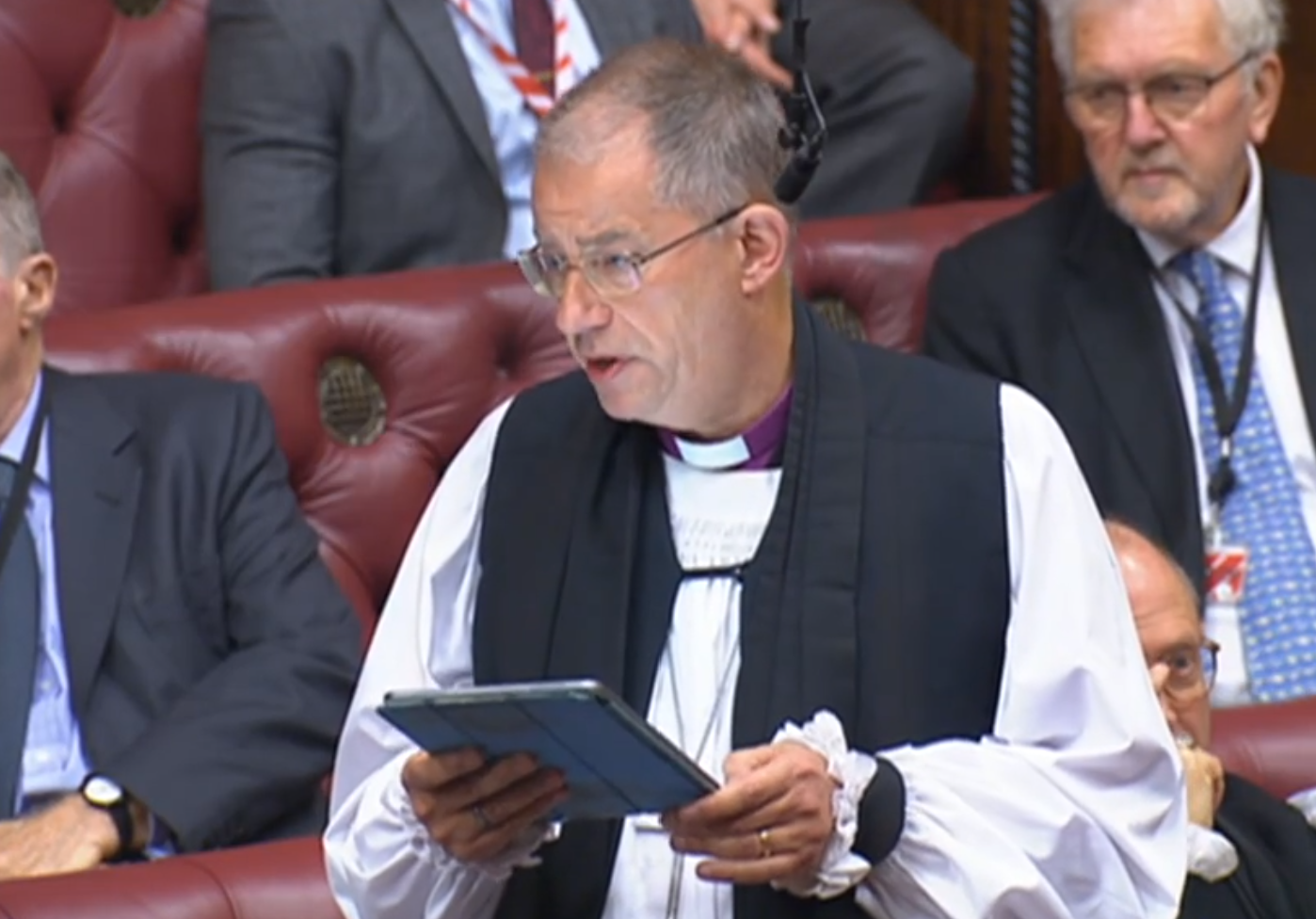
The Bishop of Chester spoke during a debate on the Terminally Ill Adults (End of Life) Bill on 16th January 2026, noting the responsibility of care towards families of the deceased affected by the bill:

The Lord Bishop of Chester: My Lords, this is an important and moving debate. It is an honour to speak in it and to follow some of the previous contributions. These amendments highlight the fact that eligibility is not the same as motivation. I agree with almost everything that has been said before me; I will not delay the Committee by repeating those points.

There are two things that I want to bring to your Lordships’ attention. First, I remind noble Lords of points made by my right reverend friend the Bishop of Gloucester. The Bill, if passed, will apply to those in our prison system, for whom there will be very particular motivations, which we need to make sure can be fairly applied to them.

Continue reading “Terminally Ill Adults (End of Life) Bill: Bishop of Chester raises duty of care towards families”

Children’s Wellbeing and Schools Bill: Bishop of Gloucester supports amendment to prohibit physical punishment of children

The Bishop of Gloucester spoke in support of an amendment to the Children’s Wellbeing and Schools Bill aimed at prohibiting the physical punishment of children on 14th January 2026:

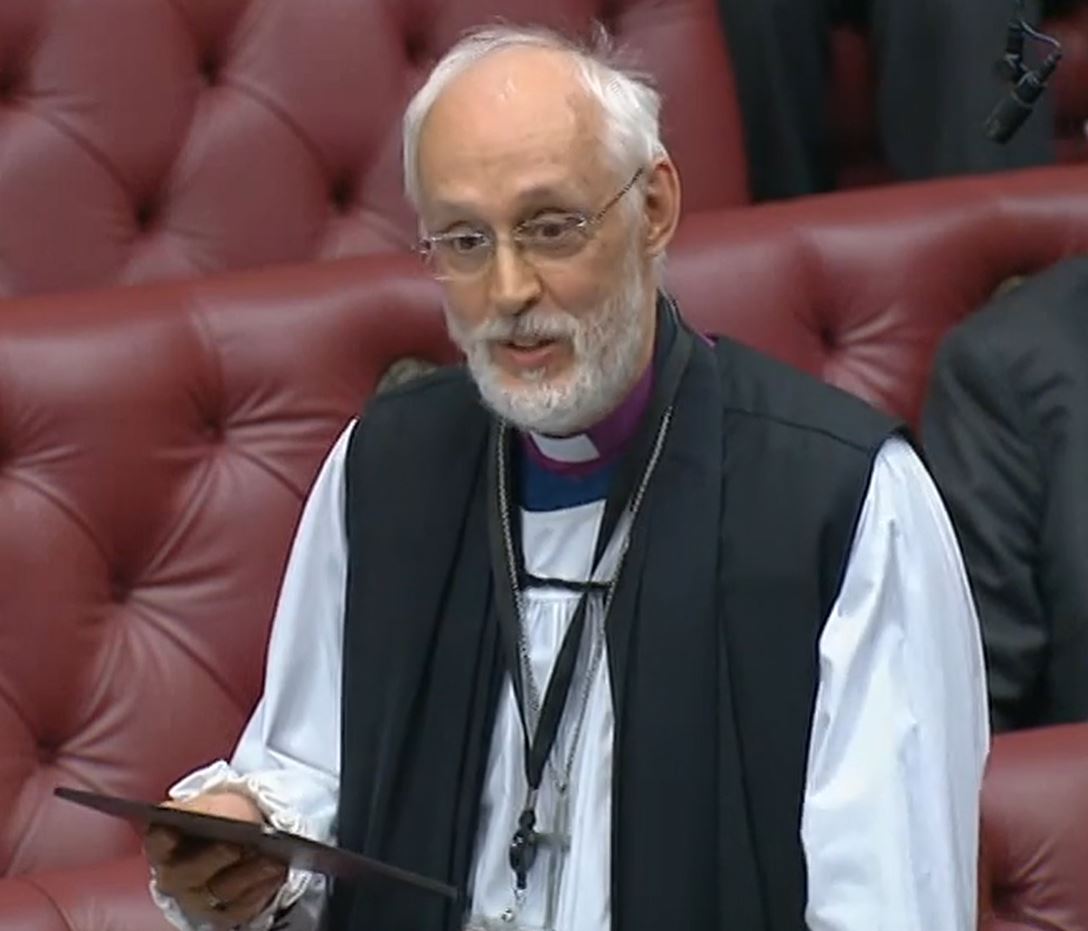
The Lord Bishop of Gloucester: My Lords, I support Amendment 97. The abolition of the physical punishment of children is something that many of us on these Benches have long endorsed. My right reverend friends the Bishop of Manchester and the Bishop of Derby in particular wanted to reiterate that support alongside mine.

The amendment is eminently sensible, as we have just heard. I was pleased to read in the report from Wales that the introduction of the role of the out-of-court parenting support worker has significantly facilitated the implementation of this Act, as we have heard. My concern when we talk about legislation with penalties is always the unintended consequences, in this case for parents and wider families—we do not need any more children being impacted by parental imprisonment—but it is music to my ears that these parenting support workers in Wales have been instrumental in engaging with families, offering guidance on positive parenting strategies and providing early preventive support to resolve those issues, as we have heard, before they escalate to criminal proceedings. In short, I always support evidence-based policy-making, and this seems like a sensible step in the right direction on this issue. I support Amendment 97.

Hansard

Crime and Policing Bill: Bishop of Manchester speaks to amendments on policing of public gatherings

The Bishop of Manchester spoke to two groups of amendments on regulation of public gatherings during a debate on the Crime and Policing Bill on 13th January 2026, pointing out the possible unintended impact of religious processions and events:

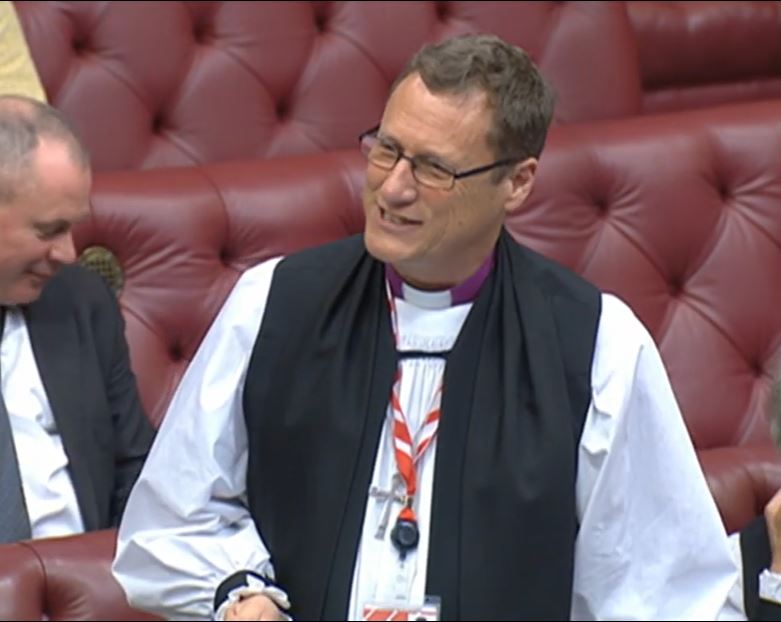
The Lord Bishop of Manchester: My Lords, the more I listen to the debate this afternoon, the more worried I am getting. It seems to me that, over recent years, we have successively tightened up regulations around protests, including quite peaceful protests, making it harder and harder for people to express publicly their deep concerns around a whole range of issues. I am not sure that we need more clarity; that is for judges and juries to determine on the details of a particular case. The whole principle of the jury system is that we are judged by our peers and that, if we have undertaken some activity which has brought us before the courts, it is for other people like us to determine on the particular instances. They can take into account the culture and context, in a way that is impossible to do by way of legislation. I am quite wary about over- specifying here. Sometimes clarity is not necessarily the best thing to achieve.

Continue reading “Crime and Policing Bill: Bishop of Manchester speaks to amendments on policing of public gatherings”

Votes: Diego Garcia Military Base and British Indian Ocean Territory Bill

On 12th January, the House of Lords debated the third reading of the Diego Garcia Military Base and British Indian Ocean Territory Bill. A vote was held on a regret motion associated with the bill, in which a Bishop took part:

Continue reading “Votes: Diego Garcia Military Base and British Indian Ocean Territory Bill”

Crime and Policing Bill: Bishop of Manchester raises issue of women’s safety on public transport

The Bishop of Manchester spoke in a debate on amendments to the Crime and Policing Bill on 7th January 2026, highlighting the issue of safety at night on public transport for women and girls:

The Lord Bishop of Manchester: My Lords, I am grateful for this short debate. I would like to widen it a little beyond railways. I am blessed in living in Greater Manchester at the heart of a major Metrolink tram network, which has many similarities to the railways. There are often very few staff late at night, particularly on the trams, and women and girls are especially vulnerable on those occasions. This Bill, if it is not just about the rail network, may be the better Bill to cover these issues and ensure that women and girls are safe and protected from violence on our whole public transport network.

Hansard

Votes: Sentencing Bill

On 6th January 2026, the House of Lords debated the Sentencing Bill. Votes were held on amendments to the Bill, in which Bishops took part:

Division 2:

The Bishop of Chester and the Bishop of Gloucester took part in a vote on an amendment tabled by Lord Keen of Elie:

Lord Keen of Elie moved amendment 25, in clause 1, page 3, line 10, at end to insert—
“(i) the offender has been convicted of a sexual offence, within the meaning of section 3 of the Sexual Offences Act 2003, or
(j) the offender has been convicted of an offence which constitutes domestic abuse within the meaning of section 1 of the Domestic Abuse Act 2021.”

The amendment was disagreed. Content: 180 / Not Content: 219

The Bishop of Chester and the Bishop of Gloucester voted Not Content.

Hansard

Continue reading “Votes: Sentencing Bill”

Sentencing Bill: Bishop of Gloucester tables amendment defining the purpose of imprisonment

During a debate on the Sentencing Bill on 6th January 2025, the Bishop of Gloucester tabled her amendment to the bill, inserting a new clause which “would define the purposes of imprisonment in law and require the courts and the Secretary of State to have regard to the purposes of imprisonment:

The Lord Bishop of Gloucester: After Clause 4, insert the following new Clause—

“Purposes of imprisonment(1) Where a court is imposing sentence the court must have regard to the purposes of imprisonment.(2) The Secretary of State must have regard to the purposes of imprisonment when exercising the Secretary of State’s duties under this Act. 

(3) For the purposes of subsections (1) and (2) the purposes of imprisonment are—(a) the incapacitation of prisoners in order to restrict their ability to re-offend in the community,(b) the rehabilitation of prisoners under safe and decent conditions to reduce re-offending,(c) the deterrence of prisoners and others from committing further offences, and(d) the just punishment of prisoners, including provision to achieve justice for the victims of crime.”Member’s explanatory statement

This new clause would define the purposes of imprisonment in law and require the courts and the Secretary of State to have regard to the purposes of imprisonment.

My Lords, I am bringing back this amendment on Report as I do not think it was adequately addressed in Committee. Amendment 52, in my name and that of the noble Lord, Lord Moylan, would define in law the purposes of imprisonment and require the courts and the Secretary of State to have regard to the purposes of imprisonment.

Continue reading “Sentencing Bill: Bishop of Gloucester tables amendment defining the purpose of imprisonment”

Votes: Diego Garcia Military Base and British Indian Ocean Territory Bill

On 5th January 2026, the House of Lords debated the Diego Garcia Military Base and British Indian Ocean Territory Bill. Votes were held on amendments to the bill, in which Bishops took part:

Continue reading “Votes: Diego Garcia Military Base and British Indian Ocean Territory Bill”

Biodiversity Beyond National Jurisdiction Bill: Bishop of Norwich supports amendments on ocean pollution

The Bishop of Norwich spoke in support of amendments to the Biodiversity Beyond National Jurisdiction Bill aimed at responding to risks of plastic pollution in oceans and protection of deep seabed environments on 16th December 2025:

The Lord Bishop of Norwich: My Lords, I support Amendments 6, 8 and 10. I pay tribute to the Minister for the commitment that she is giving to the Bill. It is absolutely right that we align ourselves with the treaty and are able to be participants at the first Conference of the Parties. I thank her for the thoroughness with which she is going through it.

Continue reading “Biodiversity Beyond National Jurisdiction Bill: Bishop of Norwich supports amendments on ocean pollution”

Crime and Policing Bill: Bishop of Manchester raises point on safeguarding in private tutoring

The Bishop of Manchester raised a point on the inclusion of private music tuition under safeguarding regulations during a debate on the Crime and Policing Bill on 15th December 2025:

The Lord Bishop of Manchester: My Lords, one area that is of great concern to me is private music tuition. I have had some pretty horrendous safeguarding cases to deal with in churches, where a church musician who has committed some serious offences has gone on to privately tutor underage pupils. That particular form of tuition—which is very often done privately, arranged by parents who see an advertisement on the internet or in a newspaper—needs to be included.

Continue reading “Crime and Policing Bill: Bishop of Manchester raises point on safeguarding in private tutoring”