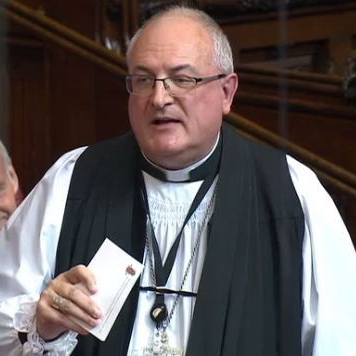
The Bishop of Leeds received the following written answer on 29th April 2021:
The Lord Bishop of Leeds asked Her Majesty’s Government what assessment they have made of the efficacy as a deterrent of the sanctions imposed on the government of Russia since 2014.
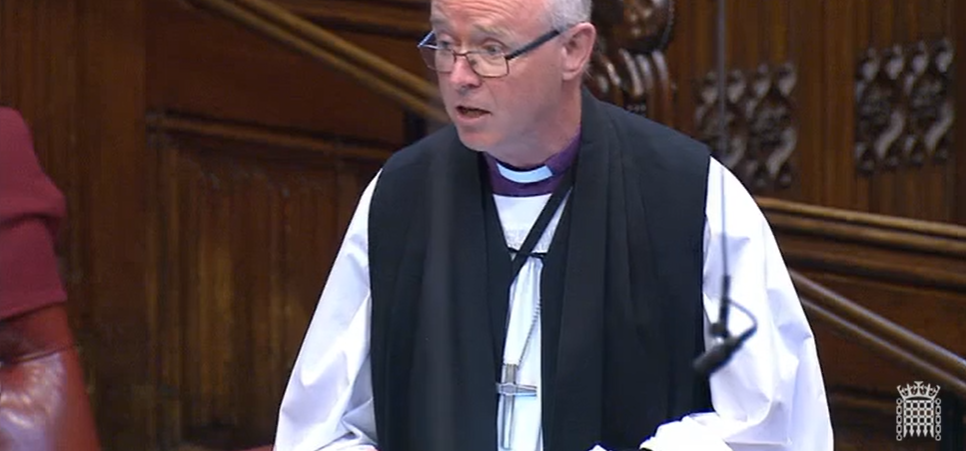
The Bishop of Bristol received the following written answer on 29th April 2021:
The Lord Bishop of Bristol asked Her Majesty’s Government how many bids were received from organisations to provide information sessions on employment rights for overseas domestic workers; whether any of the bids have been successful; and when they expect the sessions to begin.
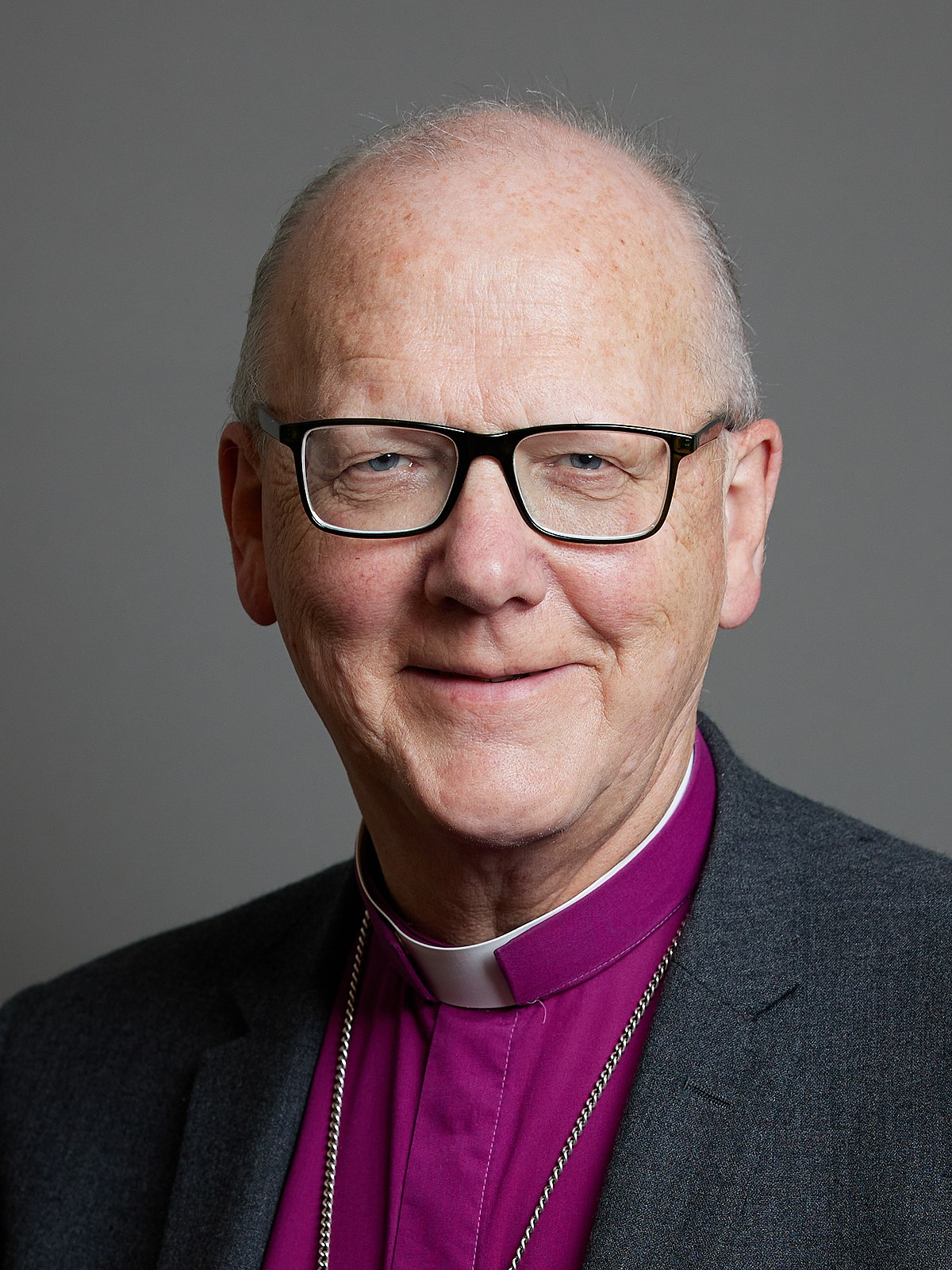
The Bishop of Coventry received the following written answers on 29th April 2021:
The Lord Bishop of Coventry asked Her Majesty’s Government:
what assessment they have made of the opening of a museum in Azerbaijan on the second Nagorno Karabakh War on relations between Armenia and Azerbaijan.
what steps they are taking to promote dialogue between Azerbaijan and Armenia.
On 28th April 2021, the House of Lords debated Commons Reasons and Amendments to the Fire Safety Bill. Votes were held on further amendments to the bill, in which Bishops took part:
On 28th April 2021, the House of Lords debated amendments to the Fire Safety Bill. The Bishop of Rochester spoke in the debate, raising concerns he and other members of the Bishops Benches had over the effects of the bill on tenants and leaseholders:
The Lord Bishop of Rochester: My Lords, the right reverend Prelates the Bishop of St Albans and the Bishop of London have both been involved in earlier stages on the Bill and, regretfully, neither is able to be in your Lordships’ House this evening. However, I come with my own background and interests, as a former board member of various housing associations over 25 years and as the former chair of the charity Housing Justice.
As noted by the noble Baroness, Lady Pinnock, the right reverend Prelate the Bishop of St Albans has been heavily involved in this matter and has been persistent. He said yesterday that none of us wanted to be in this position at this stage. But while so much of the Bill is welcome—not least the £5 billion which has been referred to—there are continuing and serious concerns, some of which have already been expressed in the debate this evening, about the position of leaseholders and tenants, and particularly certain groups of leaseholders and tenants.
On 28th May 2021, the House of Lords debated a motion to pass the Abortion (Northern Ireland) Regulations 2021. Votes were held on amendments to the motion, in which Bishops took part.
The Bishop of Southwark spoke in a debate on cuts to overseas development aid on 28th April 2021, pointing out the conflicts between this and the UK’s professed desire to expand engagement overseas:
The Lord Bishop of Southwark: My Lords, like other speakers, I share the ambition of the noble Lord, Lord Alton, to see these cuts reversed. I want to tease out from Her Majesty’s Government what is the scope of their ambition. In his foreword to the review, the Prime Minister writes of our deepening engagement in trade, security and mutual values in the Indo-Pacific. The noble Lord, Lord Hastings of Scarisbrick, spoke of the UK carrier fleet, including HMS “Queen Elizabeth”, which will be heading to the Indo-Pacific next month. I note that it will include Dutch and US vessels, emphasising precisely the sort of partnerships that the Government espouse. However, as a frequent visitor to Zimbabwe and the Middle East, I would like to hear from the Minister, in the light of the unprecedented cuts in aid, how Britain will make a positive impact in these areas as well increasing our economic and security presence east of Suez. How do we project ourselves with greater effect around the globe if we cut aid, have a historically numerically small military force, have a reduced diplomatic presence, and operate one of the most expensive immigration and nationality systems in the world?
On 28th April 2021, the Bishop of Carlisle spoke in opposition to the passage of the Abortion (Northern Ireland) Regulations, citing the issue of devolution and the inclusion in the regulations of the legalisation of abortion in cases of severe foetal impairment:
The Lord Bishop of Carlisle: My Lords, we are all aware of the sensitivities surrounding abortion, as the noble Viscount, Lord Younger, has observed, and also of the wide range of deeply held views that it provokes. However, whatever our own particular standpoint on abortion per se, which is, as the House has been reminded, now legal in Northern Ireland, there are two specific aspects of these regulations which must be of general concern. One has to do with devolution, as we have already been reminded. To quote from a recent statement issued by the Archbishop of Armagh:
“It is a matter of regret that the Secretary of State for Northern Ireland intends to seek powers from Parliament to give direction to the Department of Health in Northern Ireland around what is clearly a devolved matter.”
The Bishop of Rochester spoke in a debate on the UK’s approach to overseas development aid on 28th April 2021, pointing out that the UK’s reduction of aid and involvement has led to the increased involvement of other state actors:
The Lord Bishop of Rochester: My Lords, UK aid is important because it works. This is not money that is wasted; it is well targeted, well managed and, some of our history notwithstanding, not exploitative. Yes, there have been well-publicised scandals in some aid organisations and some aid may be misapplied, but the overall picture is of effective partnerships and fruitful work. Because UK aid works, its reduction will have tangible effects.
My diocese has close links with the dioceses of Mpwapwa and Kondoa in central Tanzania; I should have been there next week. We work with our colleagues on various small-scale development projects. When there, I also see the importance of other projects funded in whole or part with UK government funding. Over the years, British aid has been of great significance in Tanzania.
On 28th April 2021, Bishop of Rochester asked a question on how beneficial it would be for faith groups to engage in efforts to end the continued captivity of Nazanin Zaghari-Ratcliffe in Iran:
The Lord Bishop of Rochester: My Lords, the ordeals of Nazanin Zaghari-Ratcliffe go from bad to worse. These Benches assure her and her family of our continued prayers. As many have made clear, including in the other place powerfully yesterday, she is caught up in political machinations not of her own making. As well as urging Her Majesty’s Government to do everything possible to deal with outstanding issues which may be being used to justify her continued punishment, does the Minister think that the engagement of religious groups here—Muslim and Christian—might offer any way forward, or would that be counterproductive?
You must be logged in to post a comment.