
The Bishop of Winchester asked a question on provision of high quality jobs and work placements for young people affected by the COVID-19 Pandemic on 2nd February 2021, during a discussion on youth unemployment:
The Lord Bishop of Winchester [V]: My Lords, in a recent survey by the Prince’s Trust, 21% of those aged 16 to 24 said that they felt their skills and training were no longer useful as a result of the pandemic. Given that about only 2,000 young people secured roles out of 120,000 approved placements in the Kickstart scheme, can the Minister say what action Her Majesty’s Government are taking to increase the numbers enrolled on placements and to ensure that they are all high quality?
Continue reading “Bishop of Winchester asks about provision of high quality jobs for young people”
 The Lord Bishop of St Albans: To ask Her Majesty’s Government what assessment they have made of the findings from the Gambling Commission’s 2020 Young People and Gambling Survey; and what steps they are taking to reduce problem gambling among 11 to 16-year olds. [HL10105]
 On 12th October 2020 the Bishop of St Albans received a written answer to a question on gambling advertising and young people:
 The Lord Bishop of Carlisle: My Lords, I spoke last week with a young person whose father, sadly, died recently of Covid-19, and she told me about the impact that experience has had on her own mental health. I am therefore grateful for the reassurance from the Minister that Her Majesty’s Government will be strengthening access to mental health services in our schools and, I hope, in our colleges and universities. Are there any plans for bereavement support and counselling to form part of that provision?
 On the 6th Feb 2020 the Second Church Estates Commissioner, Mr Andrew Selous MP, answered a written question about youth work in the Church of England:
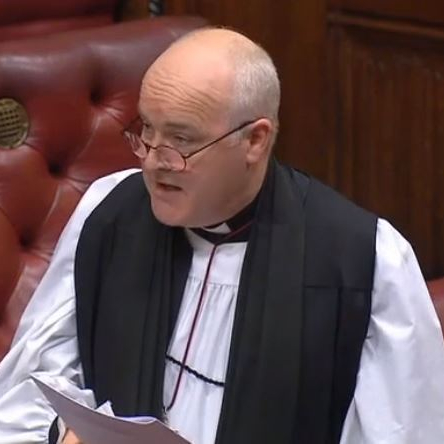 On 9th July 2019 Lord Kennedy of Southwark asked the Government “what is their response to the report by The Children’s Society, Counting Lives: responding to children who are criminally exploited, published on 5 July”. The Bishop of Chelmsford, Rt Revd Stephen Cottrell, asked a follow-up question:

You must be logged in to post a comment.