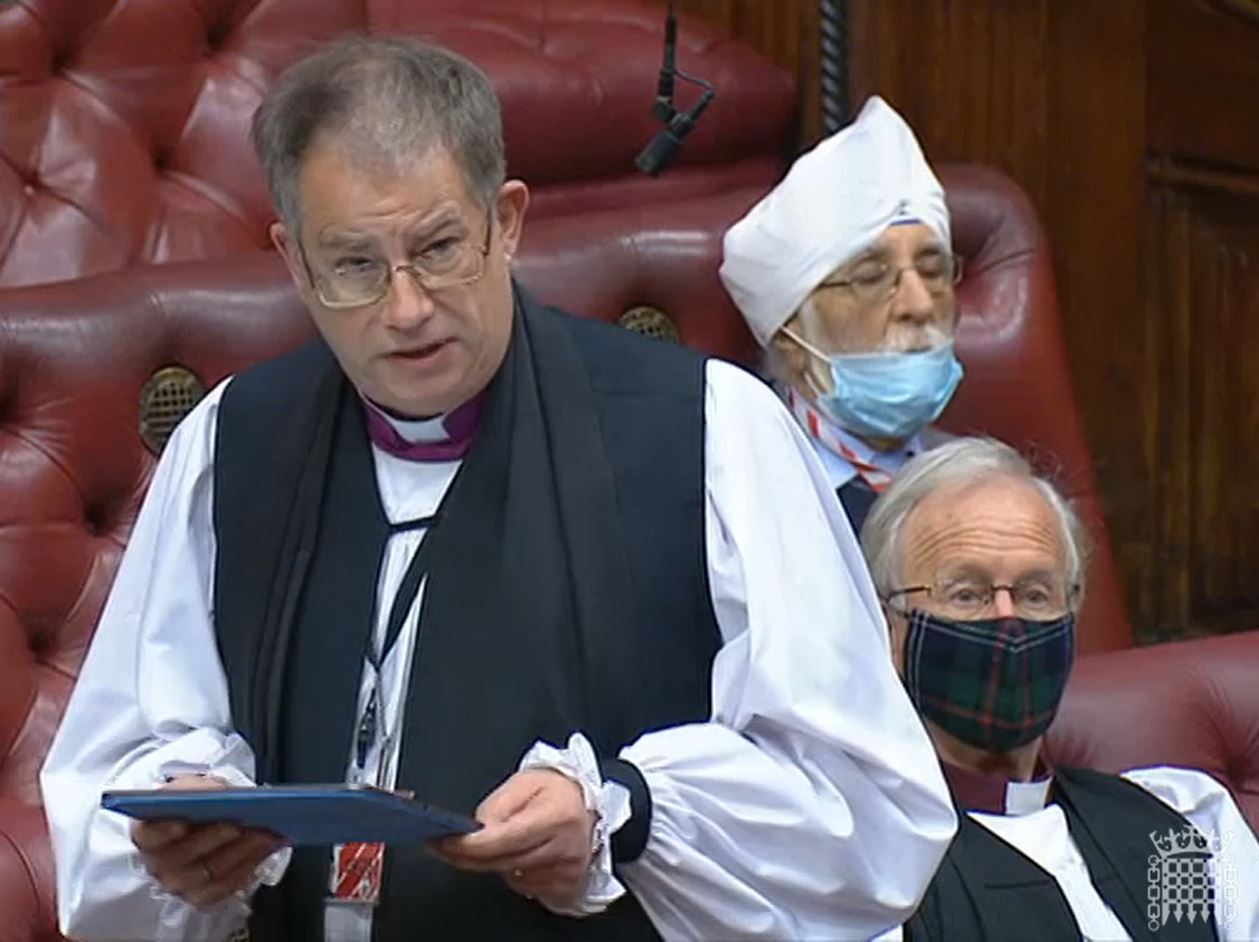
Levelling Up Bill: Bishop of Carlisle speaks on health inqualities

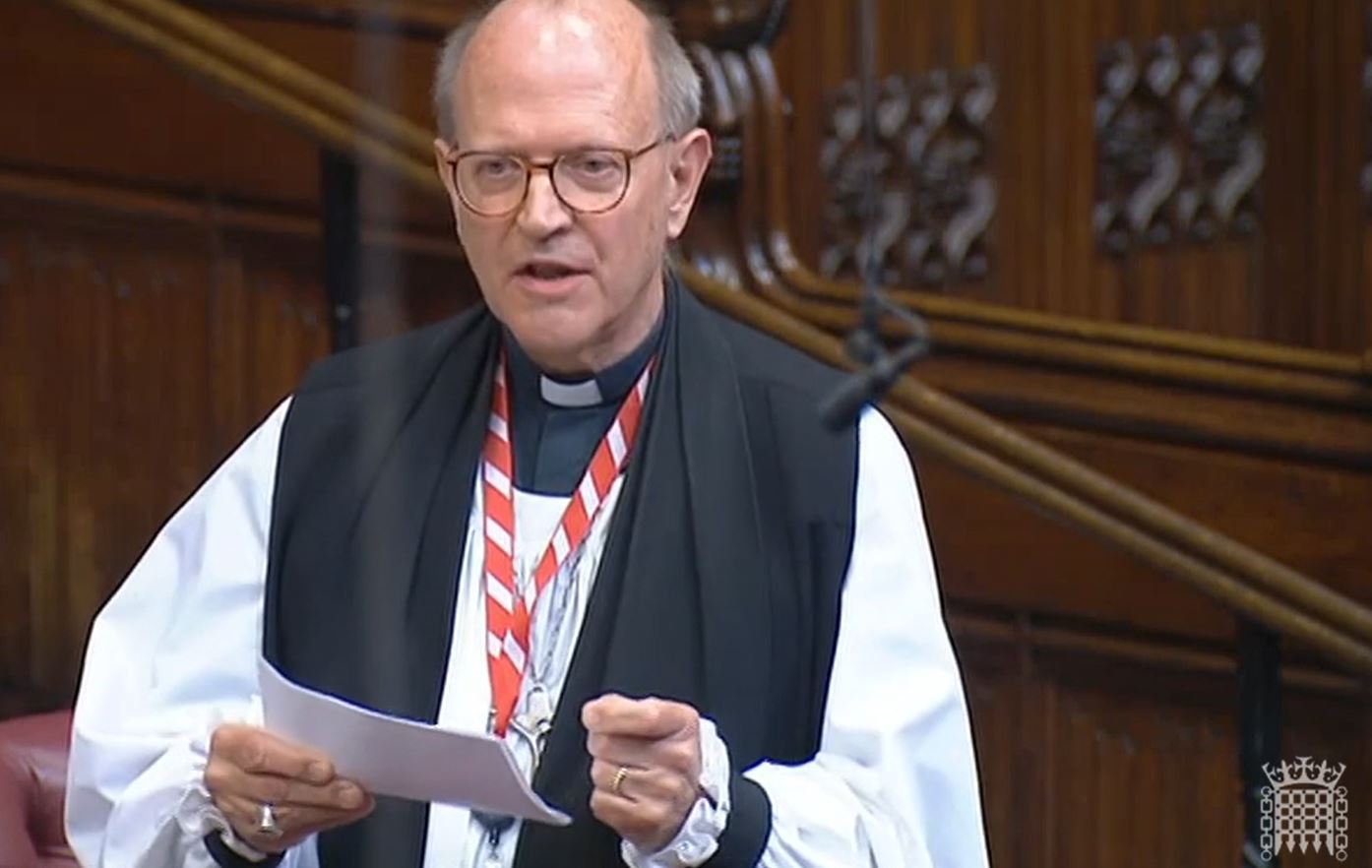
The House of Lords debated the Levelling Up Bill in its second reading on 17th January 2023. The Bishop of Carlisle spoke in the debate, focusing on health inequalities between the North and South of England:

The Lord Bishop of Carlisle: My Lords, in the brief time available, I will address health inequalities between the north of England, where I live, and the south, and their implications for levelling up and regeneration. Health inequalities are defined as avoidable, unfair and systematic differences in health between different groups of people. In 2010, Sir Michael Marmot conducted his celebrated review into such inequalities, in the hope that this might lead to some improvement. Instead, we have seen an increase, rather than a reduction, of such inequalities over the last 12 years. For instance, life expectancy in deprived areas of the north-east is at least five years lower than it is in similar areas here in London. A baby boy born in Blackpool today can expect an additional 17 years of poor health compared with a baby born in Richmond upon Thames. People in all social groups in the north of England, male and female, are consistently less healthy than those in the south, and premature death rates are about 20% higher across all age groups in the north, due not least to lower lifetime chances.

These statistics—there are many more—are a stark reminder that inequalities in health are often closely linked to people’s socioeconomic circumstances. This has been forcefully illustrated by the Covid pandemic, which, in the words of one commentator, exposed “deep fractures of inequality” running across our society. During the first year of the pandemic, the mortality rate was 17% higher in the north than in the south, unemployment was 19% higher and there were significant differences in mental well-being between the north and the south. It is now reckoned that health issues account for about 30% of the gap in productivity between the north and the south.

Continue reading “Levelling Up Bill: Bishop of Carlisle speaks on health inqualities”

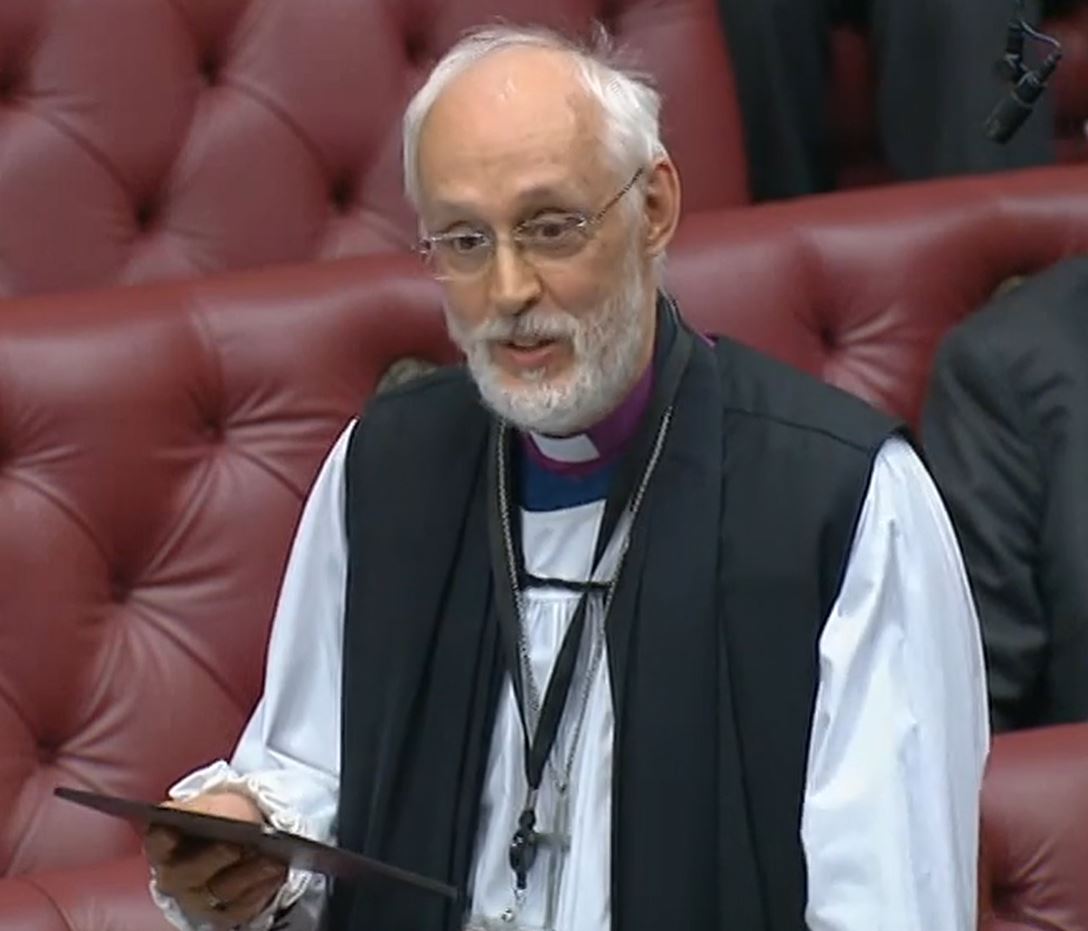
Levelling Up Bill: Bishop of Leeds highlights the importance of transport and education

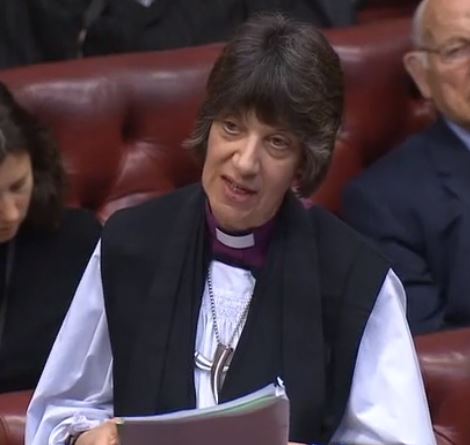
On Tuesday 17th January 2023, the House of Lords debated the Levelling Up Bill in its second reading. The Bishop of Leeds made a speech on the importance of good transport links and amending discrepancies in education:

The Lord Bishop of Leeds: My Lords, I am delighted to follow the noble and right reverend Lord, who has already stolen some of what I was going to say—great minds and all of that, maybe. When I first heard the phrase “levelling up”, I thought, “Here we go again—another slogan in search of substance”. Yet what we have heard today so far is that there is a great deal of potential substance to this Bill. I applaud the motivation and ambition behind it, and the attempt in the 12 missions to have a holistic approach rather than simply to pick off bits of our society. But I do think we need to take seriously, after the honest analysis that we had from the Minister, the argument that it gives the lie to the opening assertion of the White Paper that the UK is an unparalleled success story. If it was, we would not need the detail that we have before us. This sort of language of hubris can very easily militate against us taking seriously the scale of the task.

Continue reading “Levelling Up Bill: Bishop of Leeds highlights the importance of transport and education”

Financial Services and Markets Bill: Bishop of St Albans speaks on cryptocurrency, access to cash, credit unions, and net zero

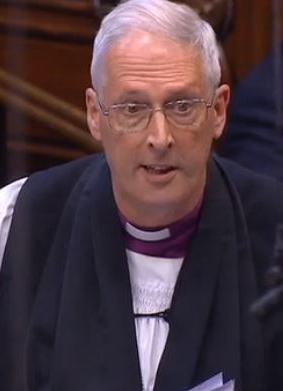
The House of Lords debated the Financial Services and Markets Bill in its second reading on 10th January 2022. The Bishop of St Albans spoke in the debate concerning issues of access and regulation:

The Lord Bishop of St Albans: My Lords, theologians sometimes discuss the personal and social ethics in the teaching of Christ under the three headings of money, sex and power, those three areas which can be the most extraordinary gift and blessing when used rightly and for the common good but which, when they are an end in themselves, can become extraordinarily disruptive. Of these three areas, Christ had most to say about money, as its use reveals our values as individuals and as a society, often in a very stark way. A close reading of this Bill reveals a set of cultural assumptions and values about what is considered important and valuable. There are four areas that I want to highlight and which we need to consider if a growing and vibrant financial sector will work for the common good.

First, on crypto asset regulation, as others have said, we need to act fast both to protect our citizens and so that we do not fall behind the rest of the world. The problem at the moment is that the almost complete lack of regulation means that, for many people, crypto- currencies are just another form of gambling. The recent collapse of FTX has demonstrated the volatility of this market and its vulnerability to fraud. Some have made a fortune, while others have lost their life savings and will now be looking to the state to provide for them. Just as we need a sensible and balanced approach to the regulation of online gambling, so we need sensible, balanced regulation of crypto- currencies. The provision in this Bill to ensure that crypto is treated as a regulated activity and giving the FCA and the PSR the power and, as others have noted, the resources to do their work and to protect customers, is welcome.

Continue reading “Financial Services and Markets Bill: Bishop of St Albans speaks on cryptocurrency, access to cash, credit unions, and net zero”

Financial Services and Markets Bill: Archbishop of Canterbury stresses importance of serving the common good

On 10th January 2023, the House of Lords debated the Financial Services and Markets Bill in it’s second reading. The Archbishop of Canterbury spoke in the debate, highlighting the need for good practice and quality of service in the finance industry:

The Lord Archbishop of Canterbury: My Lords, this year marks the 10th anniversary of the final report of the Parliamentary Commission on Banking Standards, Changing Banking for Good. I declare my interest having served on that commission, and I welcome the presence in this debate of the noble Baroness, Lady Kramer, who also served, as did the current Lord Speaker. I also welcome the maiden speeches of three noble Lords today: the noble Lords, Lord Ashcombe and Lord Remnant, and the noble Baroness, Lady Lawlor.

We need to remember that the extraordinary crisis in 2008—which led to the various commissions, reports and changes in regulations, including the financial services Act 2013, in which the Parliamentary Commission on Banking Standards played a part—caused huge and ongoing crises. While welcoming the Bill very strongly, I join some of the hesitations mentioned by the noble Lords, Lord Hunt, Lord Sharkey and Lord Vaux. It has been estimated that the financial services industry, and particularly the major banks, have an effective subsidy as a result of the implicit government guarantee that they receive, which is worth approximately £30 billion a year. If there is £30 billion a year going spare, many other industries and not a few churches would welcome that very warmly. However, that subsidy, which is at the risk of the taxpayer, as we saw in 2008 and 2009, is what gives the result of the banks having heavy social obligations; we must look carefully at that when the Bill reaches Committee, as has already been said. The issues of inclusion, stability and access at all levels, especially for micro-businesses, are very important, not least for levelling up.

Continue reading “Financial Services and Markets Bill: Archbishop of Canterbury stresses importance of serving the common good”

Public Order Bill: Bishop of Chelmsford speaks in favour of amendments on Serious Disruption Prevention Orders and police powers

On 13th December 2022, the House of Lords debated amendments to the Public Order Bill in the third day of Committee. The Bishop of Chelmsford spoke in support of two sets of amendments to the bill:

  • firstly to amendments tabled by Lord Paddick, with the support of the Bishop of St Albans, which would raise the burden of proof required to impose a serious disruption prevention order on protesters.
  • secondly to amendments tabled by Baroness Chakrabarti and the Bishop of Manchester, which would place a moratorium on extending existing police powers without a parliamentary debate on current recruitment, vetting, and discipline of police officers.
Continue reading “Public Order Bill: Bishop of Chelmsford speaks in favour of amendments on Serious Disruption Prevention Orders and police powers”

Public Order Bill: Bishop of Manchester supports amendments related to access to abortion clinics and to curtailing excessive police powers

On 22nd November 2022, the House of Lords debated the Public Order Bill in the second day of the committee stage. The Bishop of Manchester spoke regarding two sets of amendments: firstly, in support of amendments to Clause 9, pertaining to access issues around abortion providers, and secondly in opposition to clauses remaining in the bill which would grant excessive police powers, particularly regarding the right to protest.

The Lord Bishop of Manchester: I rise to address Amendments 85 to 88, 90 and 92, to which my right reverend friend the Bishop of St Albans has added his name. He regrets that he is unable to be in his place today. I also have sympathy with a number of other amendments in this group.

It is a heated and emotive debate on this clause, and it was heated and emotive when it was added in the other place. The danger is that we get dragged into debates about whether abortion is morally right or wrong. Indeed, I have had plenty of emails over the past few days, as I am sure other noble Lords have, tending in that direction. As it happens, I take the view that the present law on abortion strikes a reasonable balance; in particular, it respects the consciences of women faced, sometimes with very little support, with making deeply difficult decisions.

Continue reading “Public Order Bill: Bishop of Manchester supports amendments related to access to abortion clinics and to curtailing excessive police powers”

House of Lords (Peerage Nominations) Bill: Bishop of St Albans speaks in support of bill

On 18th November 2022, the House of Lords debated the House of Lords (Peerage Nominations) Bill in its second reading. The Bishop of St Albans spoke in support of the bill:

The Lord Bishop of St Albans: My Lords, there have been a number of occasions in recent years when this House has debated its make-up, its processes of nomination and its role. The test of any Bill to reform aspects of the House of Lords is surely whether it will enhance the core functions of this House; namely, to revise, to scrutinise and to ensure that the membership retains significant independence and expertise. A further useful test is whether the proposed changes are simply a response to some current problems or whether they have the potential to enhance the work of the Lords in the long term. It seems to me that, unless we are going to go for something very radical and different, this Bill meets these tests. It is modest in its proposals but I believe it is worthy of support none the less. It comes in a long line of incremental but sensible and pragmatic changes to Lords procedure and practice. I suggest that the history of Lords reform shows that incremental change tends to be the most successful.

Continue reading “House of Lords (Peerage Nominations) Bill: Bishop of St Albans speaks in support of bill”

Public Order Bill: Bishop of Southwell and Nottingham speaks in support of amendment and on access to places of worship

On 16th November 2022, the Lord Bishop of Southwell and Nottingham spoke in support of an amendment to the Public Order Bill on behalf of the Bishop of St Albans, who was a signatory to the amendment. The amendment would provide a definition for the phrase “serious disruption” to the “community” used in the bill:

The Lord Bishop of Southwell and Nottingham: My Lords, in the absence of my right reverend friend the Bishop of St Albans, who is a signatory to Amendment 17 but unable to be present in the Chamber this afternoon, I am pleased to speak in its support, as it provides much- needed clarity to the law. I am also very grateful to the noble Lord, Lord Paddick, for explaining the amendments with such clarity at the beginning of this group.

I will make two main points. First, the Bill, in its present form, fails to provide a definition of what constitutes “serious disruption” to the “community”. I strongly support providing a strict statutory definition of this; it will give clearer guidelines to the police as to what is acceptable, as well as to those wishing to engage in lawful protest, and will provide much-needed democratic oversight to the Bill. Under the current law and the Bill as drafted, there is no clear definition of what disruption to the community means, and it would be subject to the discretion of the police themselves. A lack of clarity is not helpful to either the police or the community. As reported in evidence to the Bill Committee in the other place, many police officers have expressed a desire for clearer statutory guidance, and many are concerned that they will be asked to make decisions on matters which they do not have the confidence to make. If we are to reflect on the consequences of the amendment, we can see that it would mean that protesters would rightly be prevented from disruption to essential services—schools, hospitals or places of worship—but the right to reasonable democratic protest would still be protected.

Continue reading “Public Order Bill: Bishop of Southwell and Nottingham speaks in support of amendment and on access to places of worship”

Public Order Bill: Bishop of St Albans highlights concerns of excessive police powers

On 1st November 2022, the House of Lords debated the Public Order Bill in its second reading. The Bishop of St Albans spoke in the debate, highlighting concerns that the bill would grant excessive powers to the police:

The Lord Bishop of St Albans: My Lords, I think many of us in this debate will have a feeling of déjà vu. No matter how many pieces of legislation come through here granting the police additional powers, it seems that they are never enough. It seems we are always one more public order provision away from solving the problem.

Along with other noble Lords, I want to support the police and the rule of law. We are grateful for all the police do; they stand in our place and, very often, have to take very difficult decisions. But we already have the Public Order Act 1986, which grants the police powers to place restrictions on protests and to prohibit those which threaten to cause serious disruption to public order. We already have the Criminal Justice and Public Order Act 1994, which introduced the offence of aggravated trespass. We have the offence of obstruction of a highway and the Protection from Harassment Act 1997, which allows for civil injunctions to prevent protesters demonstrating in a way which causes harm or harassment. As recently as last year, remarkably extensive powers, including on noisy and disruptive protests, were granted in the Police, Crime, Sentencing and Courts Act 2022.

Continue reading “Public Order Bill: Bishop of St Albans highlights concerns of excessive police powers”

Genocide Determination Bill: Bishop of Exeter speaks in support

On 28th October 2022, the House of Lords debated the Genocide Determination Bill, brought forward by Lord Alton of Liverpool, in its second reading. The Bishop of Exeter spoke in support of the bill:

The Lord Bishop of Exeter: My Lords, I support the Bill and, in company with others, pay warm tribute to the noble Lord, Lord Alton, for his perseverance and passion for justice for the victims of genocide. We are united in this House and on these Benches in our condemnation of what is a manifest evil, that which the Coalition for Genocide Response describes as “the crime of crimes”. My colleague the Bishop of Truro, whom I hope will join us in this House before too long, three years ago published his report on the persecution of Christians, to which the noble Lord, Lord Browne, just referred. Your Lordships will recall that His Majesty’s Government accepted all its recommendations in full. Recommendation 7 asked the Government to:

“Ensure that there are mechanisms in place to facilitate an immediate response to atrocity crimes, including genocide through activities such as setting up early warning mechanisms to identify countries at risk of atrocities, diplomacy to help de-escalate tensions and resolve disputes, and developing support to help with upstream prevention work.”

It is the mechanisms with which we are concerned in the Bill.

Continue reading “Genocide Determination Bill: Bishop of Exeter speaks in support”