On 3rd February 2026, the House of Lords debated the Children’s Wellbeing and Schools Bill. Votes were held on amendments to the bill, in which Bishops took part:

On 3rd February 2026, the House of Lords debated the Children’s Wellbeing and Schools Bill. Votes were held on amendments to the bill, in which Bishops took part:
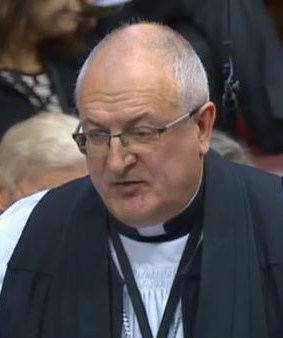
The Bishop of Lincoln tabled a question on facilitating consultation and collaboration with faith-based and voluntary sector organisations to deliver the Our Children, Our Future: Tackling Child Poverty strategy on 3rd February 2026:
The Lord Bishop of Lincoln: To ask His Majesty’s Government what plans they have to facilitate consultation and collaboration with faith-based and voluntary sector organisations to deliver the Our Children, Our Future: Tackling Child Poverty strategy, published on 5 December 2025.
Continue reading “Bishop of Lincoln asks about tackling child poverty”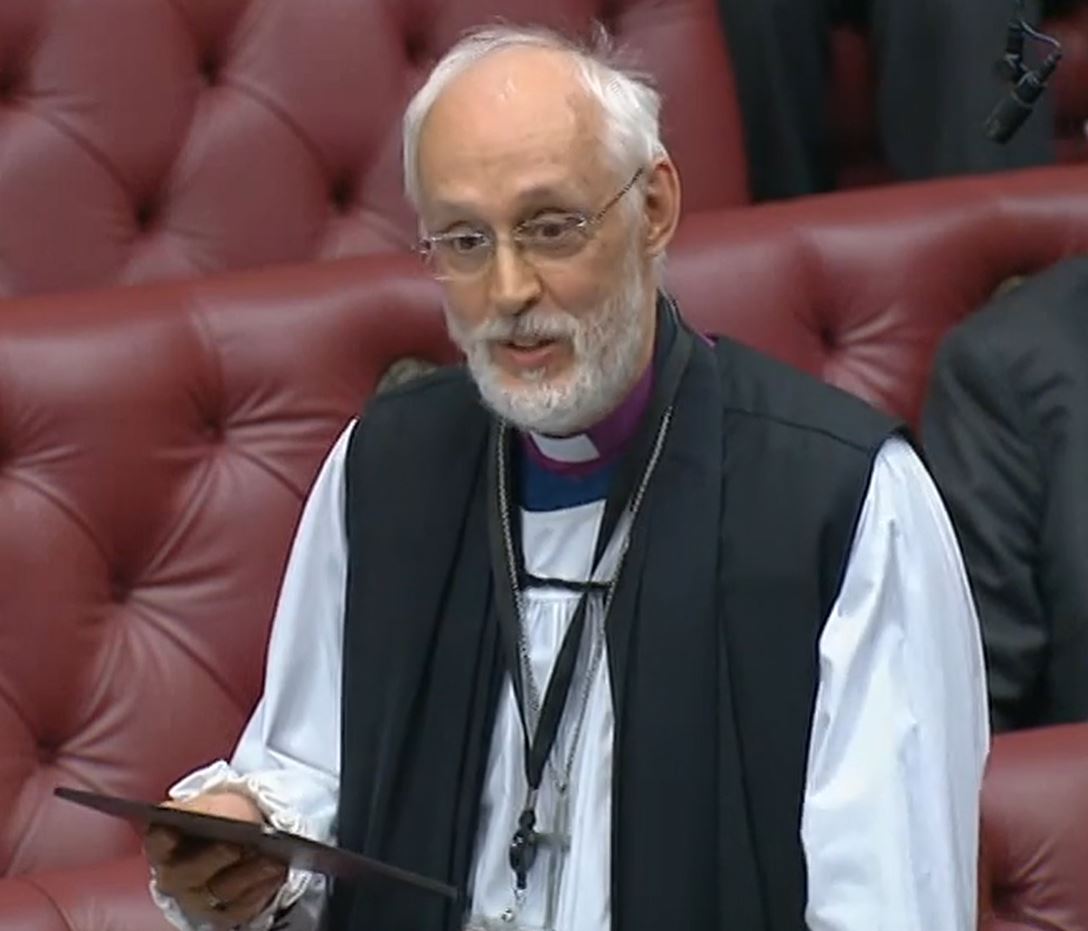
On 3rd February 2026, the Bishop of Manchester joined in tributes paid in the House of Lords to Lord Wallace of Tankerness, who had recently passed away:
The Lord Bishop of Manchester: My Lords, from these Benches, I associate my comments and condolences with those who have previously spoken. Lord Wallace was kind, welcoming and generous to new Bishops joining this House. Both he and his wife Rosie are extraordinary people. He in particular made a significant impact on shaping the very culture and society in Scotland we see today across the whole trinity—if I may use a word dear to him—of law, politics and church. His two main belief systems were indeed the Church and politics. They supported each other, and although, as we have heard, he never served as a minister in the religious sense, he was ordained: he was an elder, and many across Orkney and beyond have reported how pertinent and encouraging his sermons and hominies were.
Continue reading “Bishop of Manchester pays tribute to Lord Wallace of Tankerness”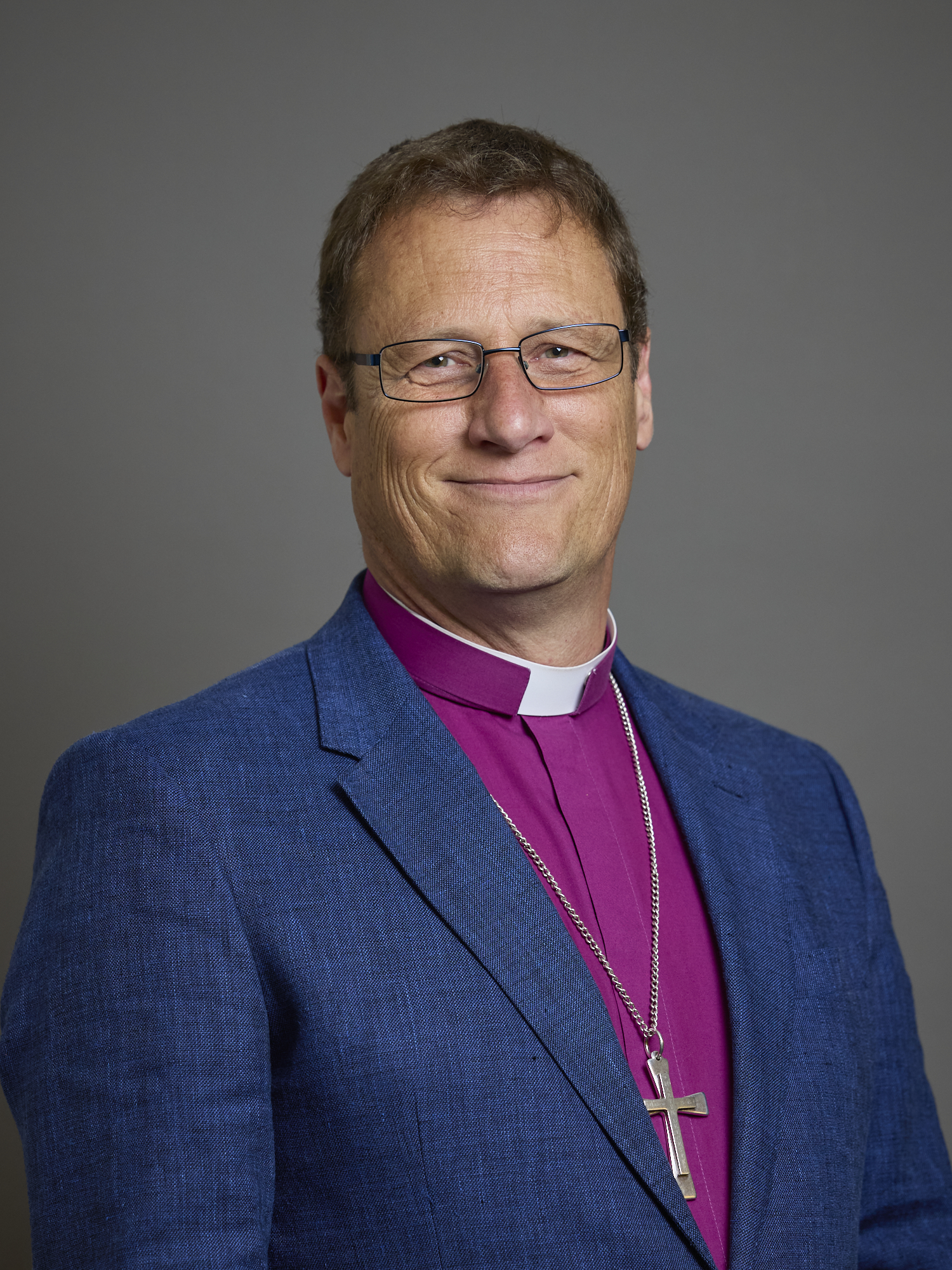
The Bishop of Leicester received the following written answers on 3rd February 2026:
The Lord Bishop of Leicester asked His Majesty’s Government for how long they will remove the right to claim benefits from 18-to-21-year-olds on Universal Credit who do not accept the offer of a work placement through the Youth Guarantee scheme.
Continue reading “Bishop of Leicester asks about employment and social security”
On 2nd February 2026, the Bishop of Lincoln spoke in a debate on amendments relating to the decriminalisation of abortion in the Crime and Policing Bill, highlighting the importance of supporting women and the need for a change in the way police investigations of terminations of pregnancies are carried out, while reiterating opposition to full decriminalisation on the grounds of the sanctity of life:
The Lord Bishop of Lincoln: My Lords, I am one of those old men. I am also a single man, so I have no children of my own, but I am regularly in contact with very young families through baptism. Only last Thursday, I was in hospital in an acute cardiac unit for babies, anointing a two week-old baby who had just had open-heart surgery. So I know quite a lot about babies through a very long ministry. I also offer my thanks to the noble Lord, Lord Winston, for a television series that he oversaw about seeing a pregnancy from conception to delivery some years ago. That series reinforced my conviction about the sanctity of life.
Continue reading “Crime and Policing Bill: Bishop of Lincoln speaks to amendments on decriminalisation of abortion”The Bishop of Manchester asked a question on the importance of ensuring any draft code of practice on single sex spaces reflect compassion, respect, and kindness as well as legal clarity, during a discussion on the EHRC guidance on single-spaces on 2nd February 2026:
The Lord Bishop of Manchester: My Lords, perhaps this is a very obvious question to come from a bishop, but these are matters that affect people’s sense of dignity, their identity, belonging and everyday lives. Can the Minister say how the Government are ensuring that, alongside legal clarity, the approach taken in considering this draft code reflects compassion, respect and kindness towards all those affected, so that the guidance not only supports compliance but will encourage a much-needed culture of mutual understanding?
Continue reading “Bishop of Manchester asks about draft code of practice on single sex spaces”
The Bishop of Manchester took part in tributes to the retiring Lord Speaker, Lord McFall of Alcluith, on 2nd February 2026:
The Lord Bishop of Manchester: My Lords, I add the thanks of our Benches to our former Lord Speaker. We are enormously grateful for the warmth of his welcome to us, which began from the moment we were introduced to the House, and continued each day, as he introduced the duty Bishop leading Prayers. We also warmly welcome the noble Lord, Lord Forsyth, whose enormous gifts have already been attested, and with whom we look forward to working for the effective work and maintenance of the rights and privileges of your Lordships’ House.
Continue reading “Bishop of Manchester joins in tributes to retiring Lord Speaker”
The Bishop of Sheffield received the following written answer on 2nd February 2026:
The Lord Bishop of Sheffield asked His Majesty’s Government, further to the Written Answer by Baroness Smith of Malvern on 16 September 2025 (UIN HL10060), what plans they have to amend the International Education Strategy; and what the anticipated timeline for the publication of a revised strategy is.
Continue reading “Bishop of Sheffield asks about revised International Education Strategy”
The Bishop of Hereford spoke during a committee debate on the Terminally Ill Adults (End of Life) Bill on 30th January 2026, pointing out a distinction between AI tools and artificial intelligence generally in regards to an amendment proposed by Baroness Coffey, which would stipulate that “(4) Artificial intelligence must not be used to carry out any functions in any section or schedule of this Act.”
The Lord Bishop of Hereford: I thank the noble Baroness, Lady Coffey, for raising a very important issue in this amendment. However, I am concerned that, as it stands, as the noble Baroness said, this amendment is too blunt an instrument. It is important that we distinguish between AI tools and the more dangerous artificial general intelligence, or superintelligence. The use of AI in medical diagnostics in patient care is already commonplace. AI tools are currently used to read scans and X-rays and will frequently perform as well as, if not better than, clinicians. To exclude the use of AI altogether might deprive patients who are considering assisted dying of valuable diagnostic assistance and care at a very vulnerable time.
Continue reading “Terminally Ill Adults (End of Life) Bill: Bishop of Hereford highlights importance of nuanced understanding of artificial intelligence”
The Bishop of Newcastle spoke during the committee debate on the Terminally Ill Adults (End of Life) Bill on 30th January 2026, highlighting the lack of adequate safeguards in any online-only process for facilitating assisted dying:
The Lord Bishop of Newcastle: My Lords, taken together, the amendments in this group highlight the importance of contact with people at the hardest time in their lives—a time when we must be most vulnerable, clinically and personally. This must not be a process in which anyone is made to feel rushed or that can be completed entirely online.
Continue reading “Terminally Ill Adults (End of Life) Bill: Bishop of Newcastle points out lack of safeguards in online processes” The Church of England in Parliament
You must be logged in to post a comment.