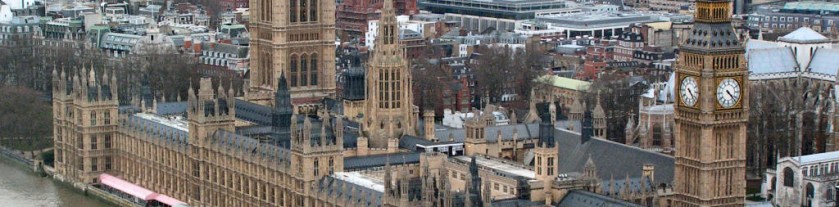
Parliament met this week in Westminster and online. Prayers were read at the start of each sitting day in the House of Lords by the Bishops of Southwark, Carlisle, St Albans and Peterborough.
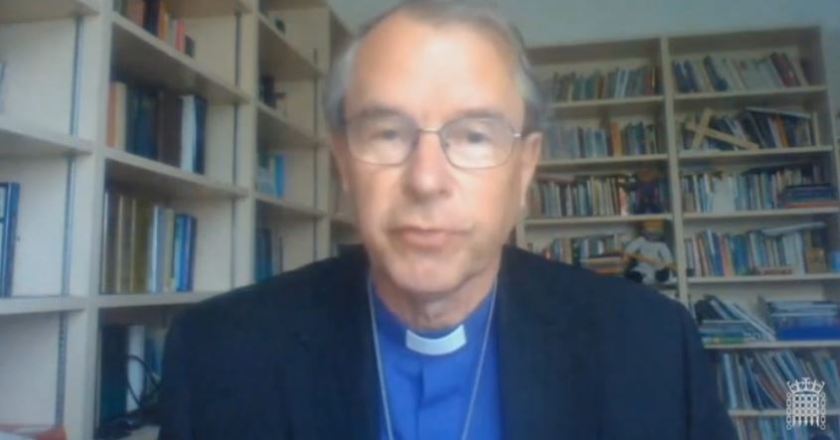
The Bishops of Durham and Southwark supported amendments to the Government’s Immigration Bill, on detention, refugee family reunion, unaccompanied children, and health charges for NHS and social care workers.
The Bishop of St Albans asked questions of Government about the impact of new coronavirus restrictions on Remembrance Sunday events, and about accessible housing for the elderly and those with disabilities.
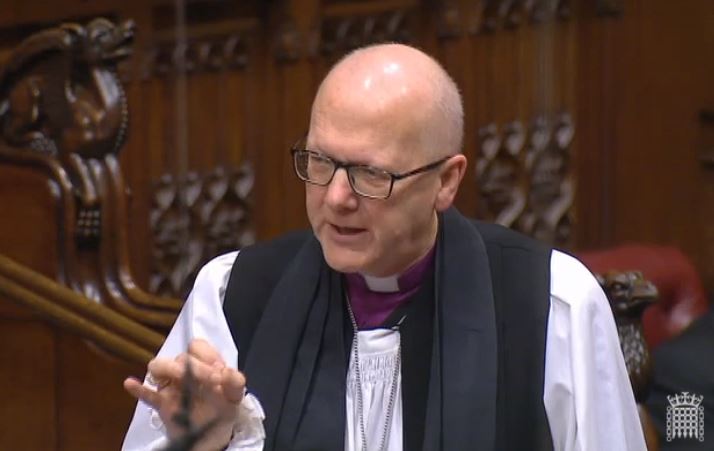 He also proposed amendments to the Government’s Agriculture Bill, on food security and farm payments. Bishops took part in votes on the Bill.
 The Bishop of Southwark asked Government about Chinese policy towards Taiwan.
The Bishop of Carlisle asked a question about tackling health inequalities, and also called on Government to reassure EU and UK citizens about their commitment to the UK’s international treaty obligations.
In the House of Commons MPs the Second Church Estates Commissioner answered written questions from MPs on a wide range of issues: on the church response to COVID-19, Christian persecution, support for cathedrals, wedding guidance, the Sunday congestion charge, ethical investment, St Margaret’s Westminster, South Sudan, church schools, church buildings, lead theft, the Beirut explosion, mental health, and ordinations.

 On 22nd September 2020 the Bishop of Leeds, Rt Revd Nick Baines, received a written answer from Government about support for opposition groups in Belarus:
 The Lord Bishop of Southwark: My Lords, this country has recognised the Government in Beijing as the legitimate authority in China since January 1950, with a very distinctive status, as the Minister has acknowledged, for Taiwan, which should be discussed peacefully between the authorities in Taipei and those on the mainland. I am glad to hear about the Minister’s lobbying in connection with the World Health Organization. Would he care to comment on this pattern of marked aggression by the current Chinese Government, which has sought to limit options for people at home and abroad and is so damaging?
  The Lord Bishop of St Albans: My Lords, can the Minister clarify one or two issues? Does the rule of six mean that it will no longer be possible to have any public marking of Remembrance Sunday outdoors this year? Will he also clarify whether this effectively means that all public protests and demonstrations are now illegal?
  The Lord Bishop of St Albans: My Lords, the latest English housing survey reveals that only 9% of our housing stock has key disability accessibility features. Disability in old age is frequent, and with the ONS estimating that one in four people will be aged 65 or over by 2050 it is vital that we cater for what we are going to need.
 On 16th September 2020 the Second Church Estates Commissioner, Andrew Selous MP, answered a written question from Jim Shannon MP, on the response to coronavirus:

You must be logged in to post a comment.