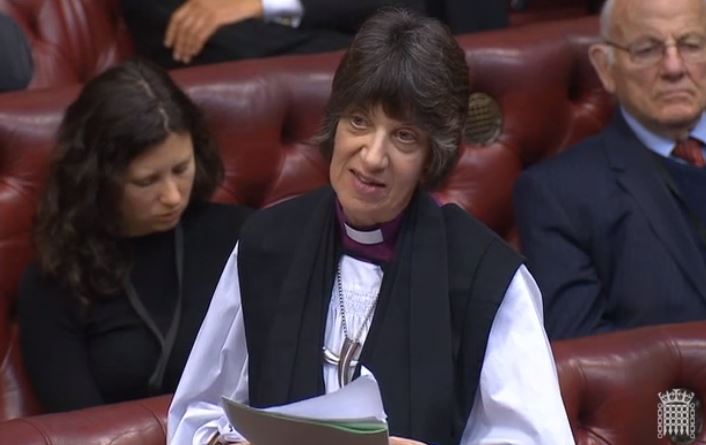
Crime and Policing Bill: Bishop of Lincoln speaks to amendments on decriminalisation of abortion

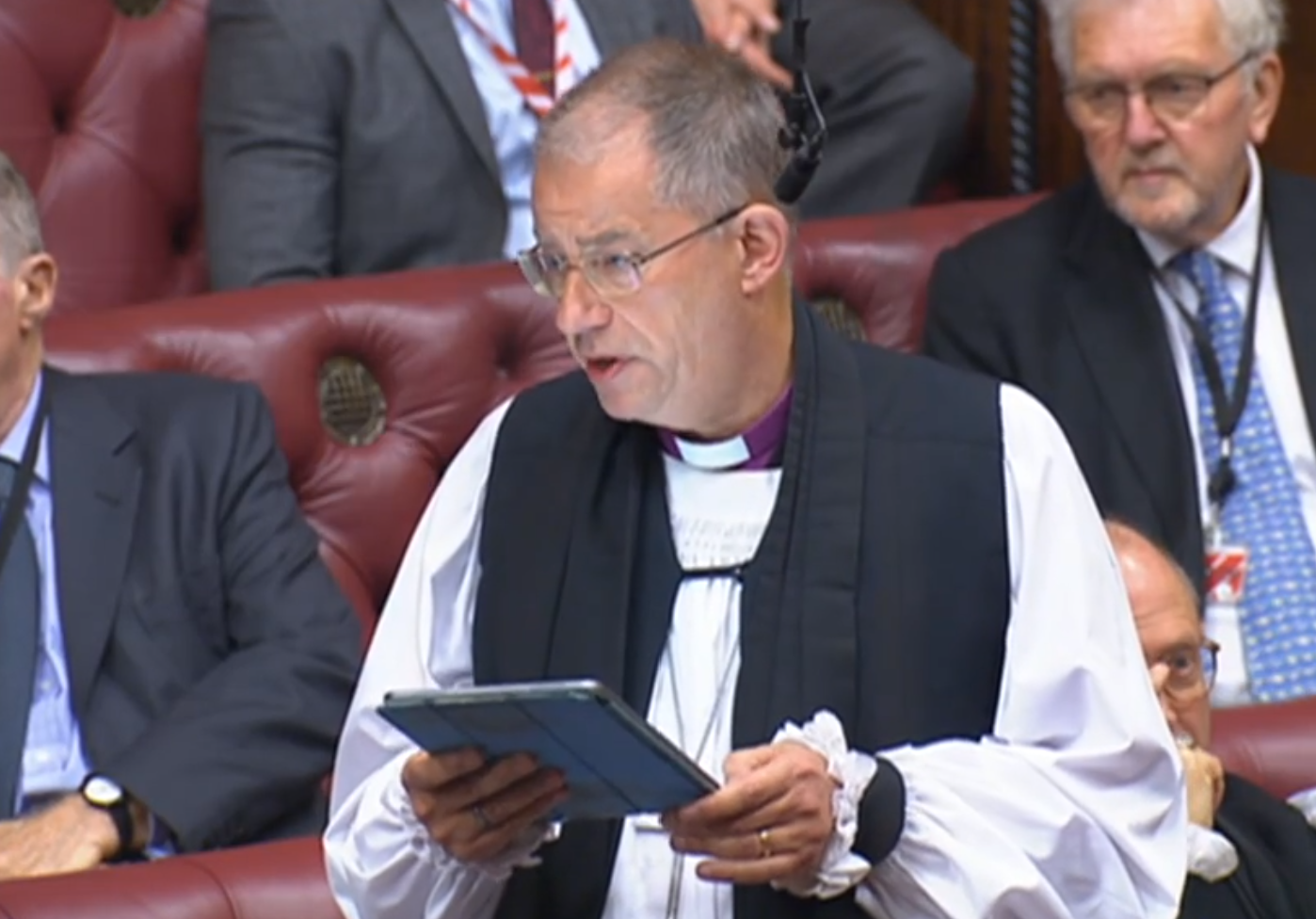
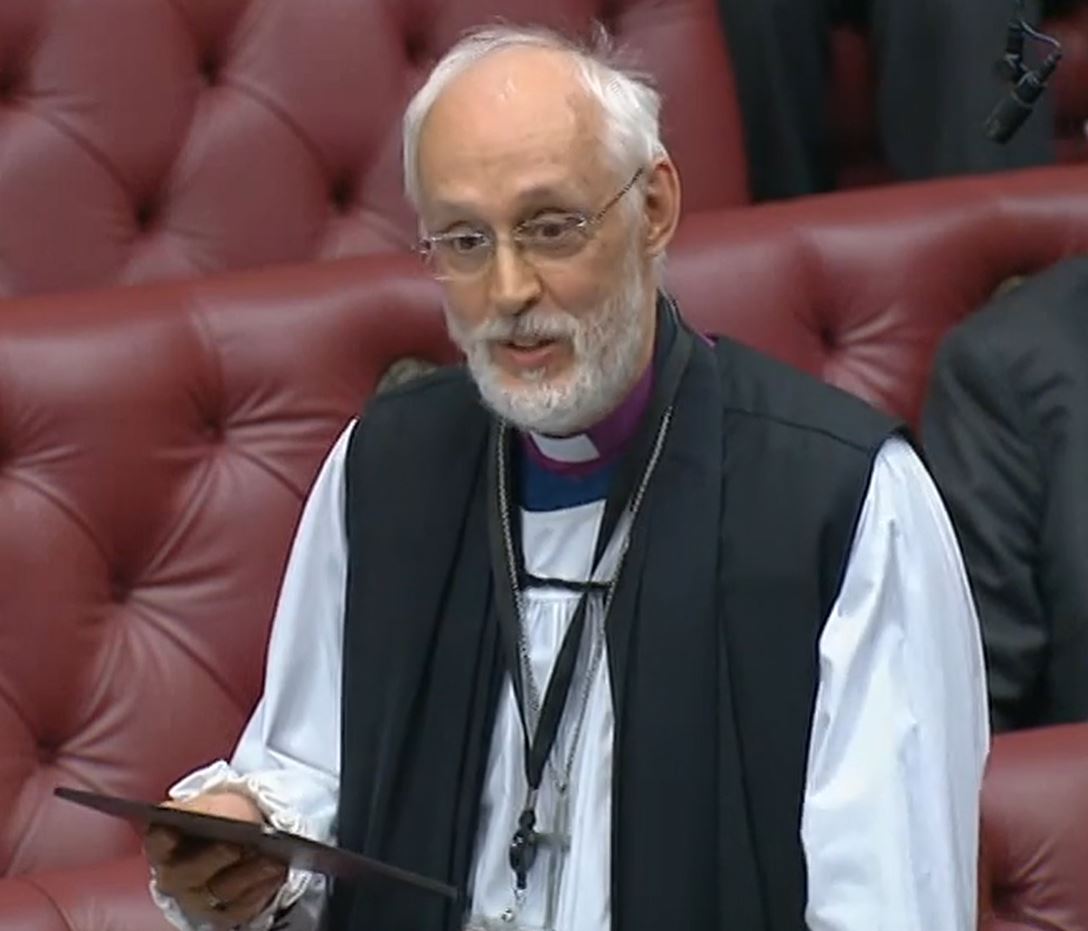
On 2nd February 2026, the Bishop of Lincoln spoke in a debate on amendments relating to the decriminalisation of abortion in the Crime and Policing Bill, highlighting the importance of supporting women and the need for a change in the way police investigations of terminations of pregnancies are carried out, while reiterating opposition to full decriminalisation on the grounds of the sanctity of life:

The Lord Bishop of Lincoln: My Lords, I am one of those old men. I am also a single man, so I have no children of my own, but I am regularly in contact with very young families through baptism. Only last Thursday, I was in hospital in an acute cardiac unit for babies, anointing a two week-old baby who had just had open-heart surgery. So I know quite a lot about babies through a very long ministry. I also offer my thanks to the noble Lord, Lord Winston, for a television series that he oversaw about seeing a pregnancy from conception to delivery some years ago. That series reinforced my conviction about the sanctity of life.

Continue reading “Crime and Policing Bill: Bishop of Lincoln speaks to amendments on decriminalisation of abortion”

Bishop of Manchester joins in tributes to retiring Lord Speaker

The Bishop of Manchester took part in tributes to the retiring Lord Speaker, Lord McFall of Alcluith, on 2nd February 2026:

The Lord Bishop of Manchester: My Lords, I add the thanks of our Benches to our former Lord Speaker. We are enormously grateful for the warmth of his welcome to us, which began from the moment we were introduced to the House, and continued each day, as he introduced the duty Bishop leading Prayers. We also warmly welcome the noble Lord, Lord Forsyth, whose enormous gifts have already been attested, and with whom we look forward to working for the effective work and maintenance of the rights and privileges of your Lordships’ House.

Continue reading “Bishop of Manchester joins in tributes to retiring Lord Speaker”

Terminally Ill Adults (End of Life) Bill: Bishop of Hereford highlights importance of nuanced understanding of artificial intelligence

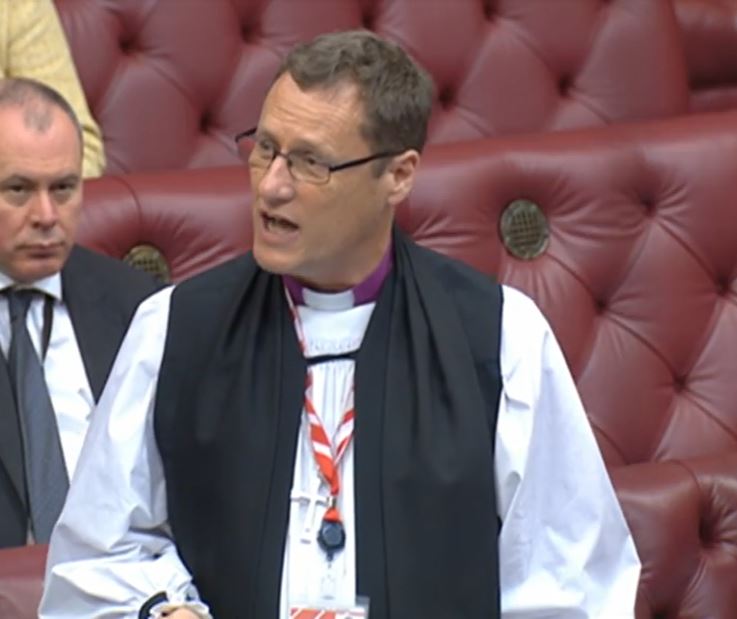
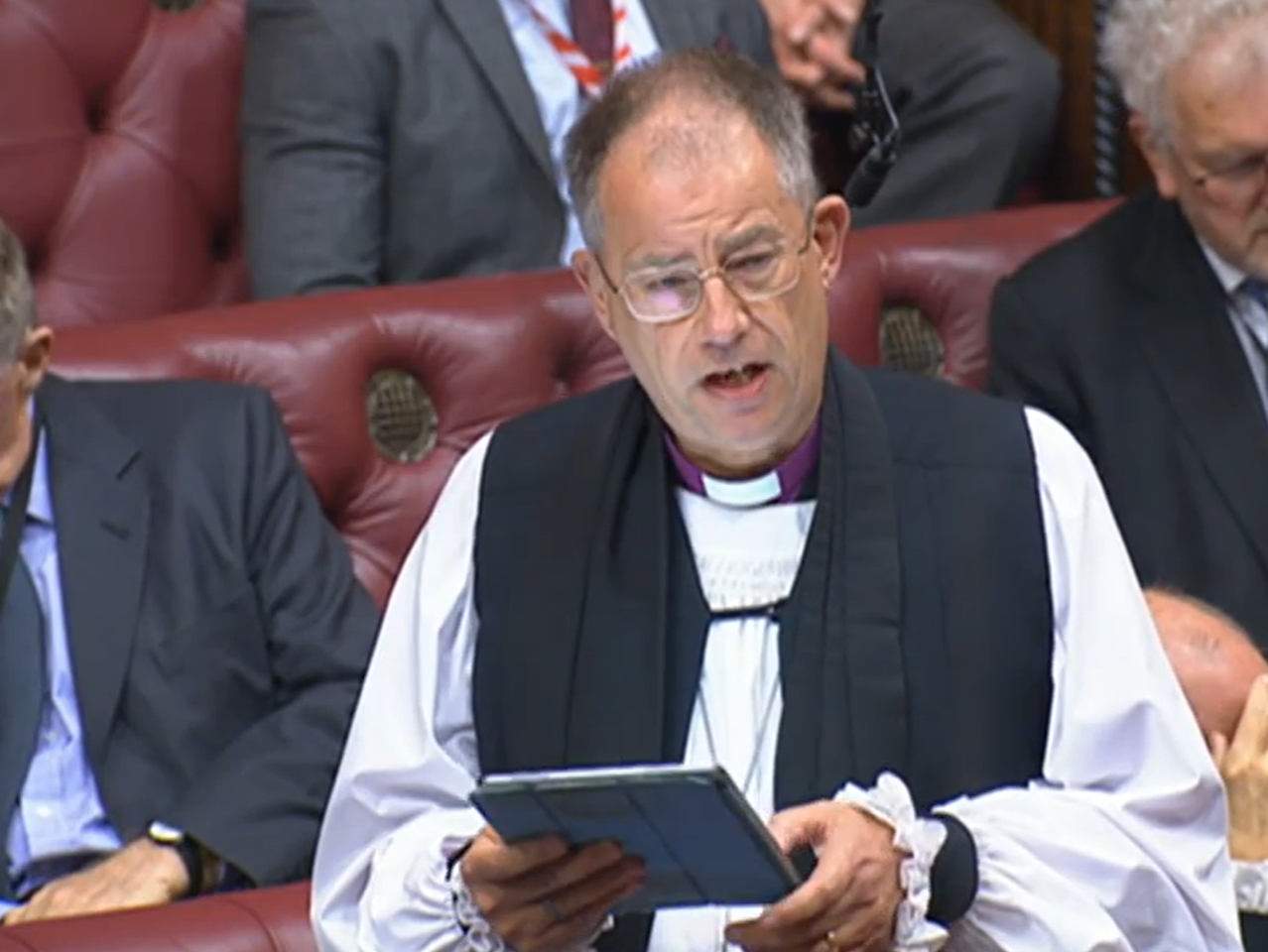
The Bishop of Hereford spoke during a committee debate on the Terminally Ill Adults (End of Life) Bill on 30th January 2026, pointing out a distinction between AI tools and artificial intelligence generally in regards to an amendment proposed by Baroness Coffey, which would stipulate that “(4) Artificial intelligence must not be used to carry out any functions in any section or schedule of this Act.”

The Lord Bishop of Hereford: I thank the noble Baroness, Lady Coffey, for raising a very important issue in this amendment. However, I am concerned that, as it stands, as the noble Baroness said, this amendment is too blunt an instrument. It is important that we distinguish between AI tools and the more dangerous artificial general intelligence, or superintelligence. The use of AI in medical diagnostics in patient care is already commonplace. AI tools are currently used to read scans and X-rays and will frequently perform as well as, if not better than, clinicians. To exclude the use of AI altogether might deprive patients who are considering assisted dying of valuable diagnostic assistance and care at a very vulnerable time.

Continue reading “Terminally Ill Adults (End of Life) Bill: Bishop of Hereford highlights importance of nuanced understanding of artificial intelligence”

Terminally Ill Adults (End of Life) Bill: Bishop of Newcastle points out lack of safeguards in online processes

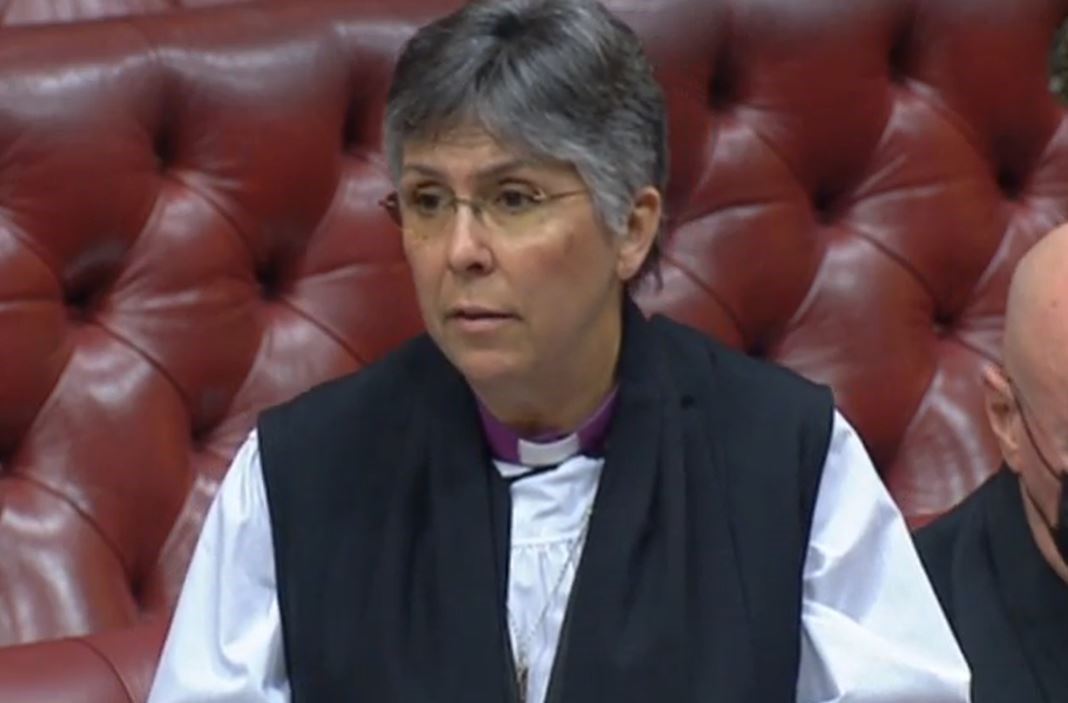
The Bishop of Newcastle spoke during the committee debate on the Terminally Ill Adults (End of Life) Bill on 30th January 2026, highlighting the lack of adequate safeguards in any online-only process for facilitating assisted dying:

The Lord Bishop of Newcastle: My Lords, taken together, the amendments in this group highlight the importance of contact with people at the hardest time in their lives—a time when we must be most vulnerable, clinically and personally. This must not be a process in which anyone is made to feel rushed or that can be completed entirely online.

Continue reading “Terminally Ill Adults (End of Life) Bill: Bishop of Newcastle points out lack of safeguards in online processes”

Terminally Ill Adults (End of Life) Bill: Bishop of Southwark calls for royal commission on dying well

The Bishop of Southwark spoke following a government statement preceding the committee debate on the bill, asking that, should the bill fall, a royal commission on dying well be considered:

The Lord Bishop of Southwark: My Lords, I too wish to speak in good faith. That is what all our Committee consideration has been about, in almost every speech I have heard and listened to—and I have made an effort to attend a good number of sittings. I am very grateful to the Government Chief Whip for what he has said. I am also very grateful to the noble and learned Lord, Lord Falconer, for saying on the “Today” programme that he now anticipates that the Bill will fall. So my question is: if and when it does, please will the need for a royal commission on dying well be factored into consideration?

Hansard

Bishop of Hereford speaks in debate on establishing moratorium on super-intelligent AI

The Bishop of Hereford spoke in a debate on proposals for an international moratorium on the development of superintelligent AI on 29th January 2026, highlighting the importance of tempering “intelligence” with love and human collaboration, and urging the government to support a moratorium:

The Lord Bishop of Hereford: My Lords, it is appropriate that this debate happens the day after the Church celebrated the life and work of the great divine Thomas Aquinas, one of the founding intellectual fathers of western thought, because this debate cuts to the very heart of how we understand ourselves.

Our debate is about the regulation of superintelligence. We know that intelligence is simply

“the ability to learn, understand and think in a logical way about things; the ability to do this well”.

Continue reading “Bishop of Hereford speaks in debate on establishing moratorium on super-intelligent AI”

Children’s Wellbeing and Schools Bill: Bishop of Portsmouth speaks to amendments on schools with a religious character

The Bishop of Portsmouth spoke to amendments to the Children’s Wellbeing and Schools Bill regarding impacts on schools with religious designations on 28th January 2026, particularly in the case of multi-academy trusts and lines of communication between religious bodies and their schools:

The Lord Bishop of Portsmouth: My Lords, I will speak to Amendments 193A, 193B and 193C and declare my interest as chair of the National Society for Education. I thank the noble Baroness, Lady Ritchie, for her support of Amendments 193A and 193B. I will address these two first and together.

These two amendments are about good communication. They would require the chief inspector to include the relevant religious body along with the academy proprietor and the Secretary of State when a report is circulated at the conclusion of an inspection of a multi-academy trust that contains a school with a religious foundation. For example, in the case of the Church of England, the relevant body would be the Diocesan Board of Education.

Continue reading “Children’s Wellbeing and Schools Bill: Bishop of Portsmouth speaks to amendments on schools with a religious character”

Children’s Wellbeing and Schools Bill: Bishop of Manchester moves amendment on religious education

On 28th January 2026, the Bishop of Manchester spoke in a debate on the Children’s Wellbeing and Schools Bill regarding regulation of home education, and moved his own amendment on mitigation “of adverse impact on institutions providing religious instruction, but not wider or general education, as identified in the Equality Impact Statement.”

The Lord Bishop of Manchester: My Lords, I will be very brief. It is an old, apparently African, adage that it takes a village to raise a child, but it is no less true for that. What that captures in a few words is that raising a child is a balance: a partnership between the parents on the one hand and the wider community on the other. I think that is what we are trying to get at in this group of amendments: what are the appropriate powers for the state to have and what should be simply left to parents?

Continue reading “Children’s Wellbeing and Schools Bill: Bishop of Manchester moves amendment on religious education”

Bishop of Coventry makes maiden speech in debate marking the eve of Holocaust Memorial Day

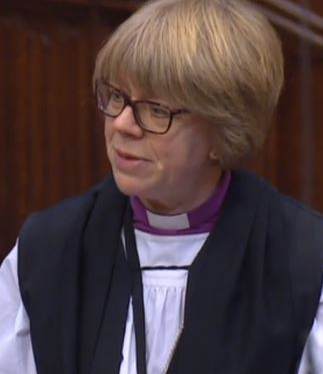
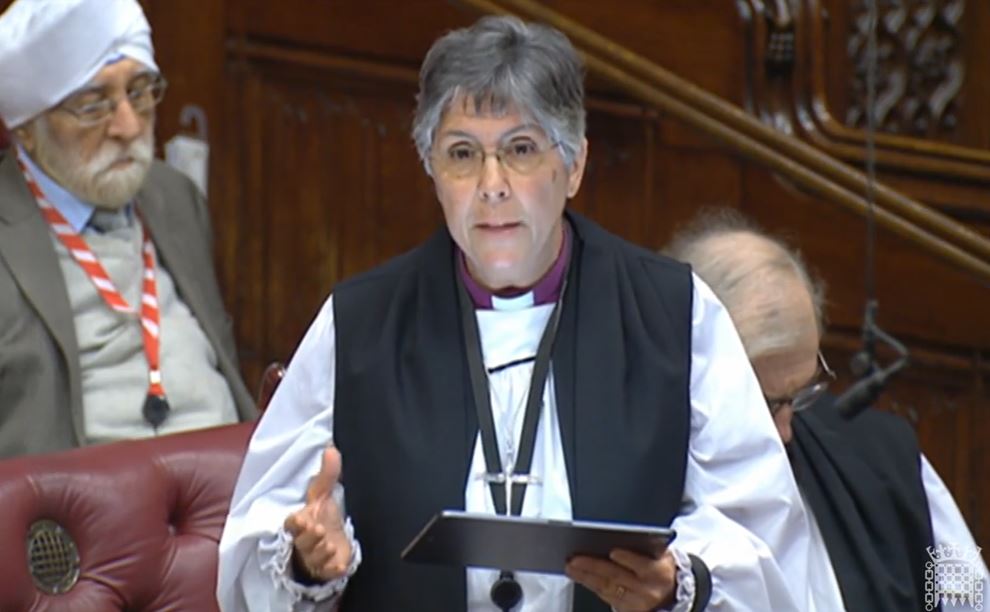
On 26th January 2026, the Bishop of Coventry made her maiden speech in a debate marking Holocaust Memorial Day, remarking on Coventry Cathedral’s role as a centre of peace and reconciliation, and emphasising the importance of combatting antisemitism in all walks of life:

The Lord Bishop of Coventry: My Lords, it is my privilege to make my maiden speech in this debate on the eve of Holocaust Memorial Day. First, I express my gratitude for the kindness that I have received from your Lordships on entering this House, and especially for the support, patience and care of the staff across the departments since my appointment to Coventry.

Being of Jewish heritage myself, I cannot recall a time when I was not aware of the Holocaust. I am grateful that this was a part of our family history that was never kept from me but held as a marker of an inhumane world, from which I was charged to do all I could to make the world a better place. Since then, I have served in Yorkshire, Uganda, Surrey, Sussex, Durham and now Coventry. I have a deep love of singing, especially the high notes, and running, unimpressively, and a nice glass of Sauvignon. Coming to Christian faith through youth ministry, I think I am now qualified to say, at the risk of current cliché, that I am and have pretty much always been a faithful.

I will focus my contribution on the importance of educating our children and young people in their religious understanding of the world, as I was, having been among the first cohort of children to journey through the GCSE curriculum, with an outstanding religious studies teacher whose support remarkably continues to this day. He ensured our introduction as teenagers to Judaism, Christianity and Islam without prejudice or favour. From this firm foundation I was privileged to have the opportunity to study Judaism as part of my first degree, with a special interest in the literature generated by the Holocaust.

Continue reading “Bishop of Coventry makes maiden speech in debate marking the eve of Holocaust Memorial Day”

Terminally Ill Adults (End of Life) Bill: Bishop of Newcastle raises issue of eligibility criteria comparisons

The Bishop of Newcastle spoke during a debate on the Terminally Ill Adults (End of Life) Bill on 23rd January 2026, pointing out the differences between the proposed eligibility criteria in the bill and the criteria used in Australia, in response to an earlier comparison of the two:

The Lord Bishop of Newcastle: My Lords, in his opening remarks, the noble Lord, Lord Birt, cited Australia. I am sure that he is aware that no Australian jurisdiction is recognised as one of the 10 comparable jurisdictions in the Bill’s eligibility criteria and the Government’s impact assessment. The most comparable are New Zealand and the United States. This discussion was resolved in our Select Committee by receiving evidence from New Zealand. We need to be consistent and mindful of the Government’s impact assessment and ensure that our comments align with it.

Hansard